
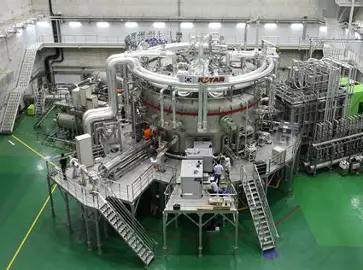
Japan’s Nuclear Reactor Construction Market is witnessing renewed momentum as the country strengthens energy security and reduces reliance on imported fossil fuels. Japan maintains approximately 33 GW of installed nuclear power capacity across 36 operable reactors, while nuclear energy is expected to play a larger role in achieving the country’s carbon neutrality target. As the world’s third-largest economy, Japan consumes over 900 TWh of electricity annually, with demand rising from semiconductor manufacturing, advanced electronics production, AI infrastructure, and data centers. Government support for reactor life extensions, next-generation reactor technologies, and Small Modular Reactors (SMRs) is creating significant opportunities for reactor construction, engineering services, and nuclear supply chain development, positioning nuclear energy as a critical pillar of Japan’s future low-carbon energy mix.
Key Market Drivers for Japan’s Nuclear Reactor Construction Market
Energy Security Concerns Accelerate Nuclear Development
Japan imports the majority of its fossil fuel requirements, making energy security a critical national priority. Following recent global energy market volatility, the country has intensified efforts to expand reliable domestic electricity generation sources. Nuclear power provides stable baseload electricity with capacity factors exceeding 90%, supporting long-term energy stability while reducing exposure to fuel import risks. The government’s updated energy strategy envisions a greater role for nuclear power alongside renewable energy sources.
Semiconductor Manufacturing and Digital Infrastructure Drive Electricity Demand
Japan remains a global leader in semiconductor materials, advanced electronics, precision manufacturing, and industrial production. Growing investments in semiconductor fabrication plants, artificial intelligence infrastructure, cloud computing facilities, and advanced manufacturing operations are increasing electricity demand across the country. These energy-intensive sectors require uninterrupted power supply, strengthening the business case for new nuclear generation capacity and reactor construction projects.
Advanced Reactor Technologies Create Long-Term Opportunities
Japan is actively supporting the development of next-generation nuclear technologies, including advanced reactors and Small Modular Reactors (SMRs). These technologies are expected to offer improved safety, operational efficiency, and deployment flexibility. Growing interest in advanced reactors for supporting hydrogen production, industrial decarbonization, and regional power supply is expected to create additional opportunities within the reactor construction market.
Government Initiatives Supporting Japan’s Nuclear Reactor Construction Market
The Japanese government continues to support nuclear energy as part of its long-term energy security and decarbonization strategy. Under its updated energy policy framework, Japan aims to increase the contribution of nuclear power within the national electricity mix while simultaneously expanding renewable energy generation. The government is supporting reactor life-extension programs, next-generation reactor development, grid modernization investments, and research into advanced nuclear technologies. In addition, Japan’s commitment to achieving carbon neutrality by 2050 is reinforcing the strategic importance of nuclear power within the country’s future energy portfolio.
Competitive Landscape of Japan’s Nuclear Reactor Construction Market
Japan’s Nuclear Reactor Construction Market benefits from decades of nuclear engineering expertise, advanced manufacturing capabilities, and a highly skilled technical workforce. Competition is increasingly focused on reactor safety enhancements, advanced engineering solutions, digital plant management systems, modular construction techniques, and next-generation reactor designs. Growing investment in reactor modernization, safety upgrades, and advanced nuclear technologies is encouraging market participants to strengthen engineering capabilities and supply chain resilience while supporting future reactor deployment programs.
Major Challenges Facing Japan’s Nuclear Reactor Construction Market
Regulatory and Public Acceptance Challenges
Nuclear projects in Japan are subject to stringent regulatory requirements and extensive safety reviews. Securing approvals for new facilities and maintaining public confidence remain important considerations for future reactor development.
High Capital Costs and Long Development Timelines
Nuclear reactor construction requires substantial financial investment, complex project management, and long approval timelines. Managing project economics while meeting strict safety standards remains a key challenge for industry stakeholders.
Future Outlook
Japan’s Nuclear Reactor Construction Market is expected to witness steady growth through 2035 as the country strengthens its energy security strategy and pursues carbon-neutral electricity generation. With approximately 33 GW of installed nuclear capacity, increasing electricity demand from high-tech industries, and continued government support for nuclear energy, the market is expected to benefit from reactor modernization programs and future new-build opportunities. Growing investments in advanced reactor technologies, SMRs, hydrogen production, and industrial electrification are likely to create additional demand for nuclear infrastructure. Companies investing in advanced nuclear engineering, modular construction techniques, and localized supply chain capabilities will be well-positioned to capitalize on Japan’s evolving nuclear energy landscape.
Consultants at Nexdigm, in their latest publication “Japan Nuclear Reactor Construction Market Outlook to 2035,” analyse the sector By Reactor Technology Type (BWR-5 Standard Design, ABWR Advanced Design and ESBWR Evolutionary Design), By Project Phase (New Construction and Safety Upgrade Retrofitting) and By Regional Geography (Hokkaido Region, Tohoku Region and Kanto Region).
Nexdigm suggests that businesses in Japan’s Nuclear Reactor Construction Industry prioritize advanced reactor engineering, Small Modular Reactor (SMR) technologies, digital plant management systems, and domestic nuclear supply chain development strategies to capitalize on the country’s 33 GW+ nuclear capacity, growing energy security requirements, expanding high-tech manufacturing sector, and increasing focus on reliable low-carbon baseload power generation.
To take the next step, simply visit our Request a Consultation page and share your requirements with us.
Harsh Mittal
+91-8422857704