
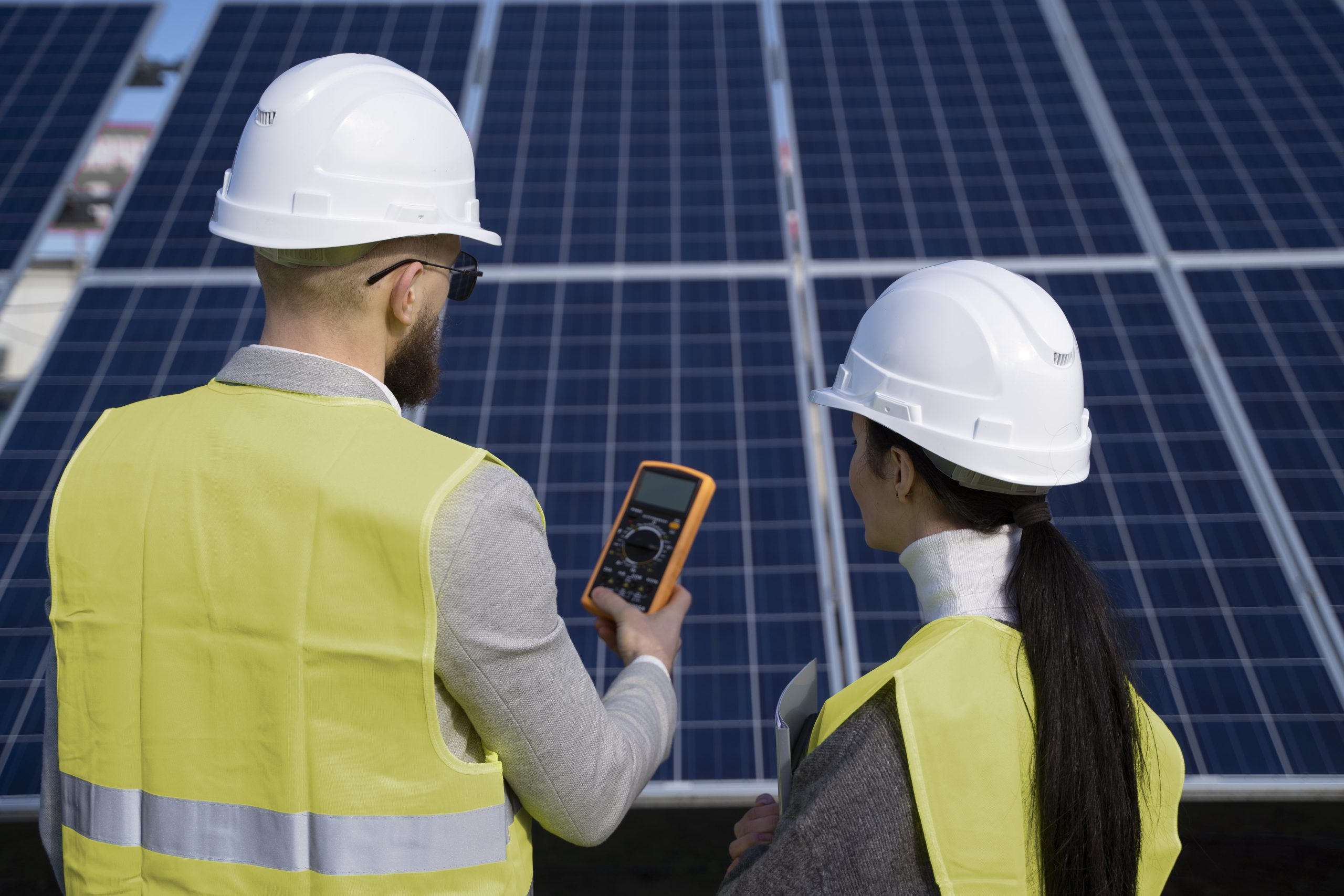
Japan’s solar photovoltaic (PV) testing equipment market is gaining importance as the country accelerates its transition towards clean energy and strengthens its renewable power infrastructure. Growing solar installations, rising quality expectations, and technological advancements in photovoltaic modules are creating demand for reliable testing and inspection solutions. Equipment such as solar simulators, I-V curve tracers, insulation testers, and environmental testing systems plays a crucial role in ensuring panel efficiency, safety, and durability. Looking towards 2035, the market is expected to benefit from technological innovation, stricter quality requirements, and continued investments in solar energy.
Key Market Drivers Supporting the Growth of Japan’s Solar PV Testing Equipment Industry
Increasing Solar Energy Installations and Renewable Energy Investments
Japan’s continued investment in renewable energy is creating opportunities for solar PV testing equipment manufacturers. The country is focusing on expanding rooftop solar installations, commercial solar projects, and utility-scale photovoltaic systems. As solar capacity increases, the need for accurate testing during manufacturing, installation, and maintenance becomes more important. Testing equipment helps operators identify performance issues, minimize power losses, and ensure consistent electricity generation. The growing adoption of corporate power purchase agreements (PPAs) is also encouraging businesses to invest in reliable solar infrastructure.
Growing Demand for High-Efficiency Solar Technologies
The development of advanced photovoltaic technologies, including TOPCon, heterojunction (HJT), and perovskite-based solar cells, is increasing the need for sophisticated testing solutions. Manufacturers require specialized equipment to evaluate conversion efficiency, temperature performance, degradation rates, and electrical characteristics. Additionally, the adoption of bifacial and lightweight flexible solar modules is creating demand for advanced testing capabilities. These developments are encouraging testing laboratories and manufacturers to upgrade their existing equipment to meet evolving performance requirements.
Rising Focus on Solar Panel Quality, Safety, and Reliability
Japan’s exposure to typhoons, heavy rainfall, humidity, and seismic activity makes solar panel durability particularly important. Project developers and equipment manufacturers increasingly rely on environmental chambers, mechanical load testers, insulation testers, and electroluminescence inspection systems to assess module reliability. International standards such as IEC 61215 and IEC 61730 further strengthen the importance of performance qualification and electrical safety testing. Consequently, demand is shifting towards automated, high-precision testing equipment that can deliver consistent results and reduce inspection time.
Government Support and Renewable Energy Initiatives Strengthening Industry Development
The Japanese government continues to support renewable energy deployment through its Green Transformation (GX) strategy and Feed-in Tariff (FIT) and Feed-in-Premium (FIP) mechanisms. The country’s Seventh Strategic Energy Plan, approved in February 2025, reinforces the importance of renewable energy in its future electricity mix. Government initiatives promoting rooftop solar adoption, domestic clean-energy technologies, and improved solar project compliance are indirectly supporting demand for reliable testing and certification equipment.
Competitive Landscape and Key Industry Participants in Japan
Japan’s solar PV testing equipment market features domestic electrical measurement specialists alongside international testing and certification companies. Companies such as HIOKI, Advantest, TÜV SÜD, and UL Solutions participate in relevant measurement, testing, or certification segments. Competition increasingly revolves around measurement accuracy, automation, equipment reliability, and after-sales support. Companies offering advanced testing capabilities and solutions aligned with international standards are likely to strengthen their market positions.
Market Challenges Affecting Japan’s Solar PV Testing Equipment Industry
High Equipment Costs and Investment Requirements
Advanced solar PV testing systems require significant initial investment, particularly for specialized environmental chambers, solar simulators, and automated inspection equipment. These costs can discourage smaller manufacturers and independent testing laboratories from upgrading their facilities.
Technical Complexity and Evolving Standards
Rapid developments in photovoltaic technologies require continuous equipment upgrades, calibration, and technical expertise. Testing providers must also adapt to changing IEC and JIS standards, increasing operational expenses and creating challenges for smaller market participants.
Future Outlook
Japan’s solar PV testing equipment market is expected to witness steady development through 2035, supported by renewable energy expansion, advanced photovoltaic technologies, and increasing emphasis on module reliability. Demand for automated testing systems, AI-enabled inspection solutions, electroluminescence imaging, and high-precision performance measurement equipment is likely to increase. Additionally, the growing adoption of bifacial, flexible, and next-generation solar modules will create opportunities for specialized testing technologies. Equipment manufacturers that prioritize innovation, accuracy, and localized technical support will be better positioned to capture emerging opportunities. Overall, quality assurance and advanced testing capabilities will remain central to Japan’s evolving solar energy ecosystem.
Consultants at Nexdigm, in their latest publication “Japan Solar PV Testing Equipment Market Outlook to 2035,” analyze the sector by Equipment Technology Type (I-V Curve Tracers, Safety and Insulation Testers, Power Quality Analyzers, Thermal Imaging Diagnostics), By Voltage Rating Class (Low Voltage Residential Systems, Medium Voltage Commercial Arrays, High Voltage Utility Megawatt Parks), and By Automation Level (Manual Handheld Field Instruments, Semi-Automated Data Logging Kits, Fully Autonomous Drone Inspection Systems).
Nexdigm suggests that businesses should focus on developing advanced, automated, and standards-compliant solar PV testing solutions while strengthening partnerships with Japanese manufacturers, EPC contractors, and certification laboratories. Investing in AI-enabled inspection, next-generation module testing, and localized calibration and after-sales services can help businesses address evolving quality requirements, improve market penetration, and capitalize on emerging opportunities in Japan’s solar energy sector.
To take the next step, simply visit our Request a Consultation page and share your requirements with us.
Harsh Mittal
+91-8422857704