
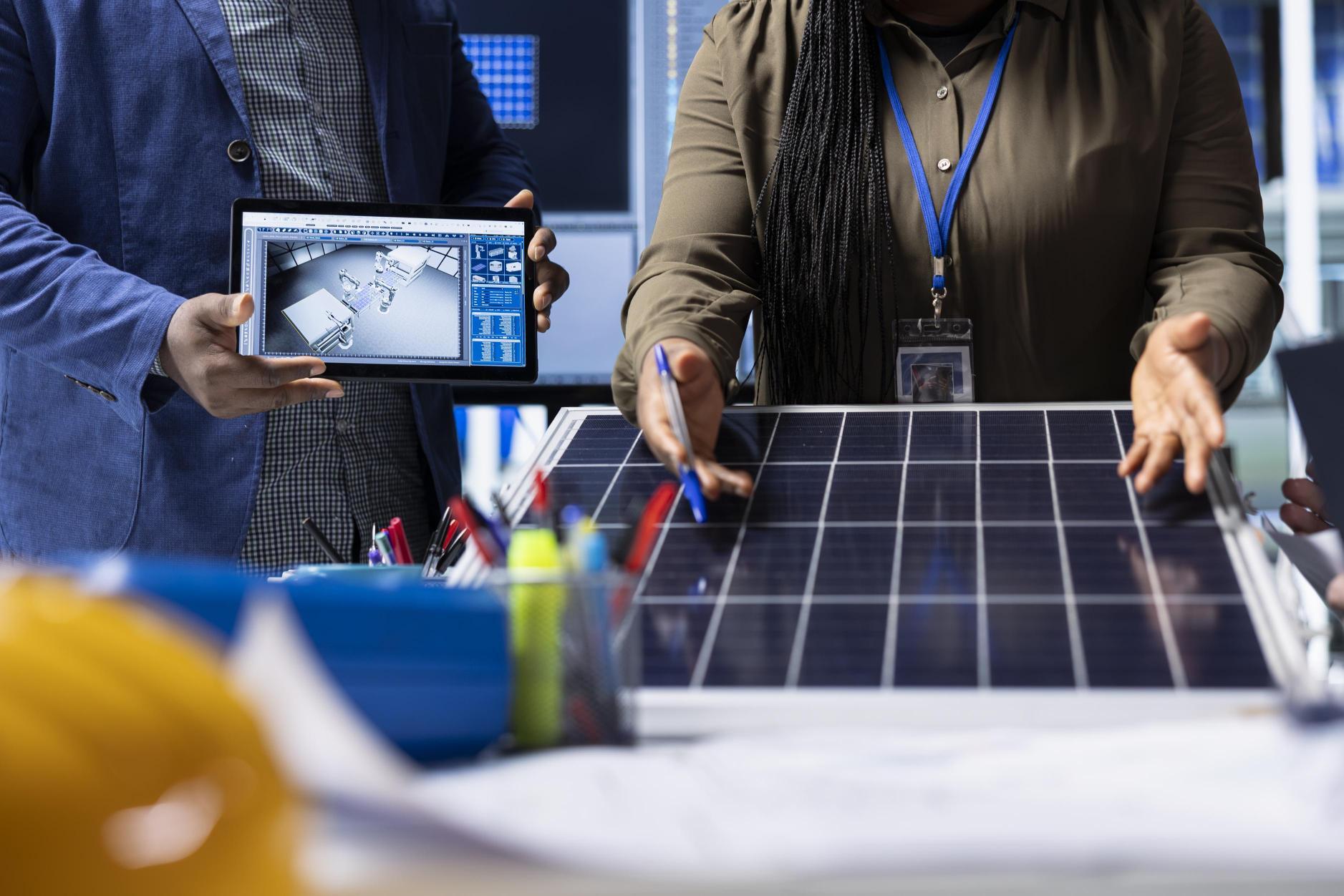
Japan’s solar PV wafers industry is experiencing steady growth as the country accelerates its transition toward renewable energy and carbon neutrality goals. Solar PV wafers serve as a critical component in photovoltaic cell manufacturing, making them essential to the broader solar value chain. The industry was valued at approximately USD 2.45 billion and is projected to expand at a CAGR of around 6.1% during the forecast period. Rising deployment of utility-scale solar projects, advancements in wafer efficiency, and increasing investments in domestic manufacturing are strengthening the industry’s position within Japan’s renewable energy landscape.
Market Drivers Advancing Japan Solar PV Wafers Growth
Rising Adoption of High-Efficiency Monocrystalline Wafers
The growing preference for high-efficiency monocrystalline silicon wafers is a major factor supporting industry expansion. These wafers offer superior energy conversion rates compared to conventional multi-crystalline alternatives, allowing solar developers to maximize power output from limited installation space. Utility-scale projects across Japan are increasingly utilizing large-format N-type wafers, which enhance performance while reducing overall electricity generation costs.
Expansion of Renewable Energy Infrastructure
Japan’s commitment to increasing renewable energy capacity has created substantial demand for solar components. Solar power remains one of the country’s most important clean energy sources, contributing significantly to electricity generation. Industrial hubs such as Kitakyushu and Osaka continue to play a crucial role in wafer production, technology development, and supply chain management. Growing investments in rooftop solar installations, commercial solar facilities, and large-scale solar farms are generating sustained demand for high-quality wafers.
Vertical Integration and Supply Chain Optimization
Leading manufacturers are strengthening their competitive position through vertical integration strategies. By controlling multiple stages of the production process, companies can reduce dependence on volatile international supply chains and improve operational efficiency. Integrated manufacturing also helps producers manage fluctuations in raw polysilicon prices while maintaining product quality standards. These strategies are becoming increasingly important as global competition intensifies and sustainability requirements become more stringent.
Government Initiatives Supporting Japan Solar PV Wafers Sector
The Japanese government continues to support solar sector development through renewable energy policies, carbon reduction targets, and incentives for clean energy adoption. The Ministry of Economy, Trade and Industry (METI) promotes solar deployment through strategic energy planning and sustainability regulations. Additionally, government-backed programs encourage low-carbon manufacturing practices, domestic production capabilities, and investments in advanced solar technologies, strengthening the overall industry’s long-term growth potential.
Competitive Landscape of Japan Solar PV Wafers Industry
The industry is characterized by the presence of established manufacturers and technology-focused players. Companies including Kyocera Corporation and other domestic solar technology firms are investing in research and development to improve wafer efficiency and production capabilities. Market participants are increasingly focusing on innovation, sustainable manufacturing processes, and strategic partnerships to enhance competitiveness. Continuous technological improvements and capacity expansions remain key differentiators within the sector.
Challenges Impacting Japan Solar PV Wafers Industry
Dependence on Imported Raw Materials
Despite domestic manufacturing capabilities, the industry remains partly dependent on imported polysilicon and other key materials. Global supply chain disruptions, logistics bottlenecks, and fluctuations in raw material costs can affect production economics and profitability.
High Manufacturing and Compliance Costs
Manufacturers must adhere to strict environmental and sustainability regulations, which often increase operational expenses. Investments in energy-efficient production facilities, carbon reduction measures, and advanced technologies can create financial pressure, particularly for smaller industry participants.
Future Outlook
Continued Technological Advancements
The industry is expected to benefit from ongoing innovations in wafer design, crystallization processes, and cell efficiency technologies. Advanced N-type and next-generation wafer technologies are likely to improve performance while reducing production costs.
Expanding Renewable Energy Ecosystem
Growing investments in renewable energy infrastructure, energy storage integration, and carbon-neutral initiatives will continue to support industry expansion. As Japan strengthens its clean energy transition strategy, demand for high-quality solar PV wafers is expected to remain robust, creating significant opportunities for manufacturers, technology developers, and supply chain participants across the sector.
Consultants at Nexdigm, in their latest publication “Japan Solar PV Wafers Market Outlook to 2035,” analyze the sector By (Defining Solar Wafer Grade Scope, Top-down METI Capacity Assessment, Bottom-up Annual Wafer Production Audit, Supply Chain Value Mapping).
Nexdigm suggests that businesses in the Japan Solar PV Wafers Industry focus on expanding local manufacturing capabilities, adopting advanced wafer technologies, and aligning with EU sustainability regulations. Strengthening supply chain resilience and investing in high-purity silicon wafer production can help companies capitalize on growing renewable energy demand and enhance long-term market competitiveness.
To take the next step, simply visit our Request a Consultation page and share your requirements with us.
Harsh Mittal
+91-8422857704