
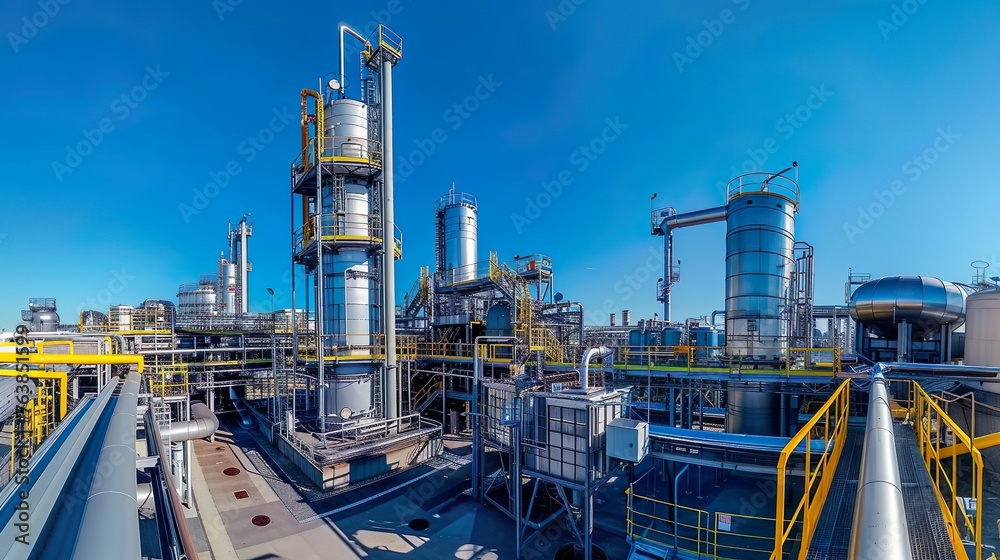
Japan has long been recognized as a global leader in battery technology, and the solid-state battery electrolytes industry is emerging as one of its most promising innovation segments. Solid-state electrolytes replace conventional liquid electrolytes, offering enhanced safety, higher energy density, and longer battery life. As electric vehicle (EV) adoption accelerates and manufacturers seek safer energy storage solutions, demand for advanced electrolyte materials is increasing across Japan. Industry participants, research institutions, and automotive manufacturers are actively investing in next-generation battery technologies, positioning the country as a key hub for solid-state battery development and commercialization.
Market Drivers Advancing the Japan’s Solid-State Battery Electrolytes Industry
Rising Demand for High-Performance Electric Vehicle Batteries
The rapid transition toward electrified transportation is a major factor driving electrolyte innovation in Japan. Automakers are looking for battery technologies that can deliver greater driving ranges while maintaining high safety standards. Solid-state electrolytes enable batteries to achieve significantly higher energy densities compared to conventional lithium-ion batteries. Japan remains one of the world’s major automotive manufacturing centers, with leading companies heavily investing in solid-state battery research. Industry experts estimate that solid-state batteries can potentially increase energy density by 50% or more compared to existing battery technologies, making them highly attractive for future EV platforms.
Expanding Research and Development Investments
Japanese corporations and academic institutions are investing extensively in electrolyte materials such as sulfide-based, oxide-based, and polymer-based solid electrolytes. Collaborative projects between research organizations and battery manufacturers are accelerating technological breakthroughs and helping overcome performance limitations. Several pilot production facilities have already been established to test large-scale manufacturing processes. These investments are helping reduce commercialization barriers while improving conductivity, durability, and production efficiency of electrolyte materials.
Growing Need for Safer Energy Storage Solutions
Battery safety continues to be a top priority across automotive and consumer electronics sectors. Traditional liquid electrolytes can present thermal runaway risks under extreme conditions. Solid-state electrolytes significantly reduce flammability concerns, improving overall battery safety. As consumers and manufacturers become increasingly focused on product reliability, the preference for safer battery architectures is expected to support long-term demand for advanced electrolyte technologies across Japan.
Government Initiatives Supporting Japan’s Solid-State Battery Electrolytes Sector
The Japanese government has identified advanced battery technologies as a strategic national priority. Public funding programs support battery research, manufacturing innovation, and supply-chain development. Various initiatives encourage collaboration between universities, technology firms, and automotive manufacturers to accelerate commercialization. Government support also aligns with broader decarbonization and energy security goals, creating a favorable environment for the growth of solid-state battery electrolyte technologies and domestic production capabilities.
Competitive Landscape of Japan’s Solid-State Battery Electrolytes Industry
The competitive landscape consists of established battery manufacturers, specialty chemical companies, material suppliers, and emerging technology startups. Industry leaders are focused on developing proprietary electrolyte formulations with enhanced ionic conductivity and stability. Strategic partnerships, joint ventures, and intellectual property development remain central competitive strategies. Companies are also expanding pilot-scale manufacturing capabilities to strengthen their market positions ahead of broader commercial deployment of solid-state battery technologies.
Challenges Facing Japan’s Solid-State Battery Electrolytes Industry
High Manufacturing Costs and Scalability Challenges
Despite significant technological progress, commercial production remains costly. Producing high-quality solid electrolytes requires advanced materials and specialized manufacturing processes. Scaling laboratory innovations to mass production while maintaining performance and affordability remains a challenge for industry participants.
Technical Performance Limitations
Researchers continue working to improve electrolyte conductivity, interface stability, and long-term durability. Achieving consistent performance across different operating conditions is essential for widespread commercial adoption. Addressing these technical hurdles will play a critical role in determining the pace of market expansion.
Future Outlook
The future of Japan’s solid-state battery electrolytes industry appears highly promising as EV manufacturers move closer to commercializing next-generation battery platforms. Continued advancements in material science, increasing private-sector investments, and supportive government policies are expected to strengthen the country’s leadership position. As production technologies mature and costs decline, solid-state electrolytes are likely to become a cornerstone of advanced battery systems. With its strong research ecosystem and automotive heritage, Japan is well-positioned to drive the global transition toward safer, more efficient, and higher-performance energy storage solutions.
Consultants at Nexdigm, in their latest publication “Japan Solid-State Battery Electrolytes Market Outlook to 2035“, analyze the sector By Polymer-Based Electrolytes (PEO-based Composite and Gel-polymer Hybrids), By Vehicle Propulsion System (Battery Electric Vehicles and Plug-in Hybrid Electric Vehicles) and By Manufacturing Process (Wet Chemicals and Mechanical Milling and Ball Milling).
Nexdigm suggests that businesses in “Japan Solid-State Battery Electrolytes Industry” focusses on oilfield, desalination, construction, and industrial applications, strengthen local warehousing, develop application-specific grades, improve technical support, and build resilient sourcing networks to serve expanding energy, water, and manufacturing demand.
To take the next step, simply visit our Request a Consultation page and share your requirements with us.
Harsh Mittal
+91-8422857704