
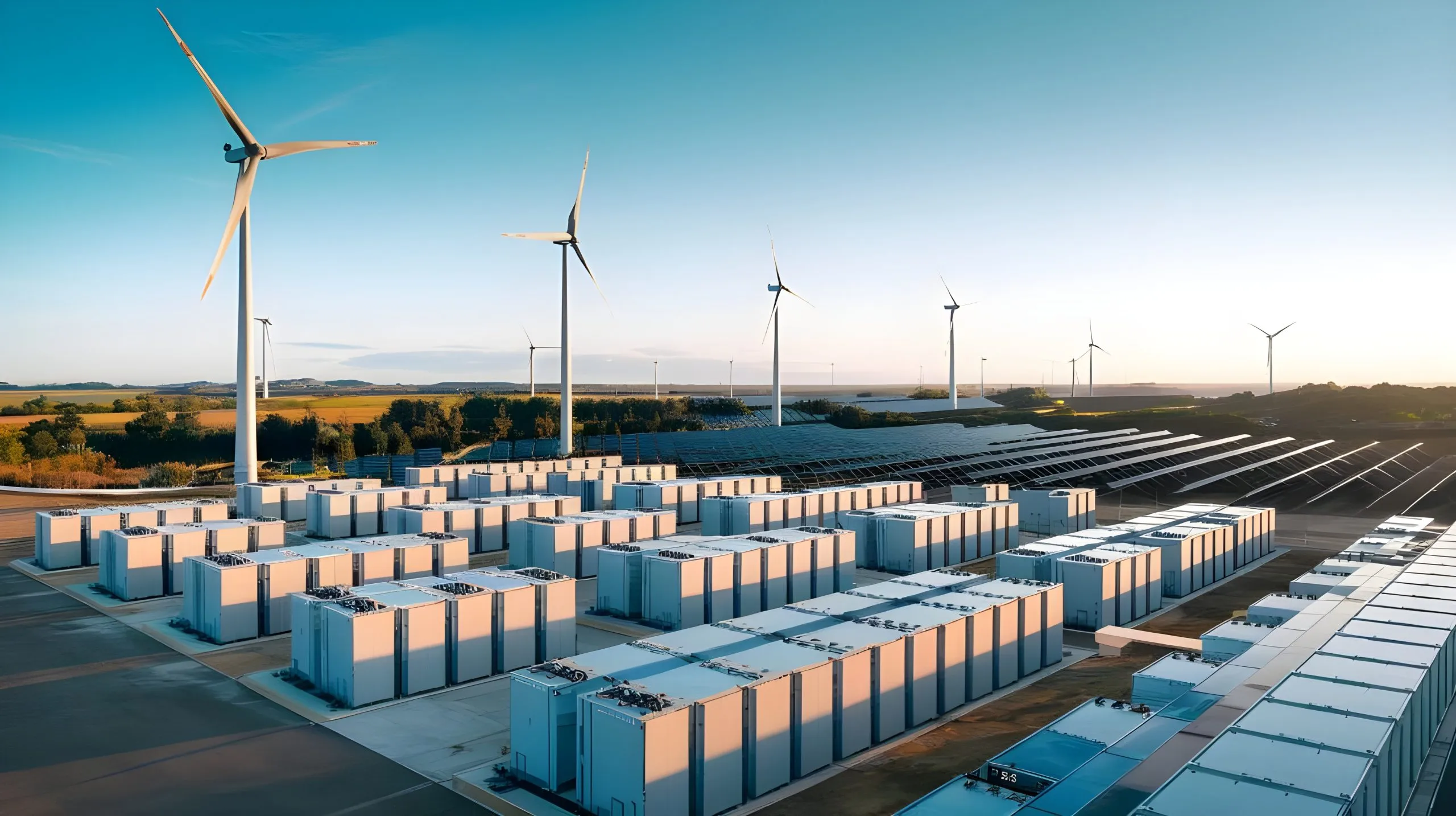
Kenya is emerging as a key market for Battery Energy Storage Systems (BESS) in Africa, driven by its strong renewable energy base and growing electricity demand. The country already generates over 80–90% of its electricity from renewable sources such as geothermal, hydro, wind, and solar. However, the intermittent nature of these resources creates a need for reliable storage solutions. BESS is increasingly being deployed to stabilize the grid, improve energy access, and support Kenya’s transition toward a more resilient and sustainable power system.
Key Factors Driving Growth in Kenya’s Battery Energy Storage System Market
High Renewable Energy Penetration
Kenya’s electricity mix is heavily dependent on renewables, with estimates suggesting over 90% renewable capacity. While this positions the country as a clean energy leader, it also introduces variability in power generation. Battery energy storage systems help balance supply and demand by storing excess energy and releasing it during peak periods, ensuring grid stability.
Growing Electricity Demand and Access Expansion
Electricity access in Kenya has increased significantly—from about 30% in 2014 to over 75% in 2024. This rapid expansion has put pressure on the grid infrastructure. BESS solutions are being adopted to enhance reliability, reduce outages, and support rural electrification through mini-grids and off-grid systems.
Increasing Investments in Renewable Projects
The growth of solar and wind installations is driving demand for storage solutions. As renewable projects expand, the need to manage intermittency becomes critical. The Kenya battery storage market is projected to grow at over 14–15% annually between 2025 and 2029, reflecting strong investment momentum. Additionally, BESS supports peak load management and ancillary services, making it an essential component of modern energy infrastructure.
Government Policies and Strategic Initiatives Supporting BESS Deployment in Kenya
The Kenyan government has incorporated BESS into its long-term energy planning frameworks, such as the Least Cost Power Development Plan (LCPDP). Targets include integrating up to 250 MW of battery storage capacity by 2026. Policies like the Energy Act 2019 and national energy strategies promote storage adoption through regulatory support, incentives, and partnerships with global agencies. These initiatives aim to enhance grid stability and accelerate renewable integration.
Competitive Dynamics and Key Players in Kenya’s BESS Market
The Kenya BESS market features a mix of local utilities, international developers, and technology providers. Companies are focusing on lithium-ion battery solutions due to their efficiency and declining costs. The broader Middle East and Africa storage market is moderately consolidated, with leading global players and regional firms competing through project partnerships and technological innovation. Strategic collaborations with government bodies and utilities are common to secure large-scale deployment opportunities.
Key Challenges Affecting the Growth of Kenya’s BESS Market
High Capital Costs and Financing Constraints
One of the primary barriers to BESS adoption in Kenya is the high upfront investment required. Limited access to affordable financing and perceived project risks can deter private sector participation.
Regulatory and Infrastructure Gaps
Despite policy progress, inconsistencies in regulatory frameworks and limited grid infrastructure—especially in remote areas—pose challenges. Addressing these issues is critical to scaling battery storage deployment and attracting long-term investment.
Future Outlook
The future of Kenya’s battery energy storage system market appears strong, supported by continued renewable expansion and grid modernization efforts. As battery costs decline and technologies improve, adoption is expected to accelerate across utility-scale and distributed applications. The country’s commitment to clean energy, combined with growing electrification and investment opportunities, will further drive market growth. With projected double-digit growth rates and increasing policy support, Kenya is likely to become a leading BESS market in Africa, playing a central role in enabling a stable and sustainable energy ecosystem.
Consultants at Nexdigm, in their latest publication “Kenya Battery Energy Storage System,” analyze the sector by System Type (Grid-connected Systems, Off-grid Systems, Utility-scale Storage Systems, Commercial & Industrial Storage Systems), By Platform Type (Electricity Grid, Renewable Energy Integration, Microgrid Platforms), and By Fitment Type (On-site Storage, Off-site Storage, Centralized Storage). Nexdigm suggests that businesses should incorporate market-relevant context to align their strategies with evolving industry trends, regulatory landscapes, and regional demand dynamics, enabling more informed decision-making and sustainable growth.
To take the next step, simply visit our Request a Consultation page and share your requirements with us.
Harsh Mittal
+91-8422857704