
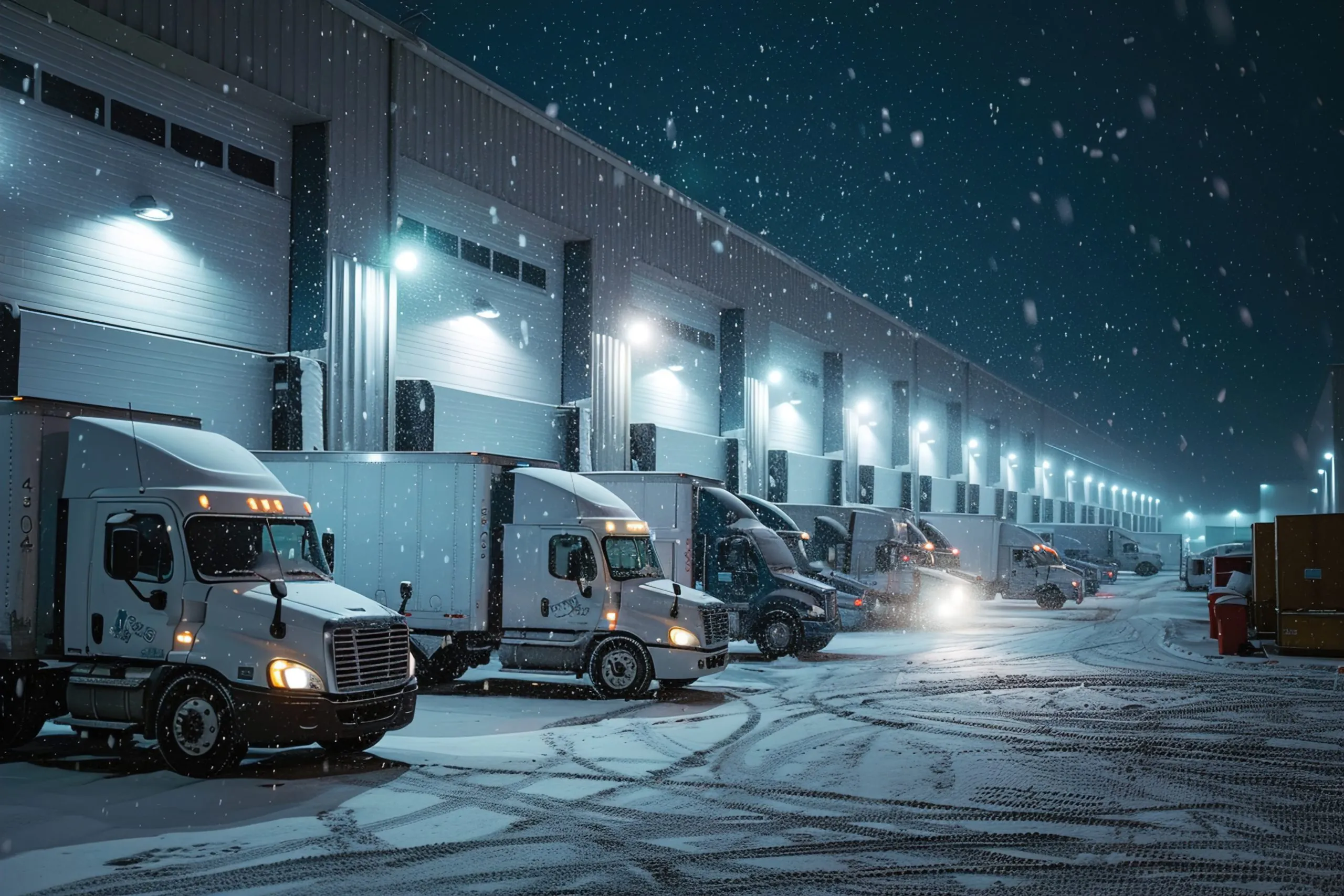
The Kenya cold chain logistics market is gaining strategic importance as demand for temperature‑controlled storage and distribution rises across agriculture, pharmaceuticals and retail. Cold chain systems preserve perishable goods from producer to consumer, reducing post‑harvest waste and enhancing food security. In Kenya, gaps in cold storage infrastructure have traditionally led to significant losses of fresh produce and dairy, but recent investments are improving connectivity and reliability. Over the outlook period to 2035, these developments, combined with rising urban consumption and expansion in healthcare logistics, are expected to reshape the country’s cold chain landscape and support broader economic objectives.
Key Drivers Fueling Growth in Kenya’s Cold Chain Logistics Market
Growth in Perishable Goods Demand
Kenya’s agriculture sector, including horticulture, dairy and fisheries, is a core driver of cold chain logistics demand. A large share of perishable crops and dairy products require rapid chilling and controlled transport to maintain quality and reduce waste. Post‑harvest losses for fruit, vegetables, dairy, and fish have been reported at high levels (often exceeding 40%) in the absence of adequate cold chain infrastructure, underscoring the need for improved systems to preserve value and boost farmer incomes.
Expansion of Pharmaceutical and Healthcare Logistics
The healthcare sector is another significant driver for cold chain services in Kenya. Vaccines and temperature‑sensitive medicines require continuous temperature control from manufacturing to point of use, particularly in immunization programmers and routine medical supply distribution. Strengthening the pharmaceutical cold chain improves public health outcomes and supports broader healthcare system resilience.
Integration with Retail and E‑Commerce
Urbanization and changing consumer preferences are expanding demand for fresh and chilled retail products across Kenyan cities. The growth of supermarkets and e‑commerce grocery services requires reliable last‑mile refrigeration and temperature monitoring, creating new opportunities for logistics providers to innovate with digital tracking and integrated cold storage solutions.
Government Initiatives and Support for Cold Chain Logistics Development
The Kenyan government, along with development partners, is prioritizing cold chain enhancement through infrastructure investments and systemic programmers aimed at food security and rural livelihoods. Initiatives such as collaborative cold‑chain ecosystem projects focus on building inclusive, resilient networks that link smallholder producers to markets. These efforts include public–private partnerships and targeted funding for cold storage hubs, particularly in agricultural regions, to reduce spoilage and enable equitable access to temperature‑controlled supply chains.
Overview of Key Players and Competition in Kenya’s Cold Chain Logistics Market
The competitive landscape in Kenya’s cold chain logistics market comprises a mix of local and regional players offering refrigerated storage and transport services. Innovation-driven companies focusing on modular and solar‑powered cold storage are emerging to serve rural and off‑grid markets, supported by funding schemes for inclusive growth. Competition is also influenced by service differentiation through technology adoption, such as real‑time monitoring and data analytics, to ensure compliance and temperature integrity across logistics networks.
Key Challenges Facing the Growth of Cold Chain Logistics in Kenya
High Operational and Infrastructure Costs
Cold chain operations involve substantial capital expenditure on refrigeration units, specialized vehicles and energy‑intensive storage facilities. High electricity prices and fuel costs further increase operating expenses, making it challenging to extend services economically to low‑volume or rural markets.
Infrastructure Gaps in Rural Areas
Rural regions in Kenya still lack adequate cold storage and temperature‑controlled transport links, leading to inefficient supply chains, elevated post‑harvest losses and limited market access for smallholder farmers.
Future Outlook
Looking ahead to 2035, Kenya’s cold chain logistics market is expected to grow steadily as infrastructure improvements and technology adoption broaden the reach of temperature‑controlled supply networks. Continued investment in pre‑cooling facilities, refrigerated transport and digital monitoring systems will support agricultural productivity, healthcare delivery and retail distribution. Advancements in renewable‑powered cold storage could further enable rural inclusion and lower operating costs. With strategic alignment between public policy and private sector innovation, the cold chain sector is positioned to enhance Kenya’s food security, export potential and economic competitiveness through 2035.
Consultants at Nexdigm, in their latest publication “Kenya Cold Chain Logistics Market Outlook to 2035,” analyze the sector by System Type (Refrigerated Trucks, Cold Storage Facilities, Refrigerated Warehousing, Air Cargo Refrigeration), By Platform Type (Land Transport, Sea Freight, Air Freight), and By Fitment Type (Standalone Solutions, Integrated Solutions, Modular Systems). Nexdigm suggests that businesses should focus on developing innovative and sustainable cold chain solutions that cater to the specific needs of Kenya’s agricultural, healthcare, and retail sectors. By investing in modern infrastructure, adopting digital technologies, and exploring renewable energy solutions, businesses can enhance the efficiency and reach of temperature-controlled logistics. This approach not only mitigates operational challenges but also drives growth in the cold chain sector, supporting food security, improving healthcare delivery, and meeting the increasing demand for fresh produce and pharmaceuticals.
To take the next step, simply visit our Request a Consultation page and share your requirements with us.
Harsh Mittal
+91-8422857704