
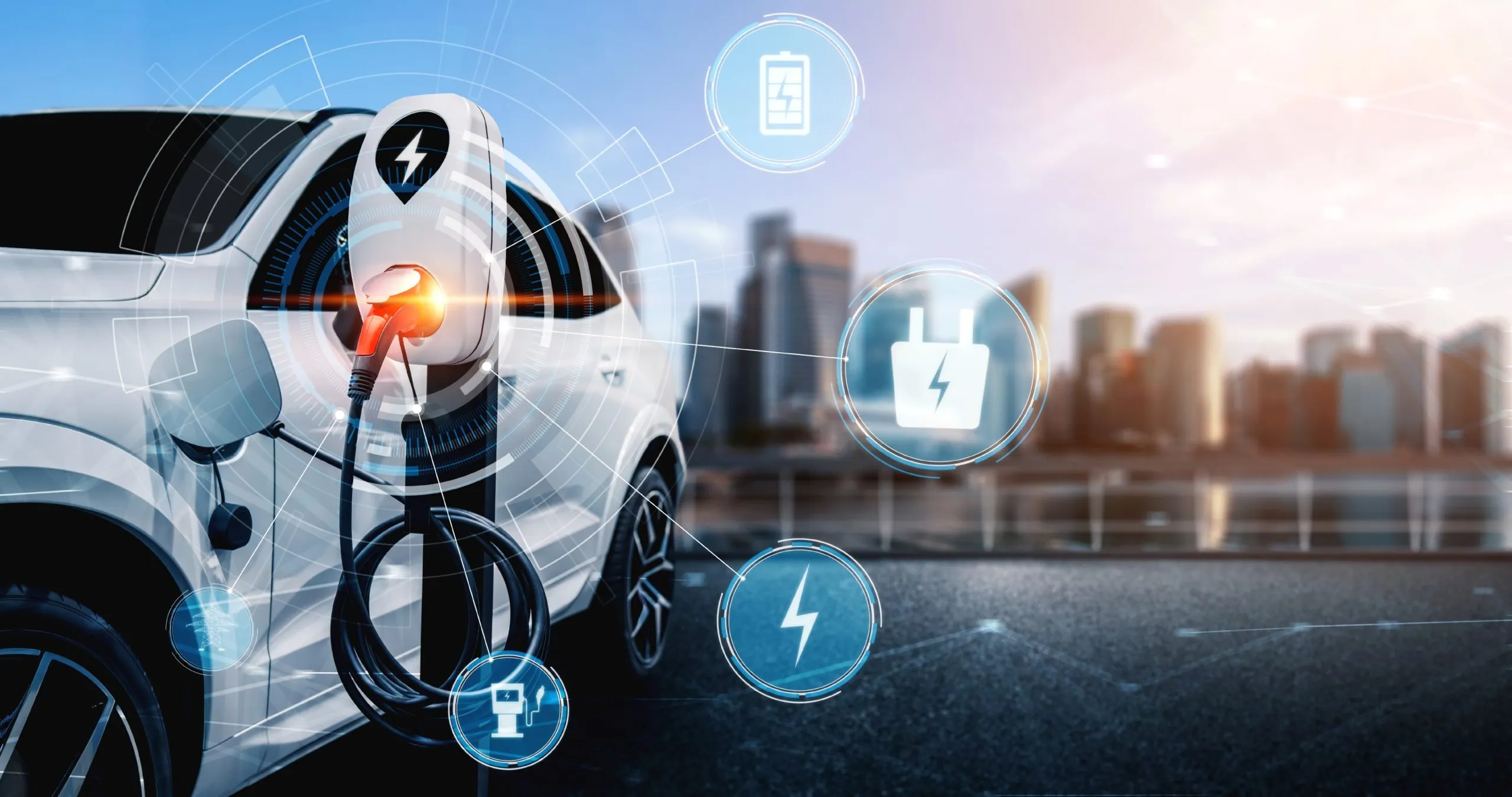
Kenya’s electric vehicle (EV) market is growing at a rapid pace, with EV registrations rising rapidly compared to the previous year. As more people choose cleaner, greener transportation options, driven by both environmental concerns and economic benefits, the country is steadily moving toward electric mobility. With over 24,754 EVs already on the road and a growing charging network, Battery Management Systems (BMS) are becoming essential to ensure that these vehicles perform safely and efficiently in Kenya’s climate. As the market expands, BMS solutions will be key to making this transition successful.
Major Factors Driving the EV Boom in Kenya
More EVs on the Road: A Market on the Rise
The number of electric vehicles in Kenya has surged. This uptick in EV sales can be attributed to the combined appeal of environmental consciousness and lower operating costs, which are driving more people to make the switch from traditional combustion engines. With EVs becoming more common, the demand for Battery Management Systems is growing. These systems are essential for managing battery health, regulating temperature, and ensuring energy efficiency particularly important in Kenya’s varying climate. As more drivers make the switch, BMS technologies will become an integral part of the journey toward a greener future.
Charging Infrastructure: A Key to Convenience
Along with the increase in EV adoption, the growth of charging stations in Kenya has been pivotal. As more charging stations are installed, particularly in cities like Nairobi, Mombasa, and Kisumu, EV owners can feel more confident about their ability to charge on the go. With increased charging frequency, effective BMS technology becomes essential to ensure safe, efficient charging. These systems help to manage battery cycles and prevent degradation, ensuring that vehicles run smoothly for years to come.
Economic Benefits Driving Adoption
The cost savings associated with EVs, especially in terms of fuel and maintenance, are pushing both individuals and businesses to make the switch. For example, electric motorcycles and small fleet vehicles are increasingly popular in urban areas due to their lower operational costs. As more people and businesses adopt electric transport, the need for BMS solutions grows. These systems help optimise battery performance and ensure that vehicles run efficiently, making EVs even more attractive for both personal and commercial use.
Kenyan Government Initiative enhancing EV market Growth
Kenya’s government is playing a crucial role in promoting electric vehicles through a range of incentives, including tax exemptions on EVs and subsidies for charging infrastructure. The National Electric Mobility Policy has set a roadmap for increasing the use of EVs and establishing a nationwide network of charging stations. With these initiatives, the government is creating a supportive environment for the growth of the EV market, which indirectly boosts the demand for advanced technologies like Battery Management Systems (BMS). As these policies take root, they will help shape the future of electric mobility in Kenya.
Competitive Landscape of Kenya’s EV Market
Kenya’s EV Battery Management System market is becoming increasingly competitive, with both international and local players entering the space. Global companies are introducing advanced BMS technologies designed for diverse battery chemistries, while local firms are developing solutions tailored to Kenya’s unique needs, such as handling high temperatures and varying charging patterns. As the market expands, competition is driving innovation in battery health monitoring, cost-effectiveness, and system integration. This competition is helping accelerate the adoption of BMS solutions across the country’s growing EV fleet.
Challenges to Overcome for EV Adoption in Kenya
High Initial Costs and Integration Complexity
Despite the many benefits, the high upfront cost of EVs remains a challenge for many potential buyers. Even though EVs offer long-term savings, the initial investment can be daunting, particularly for lower-income households or small businesses. The cost of integrating advanced BMS technologies can also be a barrier, especially for smaller manufacturers looking to offer affordable options. Overcoming these financial hurdles is essential for broader EV adoption across all income segments.
Uneven Infrastructure Development
While major cities like Nairobi and Mombasa are experiencing rapid infrastructure growth, rural areas still face limited access to charging stations. The uneven spread of charging infrastructure could slow the uptake of EVs in more remote regions, as consumers need assurance that they can charge their vehicles conveniently, no matter where they live. Addressing this gap is essential for ensuring that EVs and by extension, BMS technologies reach their full potential.
Future Outlook
Looking ahead, Kenya’s electric vehicle market is set to grow exponentially as infrastructure expands and more businesses and consumers adopt EVs. The number of EVs on the road could reach over 500,000 in the coming years, with electric motorcycles and small fleet vehicles leading the charge. As this growth continues, BMS technologies will evolve, incorporating real-time diagnostics, predictive analytics, and smart charging features that enhance battery efficiency. The government’s continued investment in infrastructure and incentives will play a vital role in supporting this transition, while BMS will be integral to ensuring the long-term success of electric mobility in Kenya.
Consultants at Nexdigm, in their latest publication Kenya Electric Vehicle Market Outlook to 2035, analyze the market by System Type (Battery Electric Vehicle, Plug in Hybrid Type Vehicle, Hybrid Electric Vehicle, Electric Two Wheelers), by Fitment Type (On premise Solutions, Hybrid Solutions, Modular Solutions, Integrated Solutions).
Nexdigm believes that businesses in Kenya must prioritize innovation, sustainability, and technology integration to stay ahead in the rapidly evolving market. By embracing electric mobility and adopting cutting-edge solutions like Battery Management Systems (BMS) for electric vehicles, companies can improve operational efficiency and contribute to the country’s sustainable growth.
To take the next step, simply visit our Request a Consultation page and share your requirements with us.
Harsh Mittal
+91-8422857704