
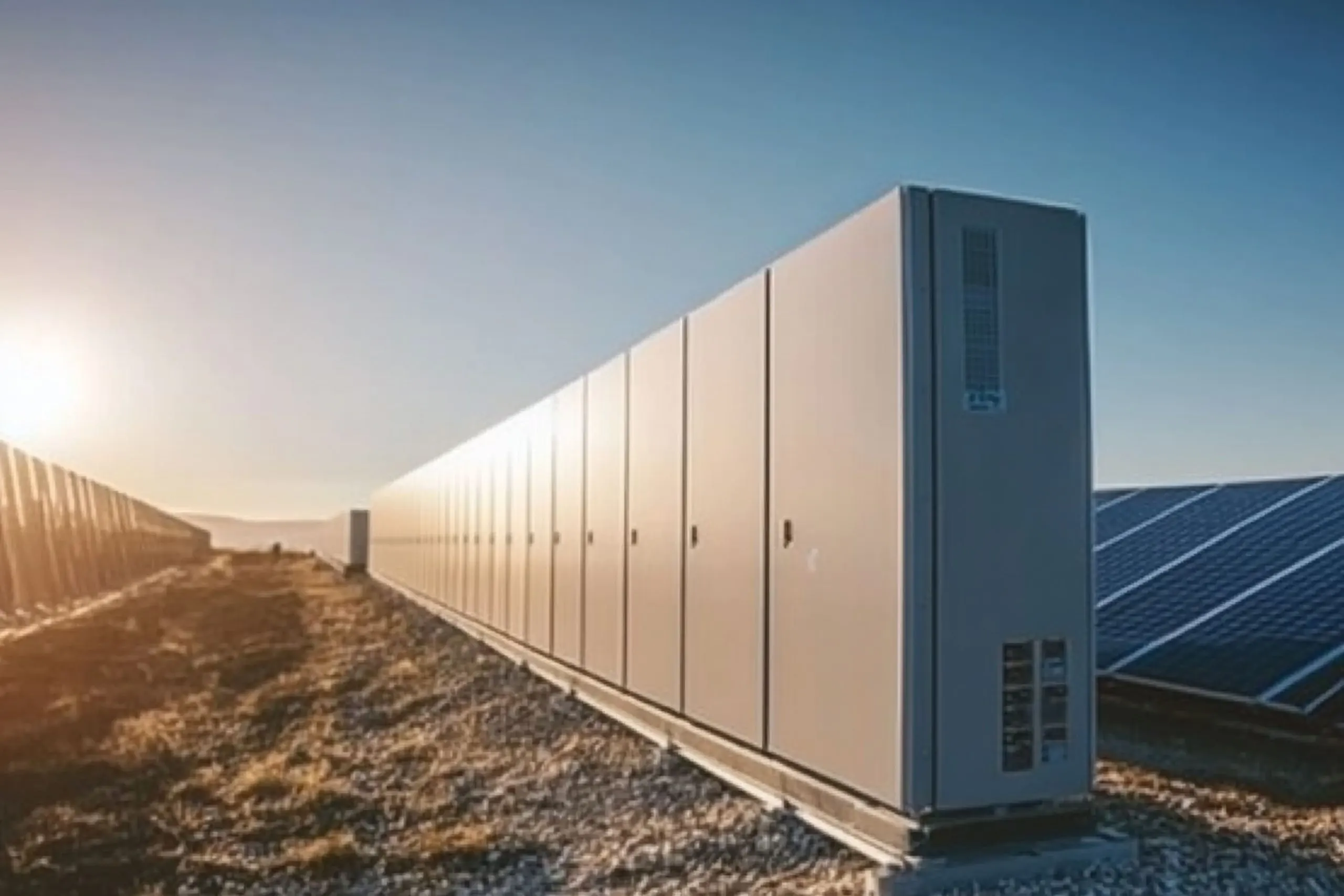
Kenya’s energy sector has changed considerably over the last decade, and storage technology is quietly becoming one of the most important pieces of that transition. The country already sources a large share of its electricity from renewables, particularly geothermal and hydro, but balancing supply during peak demand or weather-related disruptions remains a practical concern. In 2026, battery energy storage systems are no longer limited to pilot projects or donor-backed programs. They are showing up in solar mini-grids, telecom towers, industrial facilities, and even commercial buildings looking to reduce reliance on unstable grid supply. What makes Kenya different from many emerging markets is that the push for storage is not only about sustainability. In practice, businesses and households often adopt storage because power interruptions carry real economic costs. From cold-chain operators to hospitals in secondary cities, uninterrupted electricity has become less of a luxury and more of a necessity.
What’s Driving the Energy Storage Market in Kenya?
Renewable Energy Expansion Creating Storage Demand
Kenya has invested heavily in renewable electricity generation, particularly geothermal projects around the Rift Valley and large wind developments such as the Lake Turkana Wind Power project. While this has reduced dependence on imported fuel, renewable generation does not always align neatly with consumption patterns. During periods of low generation or transmission bottlenecks, stored energy becomes critical. Solar developers are increasingly pairing photovoltaic installations with battery systems to smooth output and avoid wasted electricity during low-demand hours. This trend is particularly visible in commercial solar projects where energy reliability matters as much as electricity savings.
Rural Electrification and Mini-Grid Development
Outside major urban areas, decentralized energy systems continue to play an important role. Many rural communities still experience inconsistent grid connectivity, and diesel generators remain expensive to operate because of fuel transportation costs. As a result, solar-plus-storage systems have become a more practical alternative in counties with limited infrastructure. A common challenge on the ground is maintaining stable electricity after sunset when solar generation drops sharply. Battery storage helps bridge that gap. Schools, health clinics, and small businesses operating in remote areas are among the biggest beneficiaries. The economics have also improved over the last few years as lithium-ion battery prices gradually declined.
Commercial and Industrial Backup Power Needs
Kenyan businesses have become increasingly conscious of the financial impact of outages and voltage fluctuations. Manufacturing plants, data centers, and hospitality operators cannot afford equipment downtime or interrupted operations. For many companies, investing in storage systems now makes more sense than relying entirely on diesel backup generators, particularly with fuel prices remaining volatile. There is also growing interest in hybrid systems that combine rooftop solar, battery storage, and limited generator support. Some industrial users are using batteries to manage peak electricity tariffs rather than solely for backup purposes. That shift says a lot about how the market is maturing beyond emergency power applications.
Government-Led Initiatives Supporting Storage Deployment
Kenya’s broader energy policies have indirectly opened the door for storage technologies. Programs linked to universal electrification, renewable integration, and private investment in clean energy have encouraged developers to explore battery-backed systems. International development agencies and climate finance institutions have also played a visible role by funding pilot projects and mini-grid expansion. At the same time, policy gaps still exist. Energy storage regulations remain less defined compared to traditional generation assets, and permitting processes can sometimes slow project timelines. Even so, investors continue to view Kenya as one of East Africa’s more active clean energy markets because electricity demand keeps rising steadily.
Market Competition and Technology Landscape
The market remains fairly fragmented. Global battery manufacturers compete alongside local solar integrators and regional distributors. Lithium-ion technology dominates new installations due to better efficiency and longer operational life, although lead-acid batteries still appear in smaller off-grid projects because they are cheaper upfront. Digital financing models are also reshaping the industry. Pay-as-you-go energy providers, which first gained traction in the solar home system market, are now integrating storage solutions into their offerings. That approach works well in lower-income segments where customers prefer manageable monthly payments over large capital expenses.
High Initial Investment Costs
Despite stronger demand, upfront costs continue to limit wider adoption. Utility-scale battery projects require substantial financing, and smaller enterprises often struggle to secure affordable credit. Kenya still depends heavily on imported battery cells and components, exposing suppliers to exchange-rate fluctuations and shipping costs. In some cases, maintenance expertise is also limited outside major cities, which can discourage smaller buyers from investing in advanced systems.
Kenya Advances Large-Scale Wind and Battery Storage Projects
Kenya’s energy storage sector received fresh momentum in 2026 after developers announced new utility-scale renewable projects paired with battery storage systems. One of the major developments includes the Siruai project, combining 100 MW of wind power with 50 MWh battery storage capacity to improve grid reliability and support renewable integration. Meanwhile, Kenya Electricity Generating Company (KenGen) continues feasibility work on its planned 100MW/100MWh battery energy storage system across multiple locations, including Olkaria and Kipevu. These projects reflect growing confidence in battery storage as Kenya works to stabilize electricity supply and reduce transmission inefficiencies.
Future Outlook
The Kenya energy storage market will likely expand steadily through 2035 as renewable electricity generation grows and electrification reaches deeper into rural areas. Commercial users are expected to remain key buyers, although mini-grids and telecom infrastructure will also contribute meaningful demand. Over time, falling battery costs and better financing access could make storage systems far more common across residential and business applications.
Consultants at Nexdigm, in their latest publication “Kenya Energy Storage Market Outlook to 2035,” analyzed the market by Technology (Lithium-Ion Batteries, Lead-Acid Batteries, Flow Batteries, Others), By Application (Utility-Scale Storage, Commercial & Industrial, Residential, Mini-Grids & Off-Grid Systems, Electric Mobility), and By End User (Utilities, Commercial Enterprises, Households, Telecom Operators, Government & Institutions). Nexdigm believes that businesses should prioritize localized partnerships, scalable solar-plus-storage solutions, and financing innovations while leveraging rural electrification and grid stabilization initiatives as key growth opportunities in Kenya’s evolving energy storage market.
To take the next step, simply visit our Request a Consultation page and share your requirements with us.
Harsh Mittal
+91-8422857704