
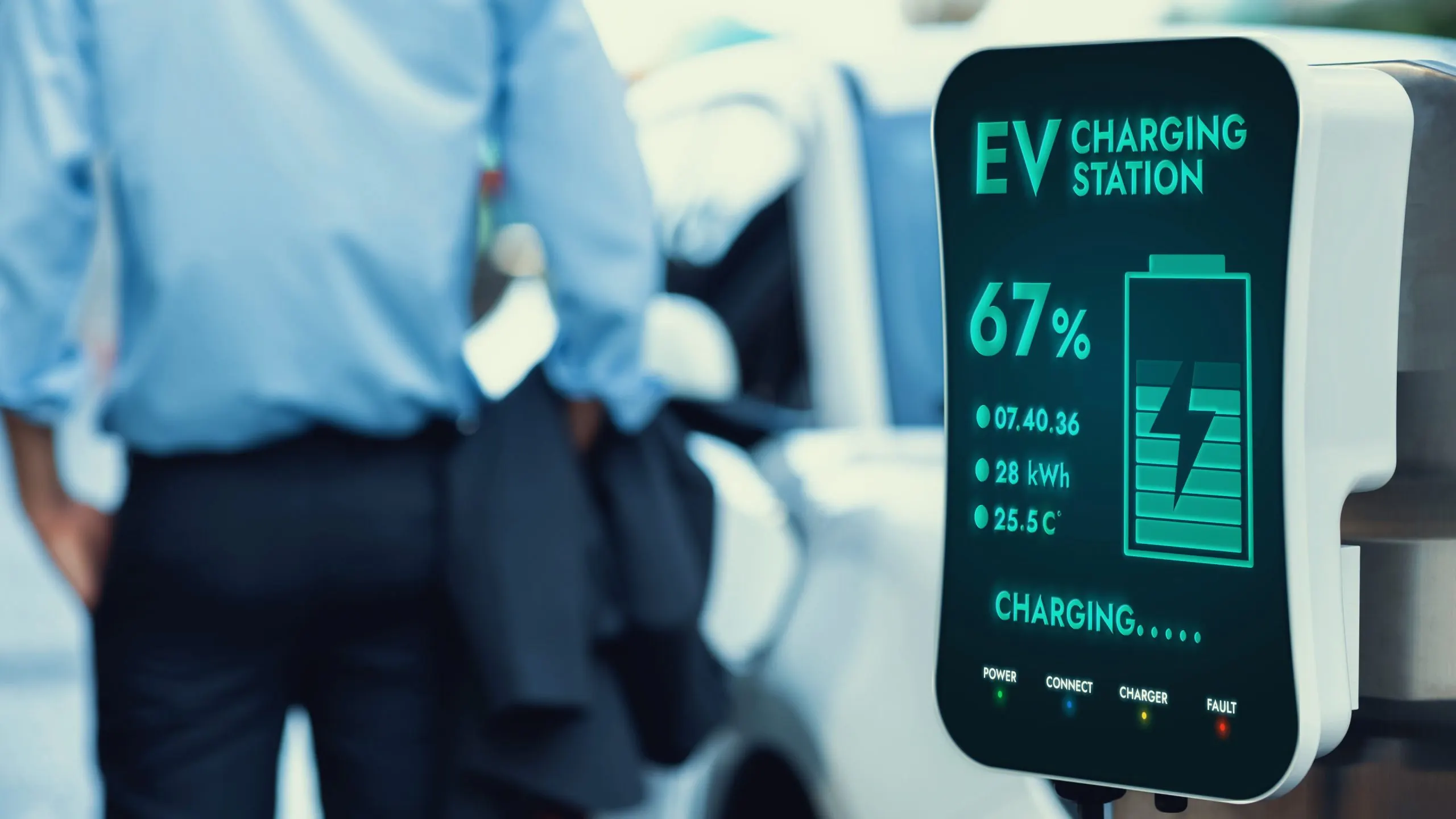
Kenya’s electric vehicle (EV) battery market is gradually moving from early adoption to a more structured growth phase. With over 3,700 EVs already on the road, the shift is no longer theoretical; it’s happening on the ground. What makes Kenya particularly interesting is its strong renewable energy base, which makes EV charging cleaner and more affordable. From electric motorcycles weaving through city traffic to buses entering public fleets, batteries are becoming central to mobility. As demand for EVs grows, so does the need for reliable, cost-effective battery solutions, setting the foundation for long-term market expansion.
Growth Factors Driving Battery Demand in Kenya
Growing EV Adoption Across Everyday Transport
One of the clearest drivers is the rapid uptake of EVs, especially in motorcycles and commercial fleets. Adoption has surged, largely fueled by delivery services and ride-hailing operators. For many users, the decision is practical EVs are cheaper to run and easier to maintain. This shift naturally increases demand for batteries, replacements, and support systems. In day-to-day terms, as more riders and businesses switch to electricity, the battery market grows alongside them.
Lower Running Costs Are Changing Decisions
Fuel prices and maintenance costs are pushing individuals and businesses to rethink transport choices. EVs, powered by batteries, can cut operating costs compared to petrol vehicles. This cost advantage is especially important in a price-sensitive market like Kenya, where savings directly impact livelihoods. Over time, these economic benefits are likely to outweigh the higher upfront costs, making batteries a core enabler of affordable mobility.
Battery Swapping Is Making EVs More Practical
Another important shift is the rise of battery swapping, particularly for motorcycles. Instead of waiting to charge, riders can simply swap a depleted battery for a charged one in minutes. This model reduces downtime and lowers upfront vehicle costs, making EVs more accessible. As swapping networks expand, they create consistent demand for standardized batteries, strengthening the overall market.
Kenyan Government Initiatives boosting Battery market
The Kenyan government is actively supporting the transition through policies like the National Electric Mobility Policy. These efforts include tax incentives, reduced import duties, and plans to expand charging infrastructure. There is also a clear push toward increasing EV adoption, with targets set for gradual penetration in the coming years. More importantly, these policies signal long-term commitment, giving investors and businesses the confidence to participate in the EV battery ecosystem.
Competitive Landscape of Kenya’s Battery Market
The competitive landscape is still evolving, with startups and regional players leading innovation. Companies focusing on electric buses, motorcycles, and battery swapping are building the early foundation of the market. At this stage, competition is less about scale and more about finding workable models, whether through technology, partnerships, or service networks. As funding and interest increase, the market is expected to become more structured, with clearer leaders emerging over time.
Key Barriers affecting the Battery Market of Kenya
Infrastructure Gaps Remain a Real Constraint
While progress is visible, access to charging and swapping infrastructure is still limited in many areas. This makes EV adoption less convenient, particularly outside major cities. Without a dense and reliable network, users may hesitate to fully transition. Closing this gap will be critical to unlocking the next phase of growth.
High Upfront Costs Continue to Slow Adoption
Despite long-term savings, the initial cost of EVs and batteries remains a barrier for many consumers. On top of that, reliance on imported battery components exposes the market to price fluctuations. For widespread adoption, affordability needs to improve, either through local production or better financing options. Addressing this challenge could significantly accelerate market expansion.
Future Outlook
As we look ahead, Kenya’s EV battery market is expected to move into a more mature and scalable phase. Growth will likely be driven by public transport electrification, logistics fleets, and the continued dominance of electric motorcycles. With steady policy support and increasing private investment, the ecosystem should become more organized, with standardized battery solutions and wider infrastructure coverage. In practical terms, what is now a developing market could evolve into a key pillar of Kenya’s clean transport system, positioning the country as a regional leader in EV battery adoption and innovation.
Consultants at Nexdigm, in their latest publication Kenya EV Battery Market Outlook to 2030, analyzed the market by System Type (Battery Monitoring System, Battery Control System, Energy management system, Thermal Management System), by Fitment Type (OEM Solutions, Aftermarket Solutions, Upgraded Systems).
Nexdigm believes that businesses should prioritize innovation, adaptability, and customer-centric strategies to stay competitive in an ever-evolving market. By embracing digital transformation, companies can streamline operations, enhance efficiency, and deliver value in new ways. Additionally, focusing on sustainability and responsible business practices ensures long-term growth while aligning with global environmental and social goals.
To take the next step, simply visit our Request a Consultation page and share your requirements with us.
Harsh Mittal
+91-8422857704