
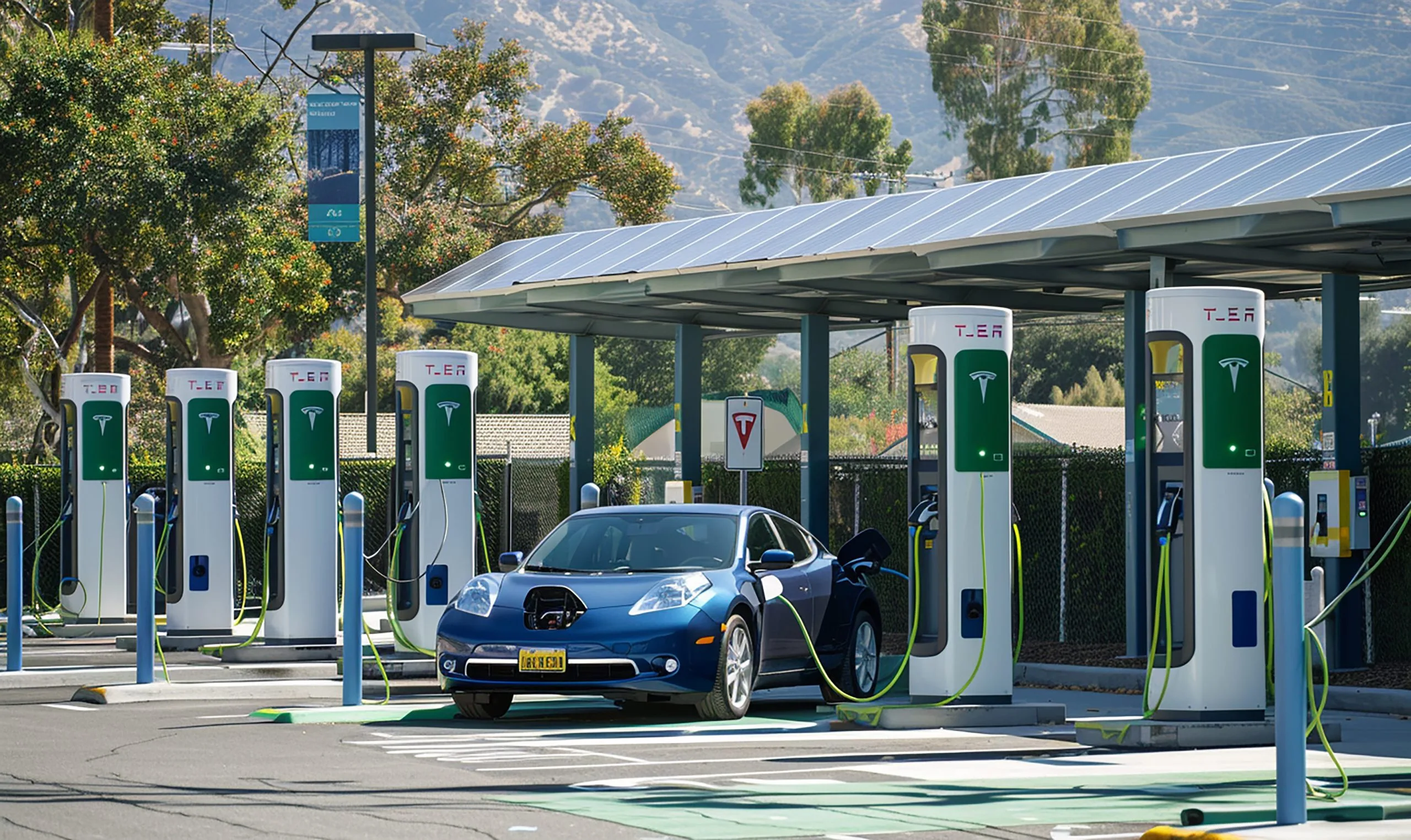
Kenya’s electric vehicle (EV) market is growing quickly. More people are choosing electric vehicles as part of the country’s drive toward sustainability. With this growth, the need for a robust charging infrastructure becomes increasingly urgent. Last year, there were over 300 charging points across the country, and this number continues to grow as Kenya moves toward cleaner, greener transportation. As the market continues to expand, reliable charging solutions will be key to supporting EV adoption and ensuring a smooth transition to electric mobility. These solutions will also play a critical role in enhancing the convenience and accessibility of EVs for everyday users, ensuring that charging becomes as seamless as refuelling traditional vehicles. With continued investment, Kenya’s charging network can pave the way for widespread EV integration in both urban and rural areas.
Major Factors Driving Kenya’s EV Charging Growth
More EVs on the Road Means More Charging Stations Needed
The number of electric vehicles in Kenya is on the rise. This rise in electric cars is increasing demand for charging stations that are easily accessible to both urban commuters and rural drivers. As more people adopt EVs, they need reliable charging options this is driving investments in new charging infrastructure in cities and along major transport routes.
Charging Demand Is Growing Fast
Kenya’s EV charging activity has surged, with electricity consumption for EV charging more than doubling in last year. This increase shows that more drivers are relying on their EVs for daily use, and that charging infrastructure must keep up with demand. As the need for frequent charging increases, advanced and efficient charging systems will become even more critical. These systems will help manage energy use, maintain battery health, and ensure that all drivers have access to charging when they need it.
Businesses and Fleets Are Going Electric
Businesses are also getting on board with the electric shift. Many companies are electrifying their fleets to cut fuel costs and reduce emissions. With more commercial EVs, such as electric motorcycles and delivery vans, on the road, the demand for charging stations continues to rise. Companies need charging stations that are reliable, affordable, and strategically placed to support high-frequency usage. As more businesses switch to electric vehicles, the market for charging infrastructure will continue to grow and evolve.
Kenyan Government’s Support boosting EV Charging Market
The Kenyan government is actively supporting the shift to electric vehicles with a range of initiatives, including tax exemptions on EVs and charging equipment, as well as building a comprehensive national charging network. The National Electric Mobility Policy is helping to guide the development of the EV ecosystem by focusing on expanding charging infrastructure and ensuring that EVs become a viable choice for all Kenyans. These efforts make it easier for both individuals and businesses to adopt electric vehicles and rely on a growing, accessible charging network.
Competitive Landscape of Kenya’s EV Charging Market
Kenya’s charging infrastructure market is seeing a mix of local companies and international players stepping up to meet the growing demand. Companies are working together to develop solutions that suit the Kenyan environment, from low-cost charging points to fast-charging stations on major highways. Local startups are also providing services like mobile charging solutions and partnering with businesses to create charging stations on their premises. As the competition grows, innovation in charging technology will continue to accelerate, ensuring more efficient and accessible charging for all users.
Challenges faced in Building the EV Charging Market of Kenya
Not Enough Charging Stations in Rural Areas
While urban areas like Nairobi and Mombasa are well-served by charging infrastructure, rural areas still lack access to enough charging stations. This uneven distribution limits EV adoption in regions where charging infrastructure is sparse. Expanding charging access to these underserved areas is key to ensuring that electric vehicles are a viable option for people across the country.
Cost and Infrastructure Limitations
Setting up charging stations can be expensive, especially in areas with limited access to reliable electricity. There’s also a need to upgrade the existing power grid to handle the increased demand from electric vehicles. These costs and infrastructure challenges present obstacles to faster expansion, but with the right investment and strategic partnerships, these barriers can be overcome.
Future Outlook
As we look ahead, Kenya’s EV charging infrastructure market is set to grow significantly. As EV adoption reaches new heights, charging infrastructure will need to grow accordingly, with more stations being built in cities, towns, and rural areas. Government support, along with private sector investments, will help make this possible, with charging networks becoming more widespread and easier to access. In the upcoming years, Kenya could have one of the most robust EV charging infrastructures in East Africa, supporting a sustainable, electric future for all Kenyans.
Consultants at Nexdigm, in their latest publication Kenya EV Charging Infrastructure Market Outlook to 2035, analyze the market by System Type (Fast Charging System, Slow Charging System, Public Charging System, Private Charging System and Ultra- Fast Charging System), by Platform Type (Land Platforms, Commercial Platforms).
Nexdigm believes that businesses in Kenya embrace innovation, sustainability, and digital transformation to stay ahead in the rapidly evolving market. By investing in clean technologies such as electric vehicles (EVs) and supporting infrastructure like charging networks, companies can drive growth while contributing to Kenya’s sustainability goals. Adopting solutions like Battery Management Systems (BMS) for EVs can help businesses improve operational efficiency, reduce costs, and align with the country’s broader move towards cleaner, more efficient energy use.
To take the next step, simply visit our Request a Consultation page and share your requirements with us.
Harsh Mittal
+91-8422857704