
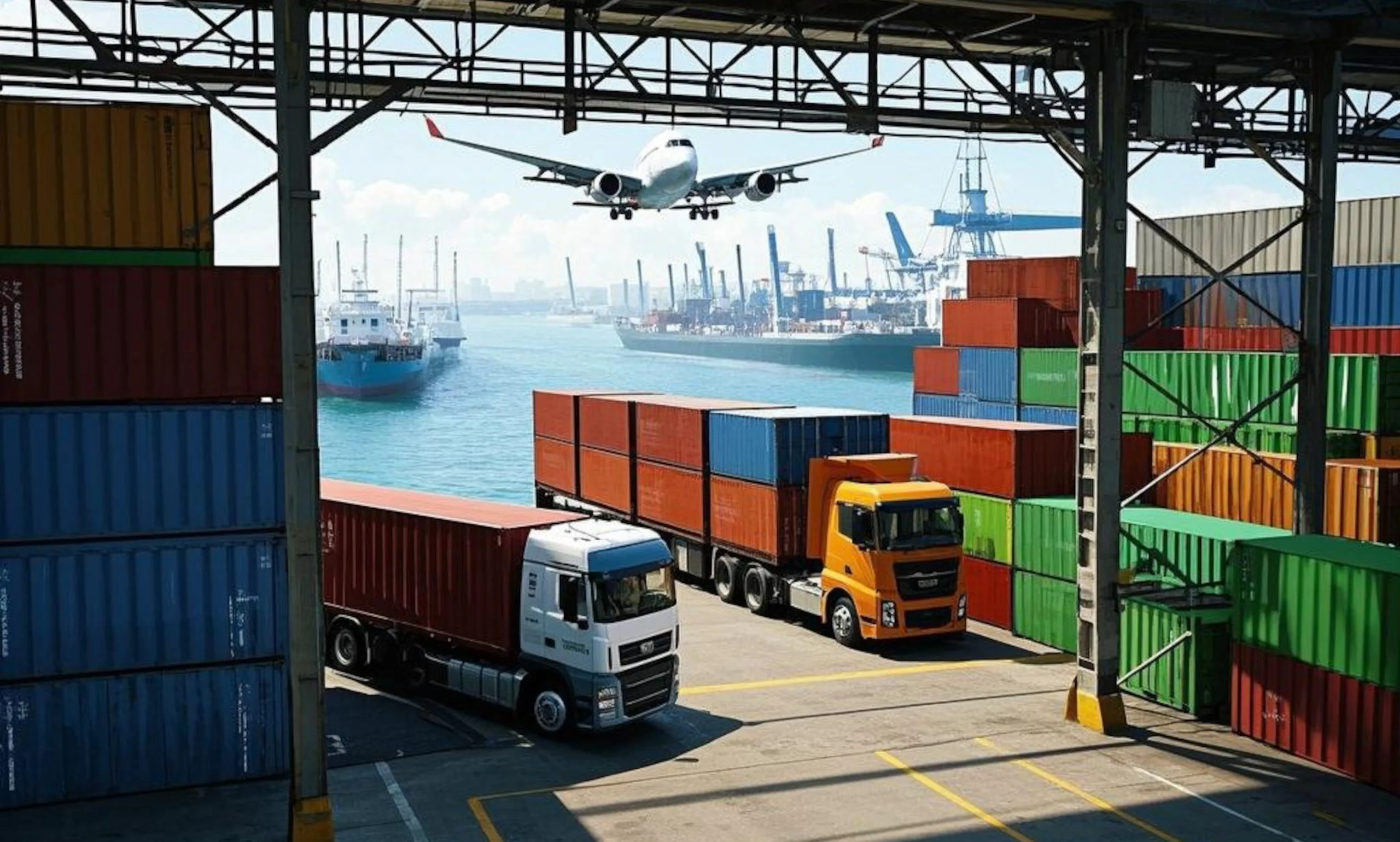
The freight forwarding sector in Kenya plays a central role in facilitating trade flows across East Africa and connecting the country to global markets. As a key enabler of logistics services, freight forwarding integrates transportation, customs clearance, documentation and supply chain coordination for goods moved via air, sea, road and rail. The market has been influenced by rising international trade, improvements in multimodal infrastructure, and expanding e‑commerce activity. With global freight forwarding projected to grow to over USD 360 billion by 2035, Kenya’s forwarding market is expected to expand in tandem with regional trade and logistics investments.
Key Factors Fueling the Growth of Kenya’s Freight Forwarding Market
Expansion of Regional and Global Trade
East Africa’s trade integration and Kenya’s positioning as a logistics hub, especially through the Port of Mombasa and rail links to neighboring markets, have increased freight forwarding demand. Kenya serves as a gateway for imports and exports to landlocked countries such as Uganda and South Sudan, driving higher freight volumes. Investments in rail and road connectivity enhance capacity for freight movement, making multimodal logistics more efficient.
Growth of E‑commerce and Retail Logistics
The rapid expansion of digital commerce across Africa is reshaping logistics requirements. Increasing online retail activity creates demand for flexible, fast and reliable forwarding services that can manage international shipments and last‑mile coordination. Forwarders offering integrated services—including warehousing, tracking, and customs facilitation—are seeing heightened interest from retailers and consumer brands seeking to optimize supply chains.
Adoption of Technology
Technology is a growing influence in the freight forwarding market worldwide and in Kenya. Forwarders are adopting digital platforms, real‑time tracking, and automation tools to improve transparency and efficiency, aligning with global freight market trends toward digital logistics solutions and real‑time visibility.
Government Policies and Initiatives Driving Freight Forwarding Growth in Kenya
The Kenyan government has prioritized transport infrastructure enhancements, including road upgrades and rail connectivity, to support trade and logistics capacity. Policy frameworks aimed at strengthening the Port of Mombasa and inland dry ports to enhance the efficiency of freight handling and reduce transit times. Regionally, engagement in East African Community (EAC) trade facilitation measures further supports logistics flows, aiding freight forwarders in aligning with simplified procedures and tariff harmonization.
Analysis of Key Players and Competition in Kenya’s Freight Forwarding Market
Kenya’s freight forwarding sector includes a mix of domestic logistics providers and branches of international forwarders. Market participants vary in scale and service focus, from full‑service forwarding to specialized customs clearance and multimodal coordination. Competitive differentiation is increasingly tied to service reliability, digital capabilities, and network reach. Providers investing in integrated logistics platforms and value‑added services are better positioned to capture growth linked to rising trade volumes and e‑commerce demand.
Key Challenges Facing the Growth of Kenya’s Freight Forwarding Sector
Infrastructure Gaps and Cost Pressures
Despite ongoing investments, gaps in rural and secondary transport infrastructure contribute to higher logistics costs and longer delivery cycles for freight forwarders. Road congestion and variable rail capacities can increase transit times and operational expenses.
Regulatory and Operational Complexities
Customs procedures, compliance variances, and fluctuating fuel prices add complexity to freight operations, particularly for cross‑border shipments. These factors can dampen service efficiency and increase the administrative burden on forwarding firms.
Future Outlook
Looking ahead to 2035, Kenya’s freight forwarding market is set to grow in line with rising East African trade, diversified export sectors, and expanding digital commerce. Continued emphasis on multimodal infrastructure and logistics optimization will support capacity for larger freight volumes. Integration of advanced logistics technologies—such as digital documentation, cargo visibility tools and automated routing—will further streamline operations. Policy alignment within regional trade blocs and sustained investment in port and inland connectivity are expected to underpin competitiveness, positioning Kenya as a principal forwarding hub in East Africa through the next decade.
Consultants at Nexdigm, in their latest publication “Kenya Freight Forwarding Market Outlook to 2035,” analyze the sector by System Type (Air Freight, Sea Freight, Land Freight, Rail Freight), By Platform Type (Road Transport, Air Transport, Sea Transport), and By Fitment Type (Outsourced Solutions, In-house Solutions, Hybrid Solutions). Nexdigm suggests that businesses should focus on adapting to evolving market dynamics by integrating advanced technologies, improving operational efficiencies, and aligning with regional trade policies to maintain competitiveness in the ever-changing freight forwarding landscape.
To take the next step, simply visit our Request a Consultation page and share your requirements with us.
Harsh Mittal
+91-8422857704