
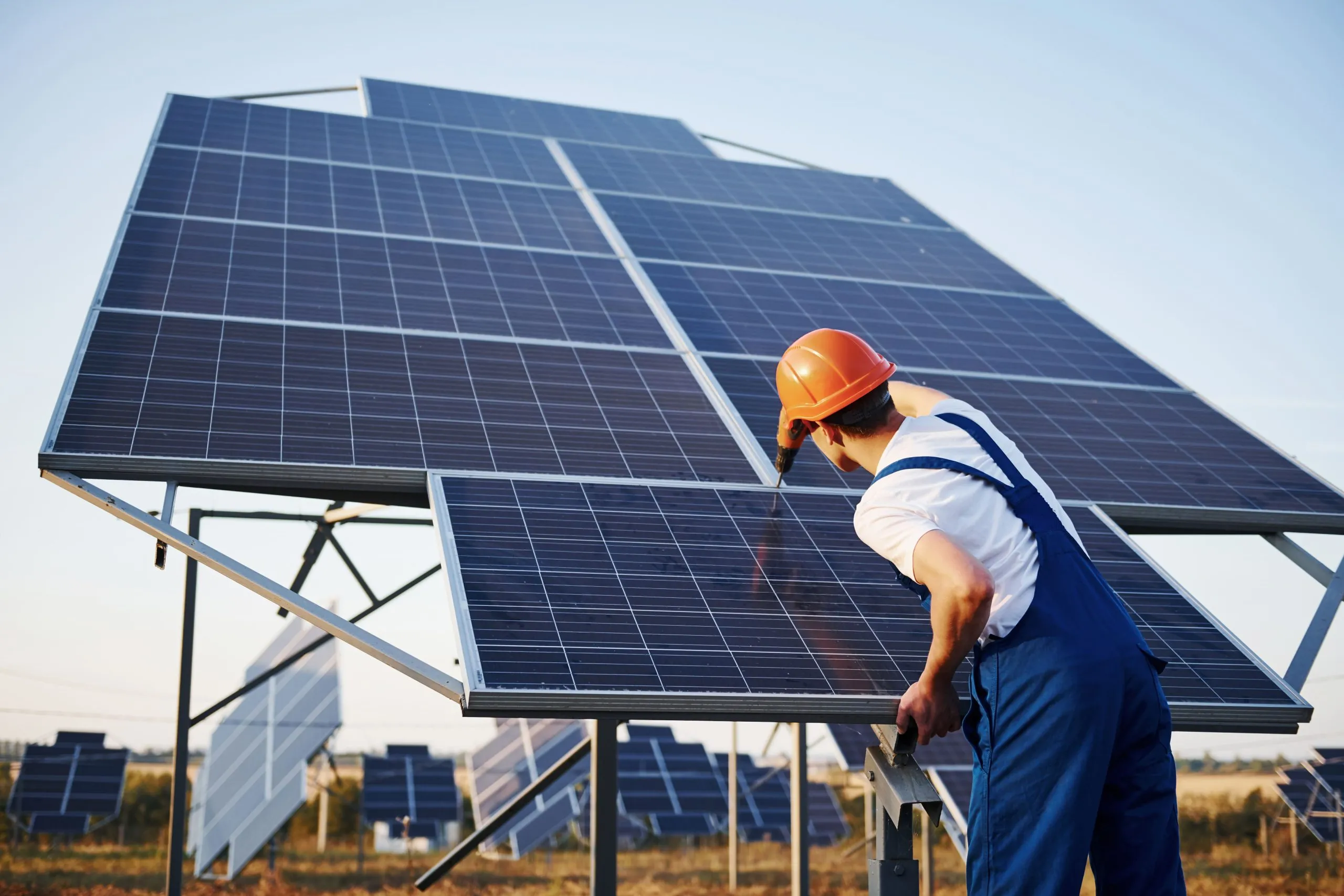
Kenya has quietly become one of the more active solar markets in East Africa, and the momentum no longer comes only from donor-funded rural projects. Over the last few years, solar PV adoption has expanded into commercial buildings, flower farms, tea factories, and even small retail businesses trying to cut electricity costs. As of 2026, solar power plays a growing role in Kenya’s off-grid and backup energy mix, especially in counties where grid access remains unreliable or expensive. Falling solar equipment prices have made installations far more accessible than they were five years ago, though financing still remains uneven outside major urban centers. What stands out in Kenya is not just the pace of adoption, but how practical the demand has become. For many users, solar is less about sustainability branding and more about avoiding power interruptions and diesel expenses.
What’s Driving the Solar PV Market in Kenya?
Expansion of Off-Grid Electrification
Large parts of rural Kenya still operate with limited grid connectivity, particularly in arid and semi-arid regions. In practice, extending transmission lines into sparsely populated areas is expensive and often commercially unviable. Solar home systems have filled that gap faster than many expected. Companies offering pay-as-you-go payment models have made it possible for households to purchase small systems through mobile money platforms in weekly or monthly installments. This approach has worked especially well in regions where kerosene and diesel generators were previously the only options. A basic solar kit now powers lighting, televisions, phone charging, and small appliances for thousands of households. The shift may sound simple, but for many rural businesses, longer operating hours and reliable lighting directly translate into higher daily income.
Commercial Users Looking to Reduce Energy Bills
Kenya’s industrial and commercial electricity tariffs remain relatively high by regional standards, and businesses have become far more conscious of operating costs after years of fuel and utility price fluctuations. This has pushed factories, warehouses, hotels, and agricultural processing units toward rooftop solar installations. Tea factories and flower farms, particularly those supplying export markets, have shown notable interest in hybrid solar systems paired with battery storage. There is also a practical side to this transition. Backup diesel generators remain expensive to run, especially when fuel logistics become difficult during periods of supply disruption. Solar installations help stabilize daytime operations, although many firms still rely on the grid at night. The economics are not perfect for every business, but the savings are now substantial enough to justify investment in many sectors.
Falling Equipment Costs and Foreign Investment
A decade ago, solar adoption in Kenya was largely limited to development projects and premium commercial installations. That picture has changed considerably. Lower global prices for solar modules and batteries have improved affordability across residential and commercial categories. Chinese manufacturers continue to dominate panel supply, while international lenders and climate-focused funds support larger renewable projects through concessional financing. On the ground, access to capital remains uneven. Urban installers generally secure financing more easily than smaller developers operating in rural counties. Even so, international institutions such as the World Bank and African Development Bank continue funding mini-grid and distributed energy programs across Kenya. Without that external support, many projects in underserved regions would struggle to move beyond the planning stage.
Government-Led Renewable Energy Initiatives
Kenya’s government has maintained a relatively supportive stance toward renewable energy over the years, particularly through rural electrification programs and clean energy policies under Kenya Vision 2030. Public institutions including schools, health clinics, and administrative centers increasingly rely on solar systems where grid reliability remains weak. Regulatory discussions around net metering have also encouraged more private-sector participation, though implementation still moves slower than many installers would prefer. One notable trend is the growing focus on solar-powered irrigation. Farmers dealing with unpredictable rainfall patterns are adopting solar water pumps to reduce diesel dependence. In agricultural counties, this shift may ultimately have a bigger long-term impact than residential rooftop adoption.
Market Competition and Industry Landscape
The Kenya solar PV market remains fairly fragmented. International suppliers compete alongside local installers, fintech-backed solar firms, and regional engineering companies. Players such as M-KOPA, d.light, and SunCulture have built strong visibility through financing-led business models rather than pure equipment sales. That distinction matters because affordability remains one of the market’s defining factors.
Grid and Financing Constraints
Despite strong demand, Kenya’s solar sector still faces structural limitations. Transmission infrastructure outside major economic corridors remains underdeveloped, creating delays for utility-scale projects. Financing also presents a common challenge, particularly for smaller installers and rural consumers who lack access to affordable credit. Currency fluctuations further complicate project economics because most solar components are imported.
Kenya Records Sharp Rise in Solar Imports in 2026
Kenya’s solar sector drew attention in 2026 after the country imported nearly 1.4 GW of solar photovoltaic technology in a single month, marking one of the strongest renewable energy surges seen in East Africa recently. Industry reports suggest a large share of these imports consisted of solar cells rather than fully assembled panels, indicating growing interest in local assembly and manufacturing activities. The spike reflects rising demand from commercial rooftop projects, mini-grid developers, and rural electrification programs. Analysts also note that battery storage and hybrid systems are gaining traction as businesses look for more reliable alternatives to expensive diesel-based backup power solutions.
Future Outlook
Kenya’s solar PV market will likely continue expanding steadily through 2035, though growth may remain uneven between urban commercial projects and rural deployments. Battery storage adoption is expected to rise as businesses seek greater energy independence, while solar-powered irrigation and mini-grid systems could reshape energy access in agricultural regions. Kenya may not become Africa’s largest solar market by volume, but it has already established itself as one of the continent’s more practical and adaptable renewable energy markets.
Consultants at Nexdigm, in their latest publication “Kenya Solar PV Market Outlook to 2035,” analyzed the market by Deployment Type (Utility-Scale Solar, Rooftop Solar, Off-Grid Solar Systems, Solar Mini-Grids), By End User (Residential, Commercial & Industrial, Agriculture, Utilities, Public Infrastructure), and By Component (Solar Modules, Inverters, Batteries, Mounting Systems). Nexdigm believes that businesses should prioritize localized financing solutions, battery-integrated solar systems, and rural distribution partnerships while leveraging opportunities in solar irrigation and commercial rooftop installations to strengthen long-term growth in Kenya’s renewable energy sector.
To take the next step, simply visit our Request a Consultation page and share your requirements with us.
Harsh Mittal
+91-8422857704