
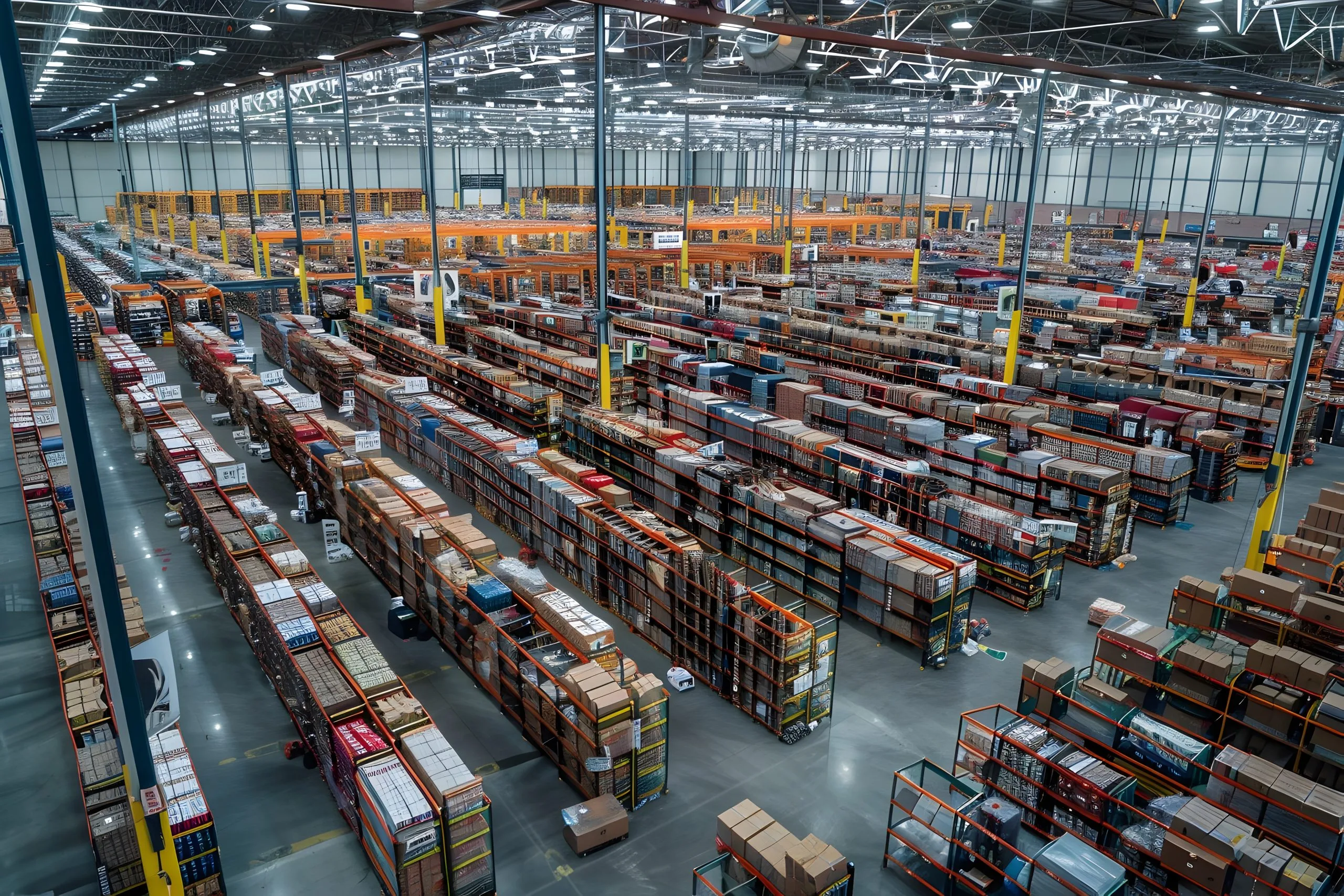
Kenya’s warehousing market is positioned for sustained expansion over the next decade, driven by the growth of manufacturing, retail, and e‑commerce sectors. As a regional logistics hub for East and Central Africa, Kenya’s strategic location—from the Port of Mombasa to inland distribution corridors—underpins demand for modern storage facilities. The warehousing and storage market in Kenya is projected to grow significantly in value through 2035, supported by infrastructure investments and evolving supply chain needs.
Key Factors Driving the Growth of the Kenya Warehousing Market
Expansion of E‑commerce and Retail
The rapid rise of online shopping and retail distribution has been a major driver of warehousing demand in Kenya. Increased mobile and internet penetration has boosted e‑commerce penetration, requiring efficient storage, order fulfillment, and distribution networks. Retail chains and consumer goods companies are investing in larger, better‑equipped facilities to manage inventory and support faster deliveries.
Infrastructure Development and Trade Connectivity
Ongoing infrastructure projects, such as improvements to the Standard Gauge Railway (SGR), Mombasa port upgrades, and road networks linking major cities, have enhanced the logistics value chain. These investments reduce transit times and costs, making warehousing investments more attractive. This is particularly relevant for goods moving to and from landlocked neighboring markets like Uganda and South Sudan.
Sectoral Growth and Diversification
Growth in manufacturing, agriculture, export markets, and cold‑chain requirements is boosting demand for specialized storage. Food & beverage, FMCG, and cold storage segments are expanding as companies seek compliance with safety standards and temperature‑controlled storage to reduce spoilage. General warehousing still dominates, but refrigerated and specialized storage are among the fastest‑growing subsegments.
Government Policies and Initiatives Supporting the Growth of the Warehousing Sector
The Kenyan government has introduced policies to support logistics and warehousing growth, including incentives for private investment in warehousing infrastructure and the development of industrial parks. Streamlined land use and trade facilitation reforms aim to reduce bottlenecks in storage and distribution. Efforts to improve connectivity through transport networks further underpin long‑term warehousing expansion.
Overview of Key Players and Competition in the Kenyan Warehousing Market
The Kenya warehousing and logistics market includes a mix of local and international players such as Bolloré Africa Logistics, DHL Kenya, and Siginon Group, supported by regional freight forwarders and specialized third‑party logistics (3PL) providers. These firms compete on network coverage, technology integration, and value‑added services including cold chain and bonded warehousing.
Key Challenges Impacting the Growth of the Kenyan Warehousing Market
Infrastructure and Operational Costs
Despite improvements in transport networks, warehousing infrastructure outside major urban centers often lacks modern amenities and reliable power, increasing operational expenses. High land prices and electricity tariffs also affect cost structures for new facilities.
Regulatory and Skills Constraints
Regulatory complexity related to customs clearance, land use, and property rights can delay expansion. Additionally, there is a shortage of trained logistics and warehouse management professionals, which limits efficiency and adoption of advanced systems.
Future Outlook
Looking toward 2035, the Kenyan warehousing market is projected to maintain robust growth as demand from e‑commerce, regional trade, and industry diversification continues. Market estimates positioned the sector at an approximate value of USD 3.39 billion in 2025 with growth toward USD 4.65 billion by 2030, and expansion likely sustained beyond that as supply chains modernize further. Technological adoption—such as automation, real‑time tracking, and energy‑efficient designs—will be key in enhancing competitiveness. Strategic positioning within the African Continental Free Trade Area (AfCFTA) and continued investment in logistics networks will further support market depth and attractiveness for investors up to 2035.
Consultants at Nexdigm, in their latest publication “Kenya Warehousing Market Outlook to 2035,” analyze the sector by System Type (Automated Warehousing Systems, Cold Storage Warehouses, Cross-Docking Warehouses, Bulk Storage Facilities), By Platform Type (Land-Based Warehousing, Airborne Warehousing, Marine Warehousing), and By Fitment Type (On-Premise Warehousing Solutions, Cloud-Based Warehousing Solutions, Hybrid Warehousing Solutions). Nexdigm suggests that businesses should adapt to evolving market trends and invest in technology-driven solutions to stay competitive in the rapidly growing warehousing sector in Kenya. By embracing automation, improving supply chain efficiency, and optimizing storage capacity, companies can better meet the demands of expanding industries like e-commerce, manufacturing, and cold storage.
To take the next step, simply visit our Request a Consultation page and share your requirements with us.
Harsh Mittal
+91-8422857704