
The KSA agrochemical market is going through a steady transformation as Saudi Arabia strengthens its food security agenda, modernizes farming practices, and improves domestic crop productivity under Vision 2030. While Saudi Arabia faces natural constraints such as water scarcity and arid climatic conditions, investments in controlled-environment agriculture, desert farming, and irrigation efficiency are reshaping input demand. As of 2026, a significant share of fertilizers, crop protection chemicals, and specialty nutrients used in the Kingdom are imported, with limited domestic manufacturing capacity for high-value formulations. Rising adoption of commercial-scale greenhouse farming and precision agriculture is increasing demand for high-performance agrochemicals. The market is gradually shifting from volume-driven consumption to value-added and sustainable input solutions, positioning KSA as a strategic growth market in the Middle East agrochemicals landscape.
What’s Driving the Agrochemical Market in Saudi Arabia?
Push for Food Security and Crop Yield Enhancement
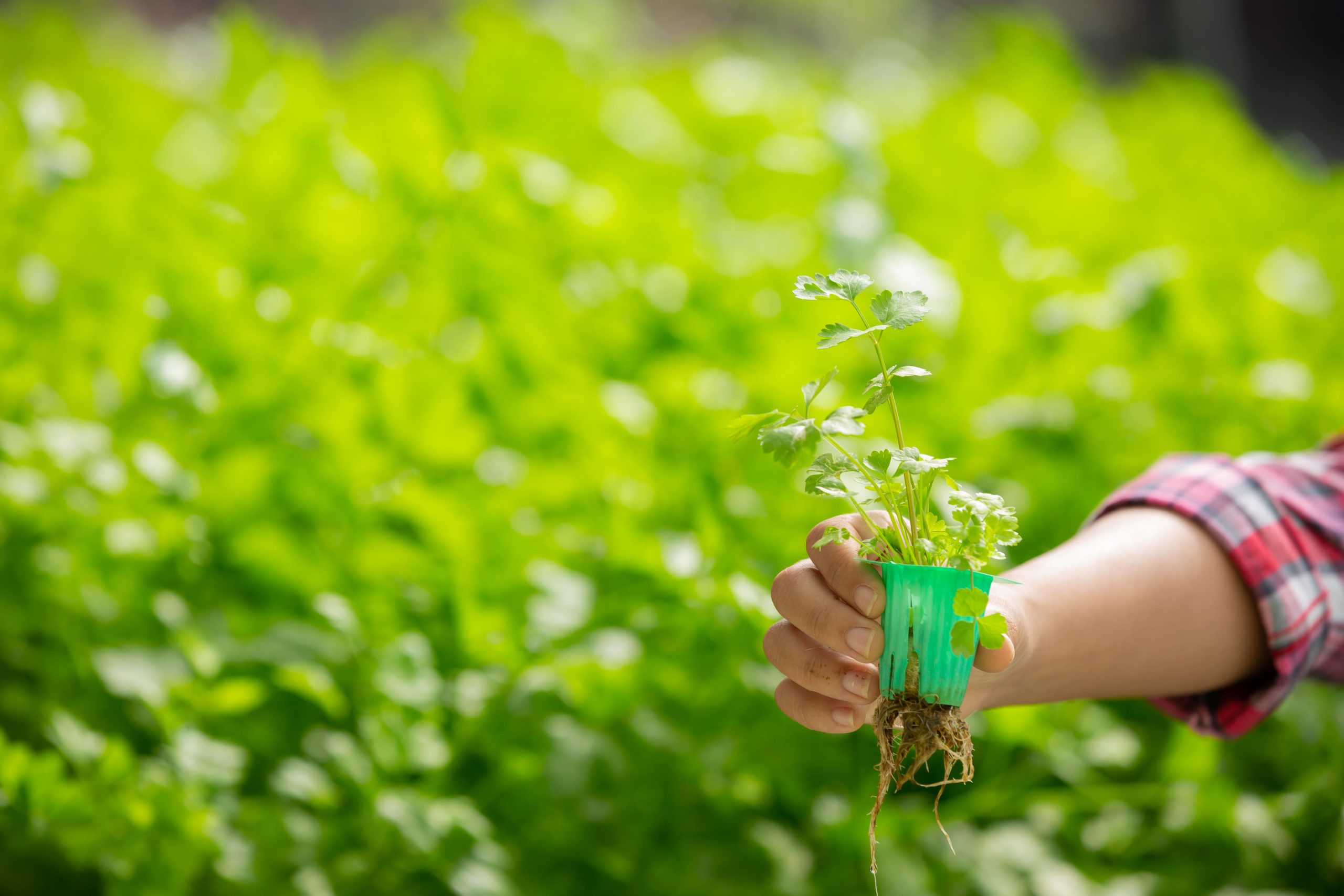
Saudi Arabia’s food security strategy focuses on reducing reliance on food imports by boosting local production of vegetables, fruits, and fodder crops using modern farming methods. Greenhouse farming, hydroponics, and protected agriculture clusters in regions such as Al Qassim, Riyadh, and Tabuk are increasing the need for water-soluble fertilizers, micronutrients, and specialty crop protection products. Commercial farms are investing in yield-optimization solutions to improve output per hectare, driving consistent demand for advanced agrochemical inputs.
Expansion of Controlled-Environment and Precision Agriculture
The rapid adoption of climate-controlled greenhouses and smart irrigation systems is reshaping agrochemical consumption patterns. Farmers are increasingly using fertigation-compatible fertilizers and targeted pest-control solutions to minimize wastage and improve nutrient-use efficiency. Precision spraying technologies and data-driven crop monitoring are encouraging the use of more specialized formulations, including bio-stimulants and low-residue pesticides, supporting a gradual shift toward higher-margin product categories.
Rising Commercial Farming and Agribusiness Investments
Large agribusinesses and agri-tech startups are expanding operations across desert farming zones and peri-urban farming clusters to supply domestic retail chains. These commercial farms typically adopt standardized input protocols and long-term supplier contracts, benefiting organized agrochemical distributors. The growth of modern retail and contract farming arrangements is creating more predictable and structured demand for fertilizers and crop protection products.
Government-Led Initiatives Supporting Sustainable Agriculture
The Saudi government continues to promote efficient water use, sustainable agriculture, and domestic food production under Vision 2030. Subsidies for smart irrigation systems, greenhouse development programs, and financing support through agricultural development funds are indirectly accelerating agrochemical consumption. In parallel, regulatory emphasis on residue limits and environmental safety is encouraging gradual adoption of bio-based pesticides and environmentally safer formulations. Sustainability-linked initiatives are also prompting farms to move toward balanced nutrient management rather than excessive use of conventional fertilizers.
Market Competition and Import Dependency
The KSA agrochemical market remains highly import-dependent, particularly for specialty fertilizers, crop protection chemicals, and bio-based formulations. Global multinationals and regional distributors dominate the organized segment, while local players focus mainly on blending, packaging, and distribution. High reliance on imports exposes the market to currency fluctuations, global supply chain disruptions, and price volatility. However, growing demand is encouraging select players to explore local formulation and packaging facilities to reduce lead times and improve supply reliability.
Water Scarcity and Regulatory Pressures
Water scarcity remains a structural constraint on large-scale cultivation in Saudi Arabia, limiting the total addressable agricultural area. In addition, tighter regulations around chemical residues and environmental safety may restrict the usage of certain conventional pesticides over time. Compliance costs and registration requirements can slow the introduction of new products, particularly for smaller suppliers, creating barriers to rapid market entry.
Future Outlook
The KSA agrochemical market is expected to grow steadily through 2035, driven by controlled-environment agriculture, commercial farming expansion, and continued focus on domestic food security. By 2035, demand is expected to shift further toward specialty fertilizers, micronutrients, bio-stimulants, and low-toxicity crop protection products. Local formulation and packaging capacities are likely to expand, improving supply chain resilience and supporting faster product customization for greenhouse and precision-farming applications. While traditional field crop cultivation will remain constrained by climate and water availability, high-value horticulture and protected farming will be the primary demand engines for agrochemicals in the Kingdom.
Consultants at Nexdigm, in their latest publication “KSA Agrochemical Market Outlook to 2035”, analyzed the market by Product Type (Fertilizers, Crop Protection Chemicals, Bio-stimulants, Soil Conditioners), By Application (Greenhouse Crops, Open-Field Crops, Horticulture, Fodder Crops), and By Distribution Channel (Direct Sales to Large Farms, Agro-dealers, Cooperatives, Online Platforms). Nexdigm believes that businesses should prioritize specialty and water-efficient nutrient solutions, strengthen technical advisory services for commercial farms, and explore local formulation partnerships to reduce import dependency and improve responsiveness to Saudi Arabia’s evolving agricultural landscape.
To take the next step, simply visit our Request a Consultation page and share your requirements with us.
Harsh Mittal
+91-8422857704