
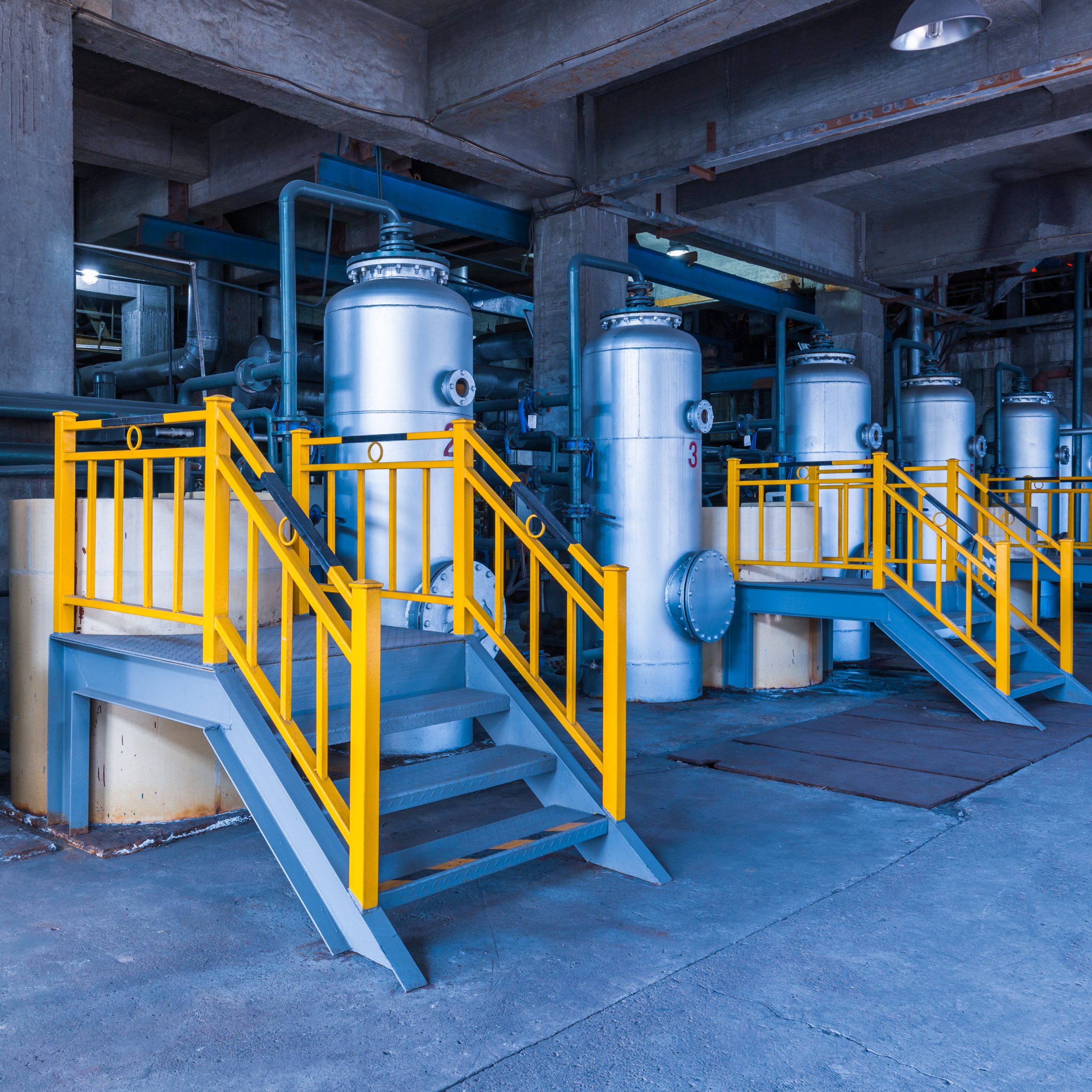
Saudi Arabia’s industrial transformation is creating strong demand for air separation units (ASUs), which produce essential industrial gases such as oxygen, nitrogen, and argon. These gases support sectors ranging from refining and petrochemicals to healthcare, steel manufacturing, and emerging clean-energy projects. As the Kingdom accelerates economic diversification under Vision 2030, investments in large-scale industrial and infrastructure developments continue to increase. Growing manufacturing activity, expanding healthcare requirements, and the rise of hydrogen-related projects are positioning the KSA Air Separation Unit Market as an important component of the country’s industrial ecosystem.
Market Drivers Advancing the KSA Air Separation Unit Industry
Industrial Diversification Fueling Demand for Industrial Gases
Saudi Arabia is investing heavily in manufacturing, mining, and industrial cities to reduce reliance on crude oil revenues. Large industrial hubs such as Jubail and Yanbu continue to attract significant investments in refining, chemicals, and metals production. Industrial gases produced through ASUs are critical for welding, metal processing, petrochemical production, and refinery operations. With Saudi Arabia among the world’s largest petrochemical producers and home to major companies such as Saudi Aramco and SABIC, demand for oxygen and nitrogen remains strong across industrial operations.
Hydrogen Economy and Clean Energy Projects Creating New Opportunities
The Kingdom’s ambitious hydrogen strategy is becoming a major growth catalyst for air separation units. Green and blue hydrogen production facilities require large-scale oxygen generation systems to improve operational efficiency. Projects such as NEOM’s green hydrogen initiative are drawing global attention and stimulating investments in supporting infrastructure. Since air separation technology plays a crucial role in hydrogen production value chains, the expansion of hydrogen projects is expected to generate substantial demand for advanced ASU installations across Saudi Arabia.
Rising Healthcare and Infrastructure Development
Saudi Arabia’s growing population and healthcare investments are increasing medical oxygen consumption. Hospitals, healthcare centers, and emergency care facilities require a reliable oxygen supply, creating opportunities for industrial gas suppliers. At the same time, construction megaprojects, transportation networks, and smart-city developments are driving steel fabrication and manufacturing activities, both of which depend heavily on industrial gases generated through air separation processes.
Government Initiatives Supporting the KSA Air Separation Unit Industry
Saudi Vision continues to encourage foreign investment, industrial localization, and advanced manufacturing capabilities. Government-backed initiatives supporting mining, clean energy, petrochemicals, and industrial infrastructure are creating favorable conditions for ASU deployment. Major economic development projects including NEOM, industrial clusters, and logistics zones are further strengthening demand for industrial gases, encouraging both domestic and international players to expand production capacity within the Kingdom.
Competitive Landscape of the KSA Air Separation Unit Industry
The KSA Air Separation Unit Market features a combination of global industrial gas leaders and regional suppliers. Key participants include Air Products, Linde, Air Liquide, Gulf Cryo, and other specialized industrial gas companies operating through long-term supply agreements. Competition is increasingly focused on energy efficiency, technological innovation, reliability of gas supply, and strategic partnerships with large industrial and hydrogen-related projects. Companies are also investing in advanced cryogenic technologies to enhance operational performance and reduce costs.
Challenges Facing the Saudi Air Separation Unit Sector
High Capital and Energy Requirements
Air separation units require significant upfront investment and consume substantial amounts of electricity during operation. Fluctuations in energy costs and project financing considerations can influence investment decisions for new installations.
Technical Complexity and Maintenance Demands
Operating large-scale ASUs requires specialized engineering expertise and rigorous maintenance practices. Any operational disruptions can affect downstream industries that depend on a continuous supply of oxygen, nitrogen, or argon, making reliability a critical challenge for market participants.
Future Outlook
The future of the Saudi air separation unit industry appears highly promising as industrial diversification, hydrogen development, healthcare expansion, and infrastructure investments continue to gain momentum. Growing demand for industrial gases across both traditional and emerging sectors will support new ASU installations and technology upgrades. As the Kingdom advances toward becoming a global manufacturing and clean-energy hub, air separation units will remain a critical enabling technology. Companies that focus on energy-efficient operations, strategic partnerships, and innovative gas production solutions are likely to benefit most from the market’s long-term expansion trajectory.
Consultants at Nexdigm, in their latest publication “KSA Air Separation Unit Market Outlook to 2035” analyze the sector By ASU Plant Technology (Low-Pressure Distillation Columns, Multi-Stage Expansion Turbines and Plate-Fin Heat Exchangers), By End-User Industrial Vertical (Enhanced Oil Recovery, Well Stimulation Services and Pipeline Inerting Operations) and By Distribution and Supply Model (On-Site Pipeline Supply and Merchant Liquid Bulk Delivery).
Nexdigm suggests that businesses in “KSA Air Separation Unit Industry” focusses on oilfield, desalination, construction, and industrial applications, strengthen local warehousing, develop application-specific grades, improve technical support, and build resilient sourcing networks to serve expanding energy, water, and manufacturing demand.
To take the next step, simply visit our Request a Consultation page and share your requirements with us.
Harsh Mittal
+91-8422857704