
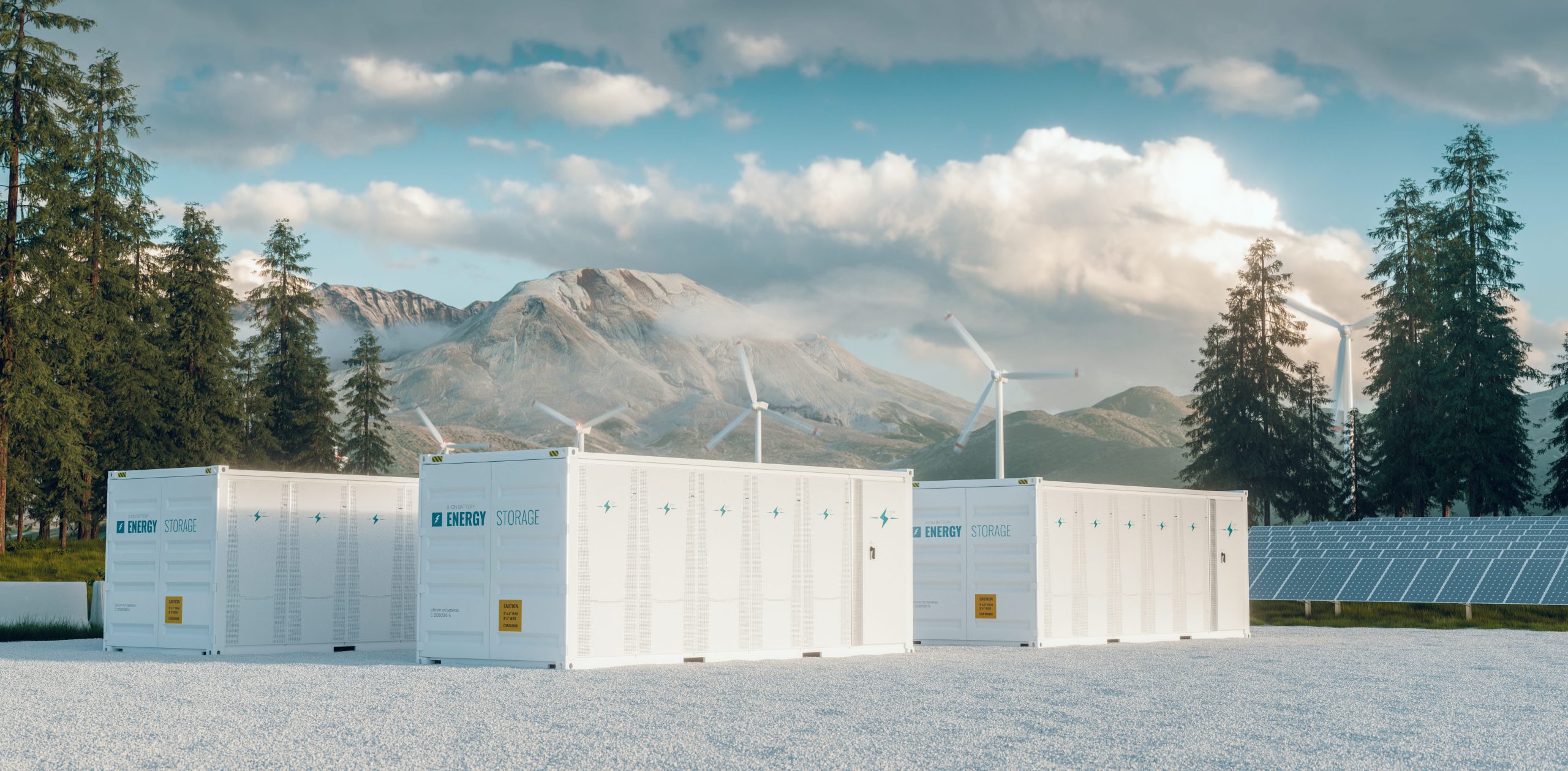
Saudi Arabia’s power sector is entering a very different phase from where it stood even five years ago. The conversation is no longer just about adding renewable energy capacity. It is increasingly about how to make that capacity usable, reliable, and commercially practical at scale. That is where Battery Energy Storage Systems, or BESS, are starting to matter a lot more in the Kingdom. As of 2026, Saudi Arabia is moving beyond demonstration projects and into utility scale storage deployments tied to national energy goals, large solar developments, and high profile infrastructure projects. With the country targeting a much larger renewable share in its power mix by 2030, storage is becoming less of an optional add on and more of a requirement for a modern grid.
What’s Driving the Battery Energy Storage System Market in KSA?
Rising Renewable Energy Capacity Is Creating a Need for Storage
One of the clearest growth drivers is the speed at which Saudi Arabia is pushing solar and wind capacity into the grid. Renewable power looks attractive on paper, but in practice it creates a balancing challenge. Solar generation peaks during the day, while electricity demand often stretches well into the evening, especially during the long summer months. Battery systems help bridge that gap. They store excess electricity when supply is high and release it when the grid needs support most.
High Cooling Driven Electricity Demand Is Putting Pressure on the Grid
Another important factor is the Kingdom’s electricity consumption pattern. Saudi Arabia has one of the highest cooling driven demand profiles in the region, which means the grid faces serious pressure during hot weather and peak daytime usage. For utilities, storage offers a more flexible solution than simply overbuilding generation assets. It can help reduce strain on substations, smooth out fluctuations, and improve overall system responsiveness. That may sound technical, but on the ground it translates into fewer bottlenecks and better reliability.
Mega Projects Are Creating Localized Demand for Battery Storage
Then there is the role of mega projects. NEOM, the Red Sea Project, and other new developments are not being built like conventional cities or industrial zones. Many are designed around renewable energy, microgrids, and digital infrastructure from day one. In such environments, battery storage is not just useful for backup power. It becomes part of how the entire energy system functions.
Government-Led Initiatives Supporting BESS Adoption
The government has played a direct role in shaping this market, and that is unlikely to change anytime soon. Through entities such as Saudi Electricity Company and Saudi Power Procurement Company, the Kingdom has started introducing large scale battery storage tenders tied to grid reliability and renewable integration. This matters because storage projects are still capital intensive and technically complex. Without state backed procurement and policy support, private adoption would likely move much slower. Saudi Arabia’s current approach suggests it wants to create demand first and let local capability build around it later. That is a practical route, even if it means the market remains import dependent in the near term.
Market Competition
At this stage, the KSA BESS market is still relatively concentrated. Large public utilities, international battery suppliers, EPC firms, and a handful of regional energy developers are leading the activity. Companies such as Saudi Electricity Company, BYD, ACWA Power, and Alfanar are becoming increasingly visible in project announcements and implementation discussions. Still, competition is not only about who can supply battery packs at scale. In Saudi Arabia, project execution also depends on who can engineer systems that can survive heat, dust, and long operating cycles without performance dropping too quickly. That is where some players will stand out and others may struggle.
High Dependence on Imported Technology
A major weakness in the market today is the heavy reliance on imported battery cells, inverters, thermal systems, and software controls. Saudi Arabia has strong ambitions in energy, but local manufacturing in advanced storage technologies is still at an early stage. That creates a few real world problems. Supply chains remain vulnerable, project costs can swing with global pricing, and deployment timelines often depend on overseas vendors. There is also the issue of climate suitability. Batteries do not always perform well in extreme heat unless cooling systems are carefully designed, and that adds cost many early forecasts tend to underplay.
Future Outlook
Looking ahead to 2035, the Saudi BESS market has room to become one of the largest in the region, but the path will not be linear. Growth will likely come first from utility scale installations, then gradually spread into industrial sites, commercial facilities, and remote energy applications. The more interesting shift may be structural rather than just volumetric. Over time, Saudi Arabia could move from being a buyer of imported systems to becoming a more capable integrator and assembler of storage technologies within the region. That would make commercial sense, especially if the Kingdom wants to support both domestic deployment and export opportunities across the Gulf.
Consultants at Nexdigm, in their latest publication “KSA Battery Energy Storage System (BESS) Market Outlook to 2035”, analyzed the market by Battery Chemistry (Lithium ion, Sodium ion, Flow Batteries, Others), By Application (Utility Scale, Commercial and Industrial, Renewable Integration, Backup Power, Microgrids), and By End User (Utilities, Industrial Facilities, Commercial Establishments, Infrastructure Projects). Nexdigm believes that companies entering this space should focus on utility partnerships, localized execution capability, and system designs that can perform reliably under Saudi operating conditions.
To take the next step, simply visit our Request a Consultation page and share your requirements with us.
Harsh Mittal
+91-8422857704