
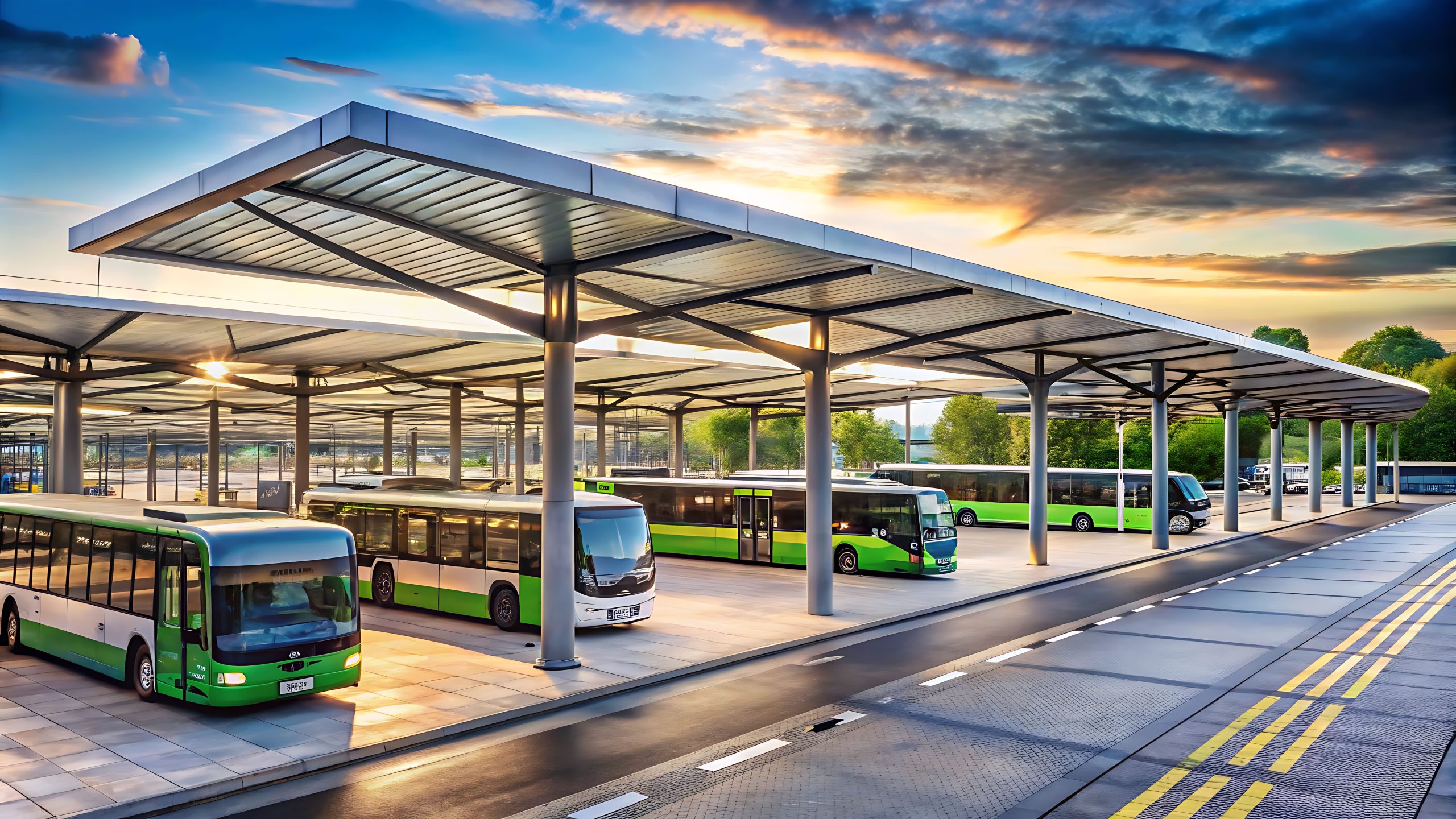
Saudi Arabia’s public transport story is changing faster than many people expected. For years, mobility in the Kingdom was largely built around private vehicles, but that is no longer the full picture. As of 2026, electric buses are beginning to move from pilot conversations into actual fleet decisions, especially in cities where congestion, air quality, and public transport access are becoming harder to ignore. The KSA electric bus market is still small in absolute terms, but the direction is clear. Demand is starting to take shape around city transit, religious travel, and new urban developments that want cleaner transport from day one. In many ways, this is less about replacing diesel overnight and more about building a future-ready transport system while the infrastructure is still being designed.
What’s Driving the Electric Bus Market in KSA?
Public Transport Modernization Under Vision 2030
One of the strongest push factors is Saudi Arabia’s broader effort to make public transport more relevant. Vision 2030 has put real weight behind improving urban mobility, and buses are central to that shift. Cities such as Jeddah and Madinah are already seeing investments in better route planning, larger fleets, and cleaner vehicles. Electric buses fit naturally into that plan because they solve two problems at once: lower emissions and lower operating noise. That matters more than it sounds, especially in dense urban corridors where diesel fleets can quickly become a public nuisance.
Pilgrimage Transport as a Unique Demand Driver
There is also a very Saudi-specific use case that makes this market different from many others: pilgrimage transport. Every year, millions of visitors move through Makkah and Madinah, often within short, repetitive, high-demand routes. On paper, that is an ideal environment for electric buses. Fixed routes, predictable travel windows, and high passenger turnover all work in favor of electrification. In practice, though, operators need buses that can handle extreme heat, long daily operating hours, and intense seasonal pressure without performance issues. That is where vehicle quality starts to matter more than brochure claims.
Giga Projects and Tourism-Led Mobility Demand
Then there is the role of giga-projects and tourism-led development. Places like NEOM, the Red Sea, and Diriyah are not being built around old transport assumptions. These projects want quieter, cleaner, and more controlled mobility systems, especially for internal shuttles and short-haul passenger movement. Electric buses are a sensible fit here, not because they are trendy, but because they work well in contained, planned environments where charging can be built into the transport design from the start.
Government-Led Initiatives Supporting Market Development
The government has been the main force behind early adoption, and frankly, that is not surprising. In most emerging electric bus markets, public sector backing comes first because private operators rarely move unless the economics are obvious. In Saudi Arabia, transport authorities and public mobility programs are already testing cleaner bus fleets and building the case for wider rollout. Charging infrastructure is also slowly becoming part of the conversation rather than an afterthought. That matters because buses are not like passenger EVs. They need depot planning, route-specific charging logic, and maintenance support that many cities are still learning how to manage. On the ground, the challenge is not just buying electric buses. It is making sure they actually stay on the road.
Market Competition
Competition in the KSA electric bus market is still taking shape, but a few names are already visible. Yutong Bus, BYD, Zhongtong Bus, and Saudi Public Transport Company (SAPTCO) are among the players with a clear foothold or strategic relevance. Chinese manufacturers have a practical advantage here. They already have mature electric bus platforms, pricing flexibility, and operating experience in markets where cost and durability matter more than branding. That said, this market is not won by selling vehicles alone. Suppliers that can offer charging support, battery servicing, and long-term maintenance will likely have the upper hand. In transport procurement, reliability usually beats flashy specifications.
Charging Infrastructure and High Upfront Costs
The biggest hurdle remains cost. Electric buses still carry a much higher upfront price than conventional diesel fleets, and that can slow procurement even when the long-term savings look attractive. For many operators, especially those outside major government-backed programs, the capital burden is real. Saudi Arabia’s climate adds another layer of complexity. High temperatures affect battery performance, cooling efficiency, and range consistency. A common challenge is that vehicles tested under ideal lab conditions do not always perform the same way in Gulf operating environments. That gap between theory and field performance will shape buyer confidence more than marketing ever will.
Makkah Launches Region’s First Fully Electric BRT Network Under Masar Project
A notable recent development for the KSA electric bus market is the launch of the Masar electric BRT network in Makkah, which has been described in multiple recent reports as the first fully electric bus rapid transit system in Saudi Arabia and the wider Middle East. The project connects key hubs through dedicated lanes, includes two main stations and 11 stops, and has been designed to serve more than 5 million visitors and pilgrims annually. This is important because it moves the market beyond pilot deployment and into visible, large-scale public use, especially in one of the Kingdom’s highest-footfall transport corridors.
Future Outlook
The KSA electric bus market has room to become meaningful by 2035, but the pace will depend less on ambition and more on execution. The strongest adoption is likely to come from urban transit systems, pilgrimage corridors, and closed-loop developments where routes are predictable and charging can be planned properly. Those are the segments where electric buses make the most practical sense today.
Consultants at Nexdigm, in their latest publication “KSA Electric Bus Market Outlook to 2035”, analyzed the market by Bus Type (Battery Electric Bus, Plug in Hybrid Bus, Fuel Cell Electric Bus), By Application (City Transit, Intercity Transport, Pilgrimage Transport, Tourism & Shuttle Services), and By End User (Government Transport Authorities, Private Fleet Operators, Smart Cities & Mega Projects). Nexdigm believes that companies looking to enter this space should focus less on volume chasing and more on technical fit, service capability, and vehicles designed for Saudi operating realities.
To take the next step, simply visit our Request a Consultation page and share your requirements with us.
Harsh Mittal
+91-8422857704