
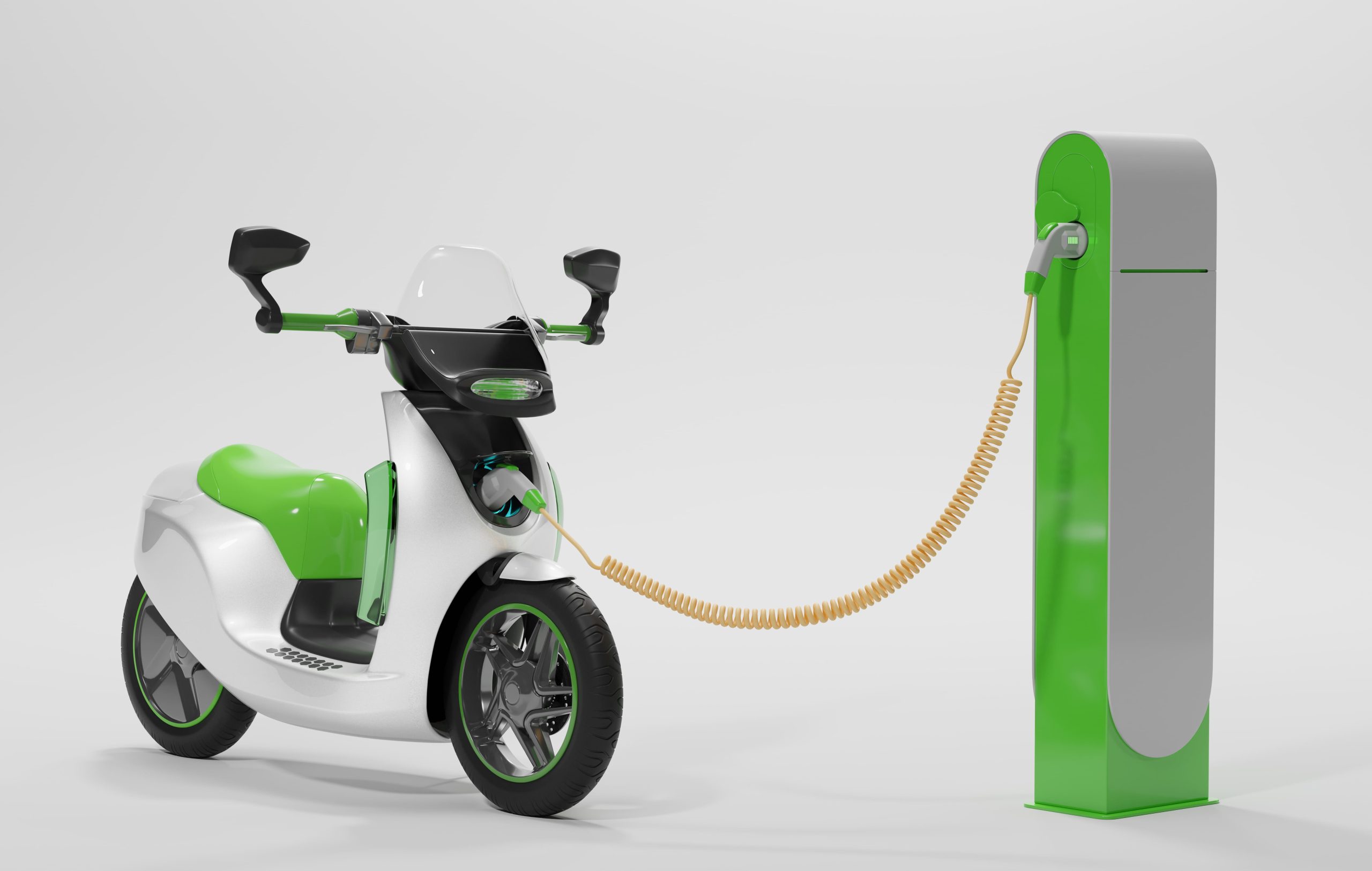
Saudi Arabia’s mobility story is slowly becoming more interesting than just electric cars. While most of the attention still goes to passenger EVs and luxury clean mobility projects, electric two-wheelers are starting to find their own place in the market. The shift is not dramatic yet, but it is visible. In dense urban pockets across Riyadh, Jeddah, and Dammam, electric scooters and motorcycles are becoming more relevant for short commutes, delivery operations, and low-cost commercial use. As of 2026, the segment remains small compared to Asian markets, but the use case in Saudi Arabia is becoming clearer. Rising delivery volumes, growing interest in affordable mobility, and the gradual buildout of EV infrastructure are all helping the category move beyond novelty and into practical use.
What’s Driving the Electric Two-Wheeler Market in KSA?
Delivery Platforms Are Creating a Clear Commercial Use Case
One of the clearest demand drivers is the rapid rise of app-based delivery and last-mile logistics. Saudi Arabia’s food delivery and quick commerce sectors have expanded sharply over the past few years, and two-wheelers fit naturally into that model. For delivery operators, electric scooters make sense on paper and increasingly in practice. They cost less to run, require fewer service interventions than fuel-based alternatives, and are better suited for frequent stop-start city movement. For a fleet manager trying to reduce operating cost per trip, that matters more than brand image.
Urban Commuters Are Looking for Practical, Low-Cost Mobility
Urban mobility is also changing at the consumer level, even if slowly. Younger riders and first-time vehicle buyers are showing interest in lower-cost transport that feels modern but still practical. An electric scooter is not trying to replace a car in Saudi Arabia. That is not realistic for most households. What it can do is serve a very specific role: quick neighborhood travel, campus movement, short retail trips, or commuting in areas where parking and congestion are becoming everyday irritants. That narrow use case may actually be the category’s strength.
Better Batteries and More Product Choices Are Improving Adoption
Then there is the product side of the equation. Battery performance, range, and charging speed have all improved enough to make electric two-wheelers more usable than they were just a few years ago. Imported models from Asia and Europe are widening consumer choice, and that matters in an early-stage market. Still, one common challenge on the ground is whether these vehicles can consistently handle Saudi Arabia’s climate. Extreme heat may not kill adoption, but it definitely raises questions around battery longevity and daily reliability.
Government-Led Initiatives Supporting Electrification
The Saudi government is not directly subsidizing electric scooters in the same way some Asian markets have done, but broader EV and sustainability policies are creating useful tailwinds. Vision 2030 has already pushed mobility, clean energy, and industrial diversification higher up the agenda. In that environment, smaller electric formats naturally benefit from the same infrastructure and policy momentum. The bigger signal comes from Saudi Arabia’s effort to establish itself as a serious EV market overall. Investments tied to EV manufacturing, charging networks, and clean transport adoption are helping normalize electric mobility in the public mind. That may sound intangible, but consumer behavior often shifts only after the category feels familiar and credible.
Market Competition and Industry Structure
At this stage, the KSA electric two-wheeler market is still fragmented and heavily dependent on imports. A mix of international brands, local distributors, and fleet-focused mobility providers currently make up the competitive landscape. Most of the real activity is in commercial use rather than personal ownership, which is typical for a market still testing product-market fit. What will likely separate winners from the rest is not just vehicle pricing. It will be after-sales support, battery servicing, spare parts availability, and financing. In emerging categories, poor service can damage confidence much faster than weak marketing.
Limited Charging Penetration and Consumer Awareness
The biggest hurdle is not demand alone. It is trust. Many consumers in Saudi Arabia still associate EVs with premium cars, not two-wheelers. That creates a perception gap. People may understand the concept of electric mobility, but not necessarily how or where an e-scooter fits into everyday life. Charging access is another issue. While many electric two-wheelers can be charged at home or at commercial hubs, public infrastructure for smaller EV formats is still limited. For delivery fleets, that may be manageable. For private users, convenience often determines adoption.
Future Outlook
The KSA electric two-wheeler market has room to grow, but the story is likely to unfold through commercial adoption first and consumer demand second. Delivery fleets, rental operators, and institutional users will probably remain the main volume drivers over the next several years. If charging access improves and product reliability holds up under local conditions, broader retail uptake could follow. By 2035, the category should look more structured than it does today, with stronger distributor networks, more financing options, and clearer buyer segments. It may never become a mass mobility segment in the way it has in India or Southeast Asia, but that does not mean it will stay niche. In Saudi Arabia, practical utility often shapes mobility trends more than hype does.
Consultants at Nexdigm, in their latest publication “KSA Electric Two-Wheeler Market Outlook to 2035”, analyze the market by Vehicle Type (Electric Scooters, Electric Motorcycles, Mopeds), By Battery Type (Lithium-ion, Lead Acid, Others), By End User (Personal, Commercial/Fleet), and By Region (Riyadh, Jeddah, Dammam, Rest of KSA). Nexdigm believes that businesses should focus on fleet partnerships, durable battery performance in high-temperature conditions, dependable service support, and commercial use cases with clear cost advantages to build a sustainable presence in this market.
To take the next step, simply visit our Request a Consultation page and share your requirements with us.
Harsh Mittal
+91-8422857704