
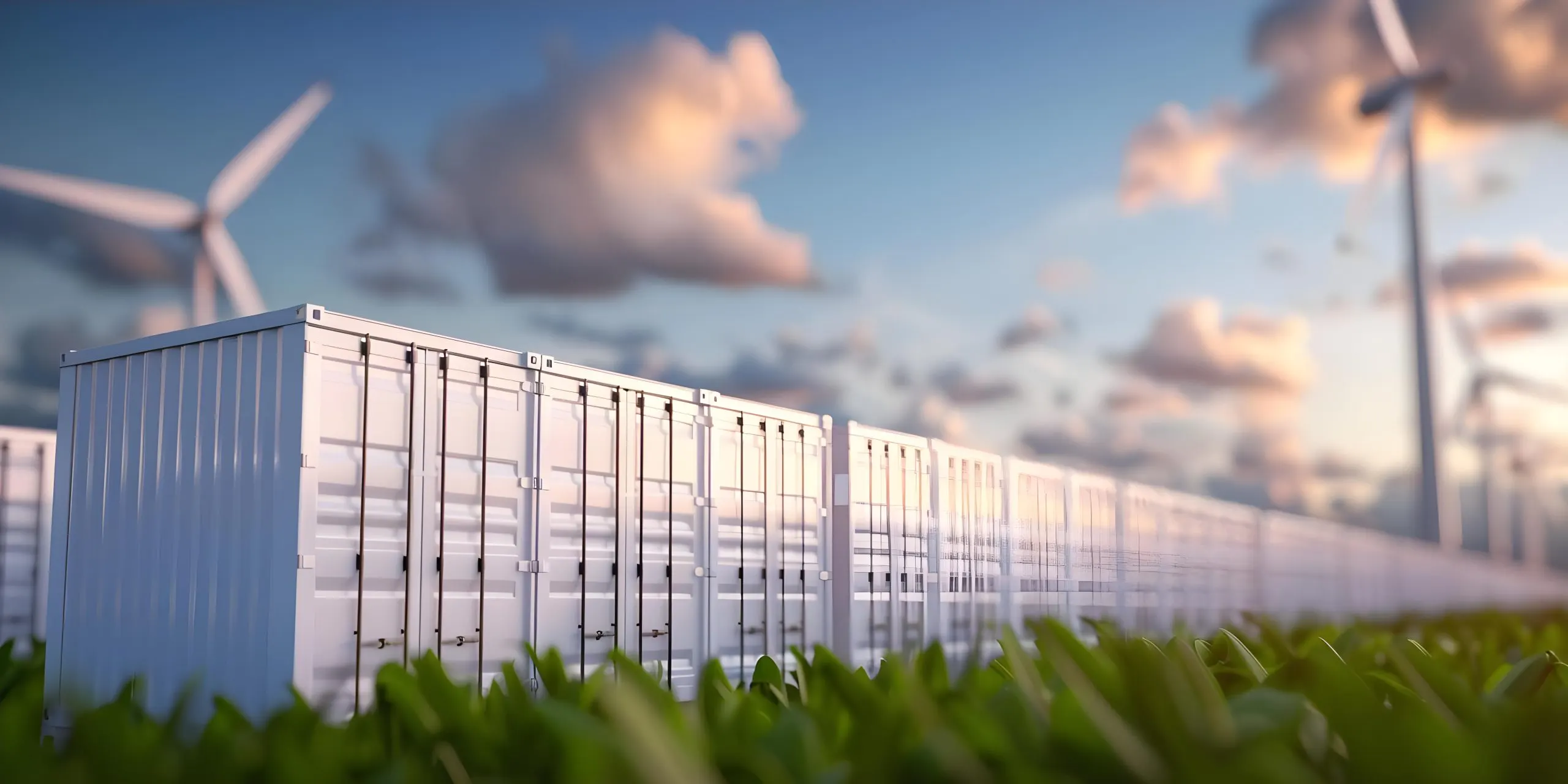
The KSA energy storage market is gaining momentum as Saudi Arabia expands renewable energy and upgrades its electricity infrastructure. Storage systems will be essential for balancing solar and wind power, reducing pressure on the grid, and improving overall power reliability. Saudi Arabia aims to generate 50% of its electricity from renewable sources in the coming years, which will increase the need for battery energy storage and other flexible power solutions. The Kingdom is also targeting 48 GWh of battery energy storage capacity by next decade, creating a strong base for long-term market growth. In coming years, energy storage is expected to become a core part of Saudi Arabia’s clean power infrastructure. This growth will create opportunities for battery suppliers, EPC firms, utilities, investors, and grid technology providers.
Key Factors Driving Energy Storage Growth in KSA
Renewable Energy Expansion and Grid Flexibility
Saudi Arabia’s energy storage market is mainly driven by the rapid expansion of solar and wind power. As the Kingdom works toward its target of renewable electricity, storage will be needed to manage intermittency and balance electricity supply with demand. Battery systems can store excess renewable power during high-generation periods and release it when demand rises or generation falls, making storage essential for grid stability, peak load management, and renewable integration.
Rising Power Demand and Improving Storage Economics
Saudi Arabia’s power sector is transforming under Country’s Vision, with industrial growth, population expansion, cooling demand, data centers, and giga-projects increasing the need for reliable electricity. The Kingdom is targeting 48 GWh of battery energy storage capacity in the coming years, showing strong long-term market potential. Falling battery costs, improvements in lithium-ion and long-duration storage technologies, and the need to reduce renewable curtailment are making storage more practical for utility-scale and industrial applications.
Government Support towards growing KSA Energy Storage Market
Government support is a major force behind the growth of the KSA energy storage market. Saudi Arabia’s Vision, National Renewable Energy Program, and Saudi Green Initiative are helping shift the power sector toward cleaner and more reliable electricity. The Ministry of Energy’s goal to make renewables around 50% of the electricity production mix by coming decade increases the need for storage across the grid. The Kingdom’s 48 GWh battery storage target shows a clear commitment to grid flexibility and renewable integration. Public procurement, utility-scale tenders, and long-term power agreements are expected to attract private and international investment. These initiatives will help create a stronger market for battery storage, grid services, and hybrid renewable projects. As storage policies mature, investors and technology providers will gain better visibility on future project opportunities.
Competitive Insights of KSA Energy Storage Market
The KSA energy storage market includes utilities, battery manufacturers, renewable energy developers, EPC contractors, grid technology firms, and infrastructure investors. Key participants are expected to include Saudi Power Procurement Company, ACWA Power, Saudi Electricity Company, Public Investment Fund-backed entities, and global technology suppliers. International battery and inverter companies are likely to play a larger role as project sizes increase. Competition will focus on storage duration, battery safety, lifecycle cost, climate resilience, grid integration capability, and financing strength. Partnerships between Saudi companies and global storage specialists will remain important as the market scales. Companies that can deliver reliable, cost-effective, and climate-resilient storage systems will be better positioned for future growth.
Barriers affecting KSA’s Energy Storage Market
High Costs, Technology Selection, and Supply Chain Risks
The KSA energy storage market still faces challenges related to high upfront costs, technology selection, and supply chain uncertainty. Large-scale battery projects require major investment in cells, inverters, control systems, thermal management, land, safety systems, and grid interconnection. Dependence on critical minerals and imported battery components may also affect pricing, delivery timelines, and long-term project planning.
Harsh Climate and Evolving Market Rules
Saudi Arabia’s hot climate can affect battery performance, cooling requirements, and operating costs, making system design and maintenance especially important. Grid integration can also be complex as storage must work smoothly with renewable projects, transmission systems, and utility operations. Clearer rules around storage ownership, tariffs, ancillary services, and revenue models will be needed to support wider commercial adoption.
Future Outlook
As we move ahead, the KSA energy storage market is expected to become one of the most important parts of Saudi Arabia’s clean energy transition. Growth will be supported by the 50% renewable electricity target in the coming years, large solar and wind projects, grid modernization, and the national 48 GWh battery storage target. Utility-scale batteries, hybrid renewable projects, and long-duration storage systems are expected to gain wider adoption. Storage will help Saudi Arabia improve grid stability, reduce renewable curtailment, and support reliable low-carbon electricity supply. With strong policy support, falling technology costs, and growing private-sector participation, Saudi Arabia could become one of the region’s leading energy storage markets in future. The market’s success will depend on clear regulations, strong project execution, and continued investment in grid-ready storage solutions.
Consultants at Nexdigm, in their latest publication KSA Energy Storage Market Outlook to 2035 analyze the sector by Fitment Type (Cloud based platforms, Web based platforms, Integrated platforms, Mobile Storage Solutions, On premise Solutions), by End User segment (Energy and Utilities, Transportation and Mobilities, Government and Public Services).
Nexdigm suggests that businesses should strategically evaluate opportunities in Saudi Arabia’s energy storage market by aligning investments with country’s vision, renewable energy targets, and grid modernization plans. Companies should focus on scalable storage solutions, technology partnerships, regulatory readiness, and cost-efficient project models to capture long-term growth in the evolving clean energy sector.
To take the next step, simply visit our Request a Consultation page and share your requirements with us.
Harsh Mittal
+91-8422857704