
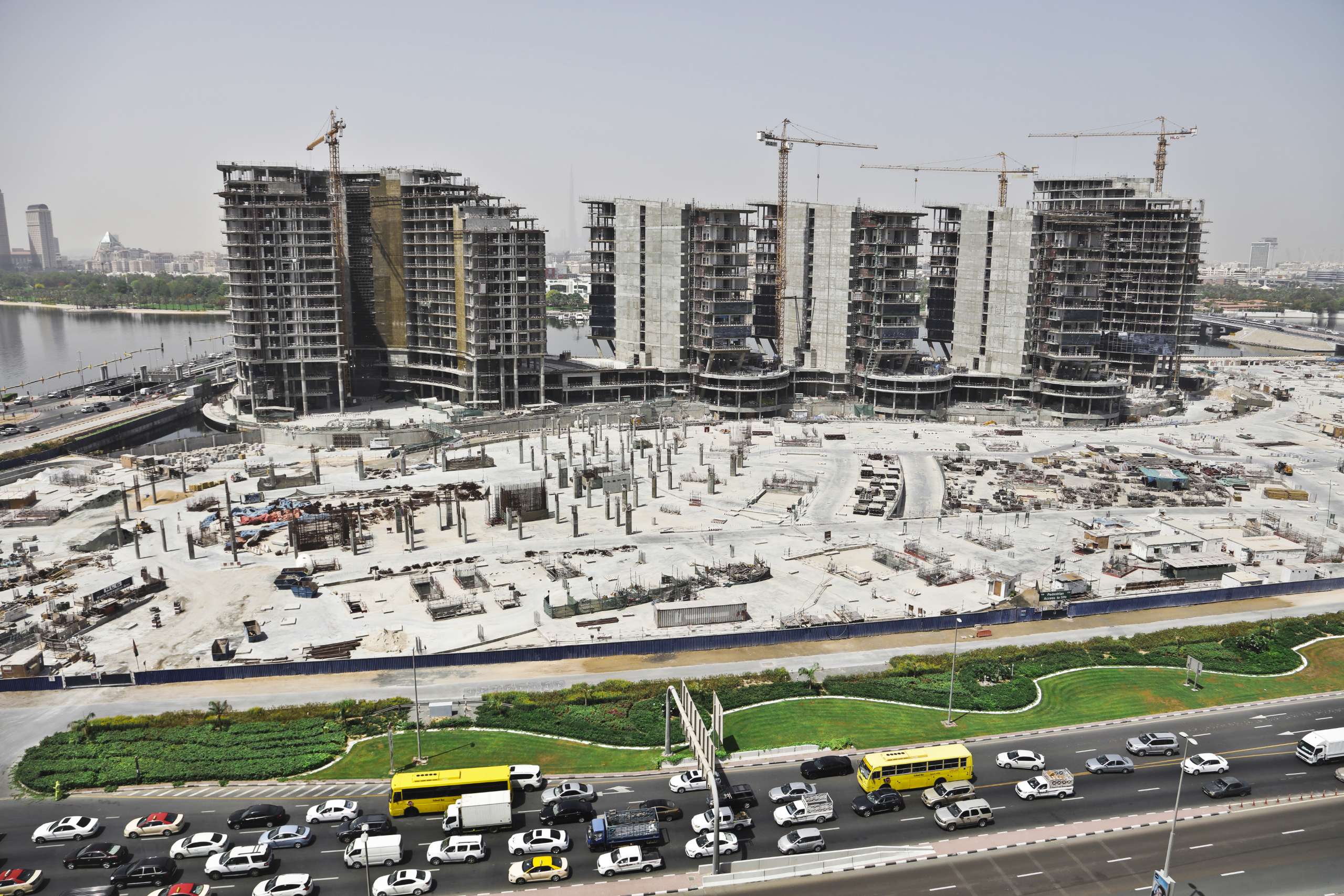
Saudi Arabia’s green cement market is witnessing strong growth as the Kingdom advances its economic diversification and sustainability goals under Vision 2030. The country currently has a construction project pipeline valued at more than USD 1 trillion, covering smart cities, transportation networks, housing developments, industrial zones, and tourism infrastructure. Additionally, Saudi Arabia aims to develop over 130 GW of renewable energy capacity by 2030, creating substantial demand for sustainable building materials across energy and infrastructure projects. The construction sector remains one of the largest contributors to non-oil economic activity, while rapid urban development and large-scale giga-projects continue to increase cement consumption. As the Kingdom accelerates its transition toward lower-carbon construction practices and resource-efficient infrastructure, green cement is emerging as a critical material for reducing embodied carbon emissions while supporting long-term development objectives.
Key Market Drivers for KSA’s Green Cement Industry
Mega-Projects and Infrastructure Development Drive Sustainable Material Demand
Saudi Arabia’s massive infrastructure and urban development agenda is creating significant demand for sustainable construction materials. The Kingdom’s project pipeline exceeds USD 1 trillion, encompassing smart cities, tourism destinations, transportation corridors, industrial hubs, and mixed-use developments. Major developments are increasingly incorporating sustainability requirements and carbon-reduction targets, encouraging the use of green cement in large-scale construction. As infrastructure and real estate investments continue to expand, developers are seeking building materials that can reduce environmental impact while maintaining structural performance, durability, and cost efficiency.
Net-Zero Commitments and Renewable Energy Expansion Drive Demand for Low-Carbon Building Materials
Saudi Arabia’s commitment to achieving net-zero emissions by 2060 is encouraging industries to adopt cleaner technologies and lower-carbon materials. The Kingdom is targeting more than 130 GW of renewable energy capacity by 2030, with substantial investments in solar and wind power projects requiring significant construction activity. As sustainability becomes a key consideration in project planning and procurement, contractors and developers are increasingly evaluating materials based on lifecycle emissions. Green cement is benefiting from this transition as it helps reduce embodied carbon while supporting national climate and sustainability objectives.
Growing Housing Demand and Urban Expansion Increase Construction Activity
Saudi Arabia’s expanding population and rapid urban development continue to drive growth in residential and commercial construction. The Kingdom aims to achieve a 70% homeownership rate, supporting large-scale housing developments and increasing long-term cement demand. In addition, investments in economic zones, logistics hubs, healthcare facilities, educational institutions, and industrial parks are generating sustained construction activity. As sustainability standards become more prominent across the built environment, developers and contractors are increasingly seeking green cement solutions that align with environmental goals while delivering long-term durability and efficiency.
Government Support and Sustainability Initiatives Backed by Net-Zero Ambitions, Vision 2030 Programs, and Renewable Energy Expansion
Saudi Arabia is actively promoting sustainable construction through Vision 2030, carbon reduction initiatives, and large-scale infrastructure investments. The Kingdom has pledged to achieve net-zero emissions by 2060 and is targeting more than 130 GW of renewable energy capacity, driving demand for environmentally friendly construction materials. In addition, Saudi Arabia aims to generate approximately 50% of its electricity from renewable sources, while significant investments in smart cities, transportation corridors, industrial zones, and sustainable housing developments continue to support the adoption of low-carbon building solutions. These initiatives are creating favorable conditions for greater utilization of green cement across the construction sector.
Competitive Landscape Supported by Large-Scale Infrastructure Development and Rising Sustainable Construction Demand
Saudi Arabia’s green cement market is becoming increasingly competitive as developers prioritize low-carbon materials for projects valued at more than USD 1 trillion across infrastructure, tourism, residential, commercial, and industrial sectors. Market participants are investing in clinker reduction technologies, energy-efficient manufacturing processes, alternative raw materials, and circular economy practices to strengthen sustainability performance. Competition is primarily based on product quality, environmental credentials, production efficiency, technical expertise, and compliance with green building requirements. With growing demand for sustainable construction materials across giga-projects and urban developments, suppliers offering innovative and cost-effective green cement solutions are well positioned for long-term growth.
Major Challenges Facing KSA’s Green Cement Industry
High Production Costs and Capital-Intensive Manufacturing Processes
Green cement production requires significant investment in alternative raw materials, energy-efficient technologies, carbon-reduction systems, and advanced manufacturing processes. While Saudi Arabia’s construction sector continues to expand through projects worth more than USD 1 trillion, conventional cement often remains the more cost-competitive option for many developments. Maintaining affordability while meeting sustainability objectives remains a key challenge for manufacturers seeking to increase green cement adoption across residential, commercial, and infrastructure projects.
Limited Availability of Alternative Raw Materials and Market Awareness
The production of green cement depends on a reliable supply of supplementary cementitious materials such as industrial by-products and low-carbon additives. As demand for sustainable construction materials increases, securing consistent raw material supplies may become more challenging. In addition, despite growing sustainability awareness, many contractors and smaller developers continue to prioritize upfront costs over lifecycle environmental benefits. Expanding industry awareness, strengthening supply chains, and improving understanding of carbon-efficient construction materials will be essential to accelerating market penetration across Saudi Arabia.
Future Outlook
Saudi Arabia’s green cement market is poised for strong expansion, supported by a construction pipeline exceeding USD 1 trillion, growing renewable energy investments targeting more than 130 GW of capacity, and increasing adoption of sustainable building practices across major developments. The Kingdom’s objective of sourcing approximately 50% of its electricity from renewable sources and achieving net-zero emissions by 2060 is expected to accelerate demand for low-carbon construction materials. Additionally, rising housing developments, industrial zones, logistics hubs, and giga-projects will continue to increase cement consumption. As green building standards gain traction and developers strengthen ESG commitments, green cement is expected to play a critical role in reducing construction-related carbon emissions and supporting Saudi Arabia’s long-term sustainable infrastructure ambitions.
Consultants at Nexdigm, in their latest publication “ KSA Green Cement Market Outlook to 2035,” analyse the sector By Product Composition (Class F Fly Ash, Class C Fly Ash and High-Volume Fly Ash Concrete), By Distribution Model (Direct-To-Giga-Project Supply and Retail Building Material Hubs) and By Price Tier (Premium High-Efficiency Strength, Standard Eco-Blended and Bulk Commodity Low-Carbon).
Nexdigm suggests that businesses in Saudi Arabia’s Green Cement Industry focus on expanding low-carbon production capabilities, leveraging circular economy practices, and strengthening partnerships with infrastructure and sustainable development stakeholders to capitalize on the Kingdom’s growing demand for environmentally responsible construction materials and large-scale green building projects.
To take the next step, simply visit our Request a Consultation page and share your requirements with us.
Harsh Mittal
+91-8422857704