
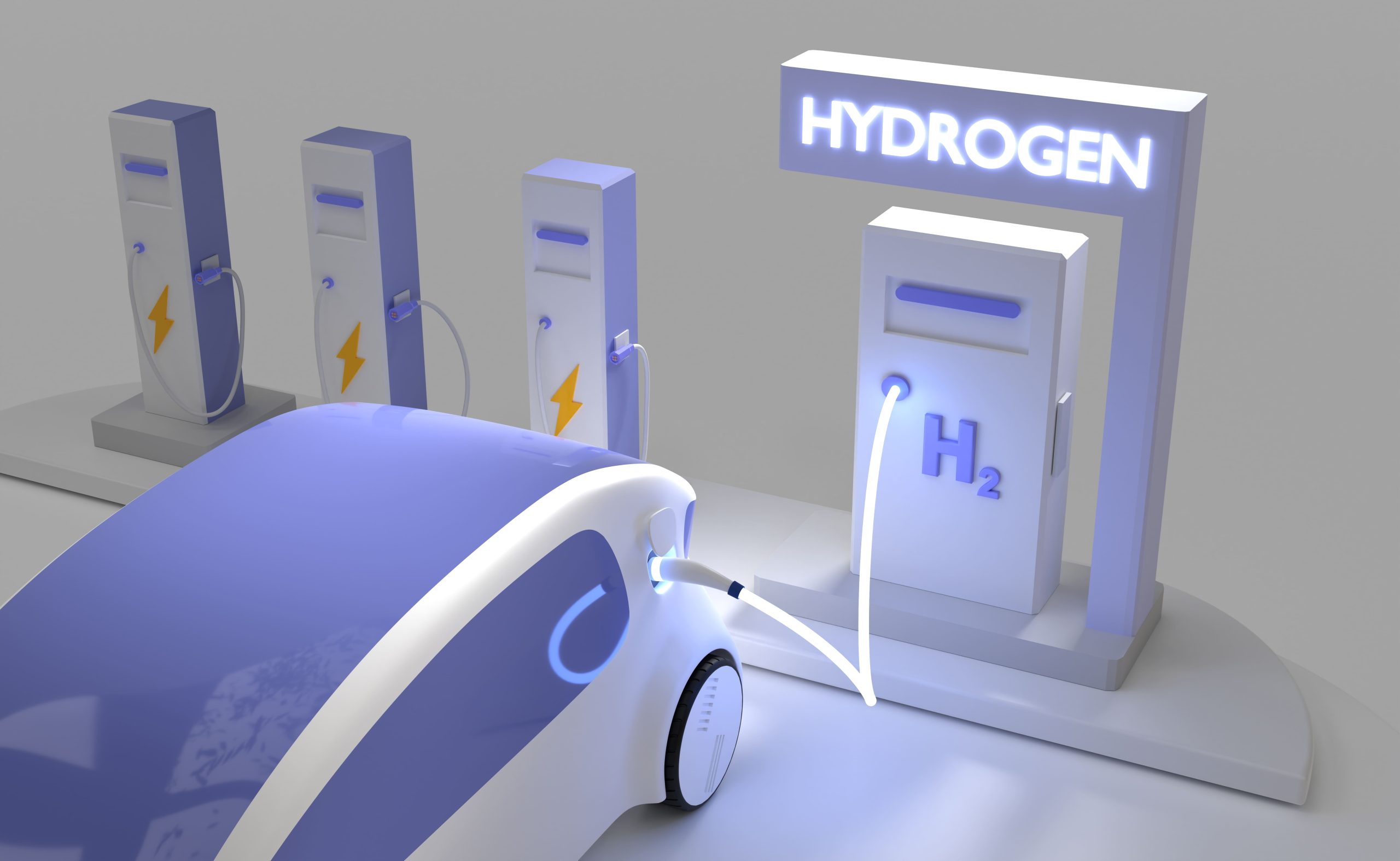
Saudi Arabia’s push toward hydrogen-powered mobility has moved from concept discussions to early on-ground trials. While electric vehicles still dominate the clean transport narrative globally, the Kingdom has taken a slightly different route by exploring hydrogen for segments where batteries fall short. Long-haul trucking, industrial transport, and public buses are the obvious candidates. The broader backdrop is clear. Under Vision 2030, Saudi Arabia is not just reducing its reliance on oil but also experimenting with alternative fuels that align with its industrial strengths. Hydrogen fits that narrative well. Projects in NEOM and other industrial zones have already begun to test how hydrogen can move beyond production and into real-world applications. The vehicle market itself remains small, but the intent behind it is much larger than current volumes suggest.
What’s Driving the Hydrogen Fuel Cell Vehicles Market in KSA?
Hydrogen Production at Scale Creates a Natural Advantage
Saudi Arabia has one of the most ambitious hydrogen production pipelines globally. The NEOM green hydrogen project alone signals the scale at which the country is thinking. This matters because fuel cell vehicles only make sense when hydrogen is available at a reasonable cost and in sufficient volumes. In practice, this gives Saudi Arabia an edge over many countries that are still struggling with supply economics. If hydrogen becomes cheaper locally, fleet operators will have a stronger case to experiment with fuel cell trucks and buses, especially on fixed routes.
Fleet-Based Use Cases Are Easier to Commercialize
Unlike passenger cars, hydrogen vehicles are finding early traction in controlled fleet environments. Public buses, logistics fleets, and industrial vehicles operate on predictable routes, making refueling logistics far simpler. A few pilot programs already reflect this thinking. Hydrogen buses tested in NEOM and trial runs involving global OEMs in Riyadh show that adoption is being approached cautiously but deliberately. On the ground, fleet operators are less concerned about brand variety and more focused on reliability, refueling time, and total cost of ownership. Hydrogen, in that sense, solves a few practical problems that battery vehicles still struggle with in heavy-duty use.
Early Infrastructure Is Taking Shape, Though Slowly
One cannot talk about hydrogen mobility without addressing refueling infrastructure. Saudi Arabia has started laying the groundwork, with pilot refueling stations already operational in select locations such as NEOM and Dhahran. That said, coverage remains extremely limited. Outside these controlled environments, hydrogen refueling is not yet a realistic option. Still, the phased approach makes sense. Building stations without demand would be wasteful, while waiting for demand without infrastructure would stall adoption. Saudi Arabia appears to be balancing both, even if progress feels gradual.
Government-Led Initiatives
Government involvement is central to how this market is unfolding. Large-scale projects backed by public funding are doing the heavy lifting in terms of testing and validation. NEOM, for instance, functions as a live testing ground where hydrogen production, storage, and mobility come together in one place. Policies supporting clean energy and industrial diversification indirectly benefit hydrogen mobility as well. Instead of pushing consumer adoption too early, authorities seem to be focusing on pilot deployments and partnerships. This slower, more controlled approach may not generate quick headlines, but it reduces the risk of premature investments in an immature market.
Market Competition
At this stage, competition is limited but quite concentrated among a few global players. Companies like Toyota Motor Corporation and Hyundai Motor Group have taken the lead in vehicle trials, particularly in buses and passenger prototypes. On the energy side, Saudi Aramco and Air Products are heavily involved in hydrogen production and supply chain development. Meanwhile, ENOWA plays a key role within NEOM’s clean energy framework. What stands out is the level of collaboration. Rather than competing aggressively, most players are still working together to validate the business case. That dynamic may shift later, but for now, the priority is proving that hydrogen mobility can work at scale.
Limited Commercial Readiness
The biggest hurdle is not technology but practicality. Hydrogen vehicles remain expensive, and model availability is still narrow. For individual consumers, the value proposition is weak when compared to electric vehicles, which already have wider infrastructure and lower upfront costs. A common challenge is refueling accessibility. Outside pilot zones, drivers simply do not have the option to rely on hydrogen. This limits adoption to controlled environments and slows down broader market acceptance. Until infrastructure expands meaningfully, large-scale commercialization will remain out of reach.
Future Outlook
Looking ahead to 2030, hydrogen mobility in Saudi Arabia will likely evolve in a focused and somewhat selective manner. Heavy-duty transport, buses, and industrial fleets are expected to take priority, as these segments benefit the most from hydrogen’s strengths. Passenger vehicles, on the other hand, may remain a niche offering for a longer period. There is also a broader strategic angle. Saudi Arabia is not just testing vehicles; it is building capabilities across the hydrogen value chain. If executed well, the country could become a regional hub for hydrogen-powered transport solutions, particularly for neighboring markets with similar logistics needs.
Consultants at Nexdigm, in their latest publication “KSA Hydrogen Fuel Cell Vehicles Market Outlook to 2030”, note that companies entering this space should focus less on mass adoption and more on targeted applications. Partnerships with fleet operators, investment in corridor-based refueling networks, and alignment with large infrastructure projects will matter far more than early consumer sales.
To take the next step, simply visit our Request a Consultation page and share your requirements with us.
Harsh Mittal
+91-8422857704