
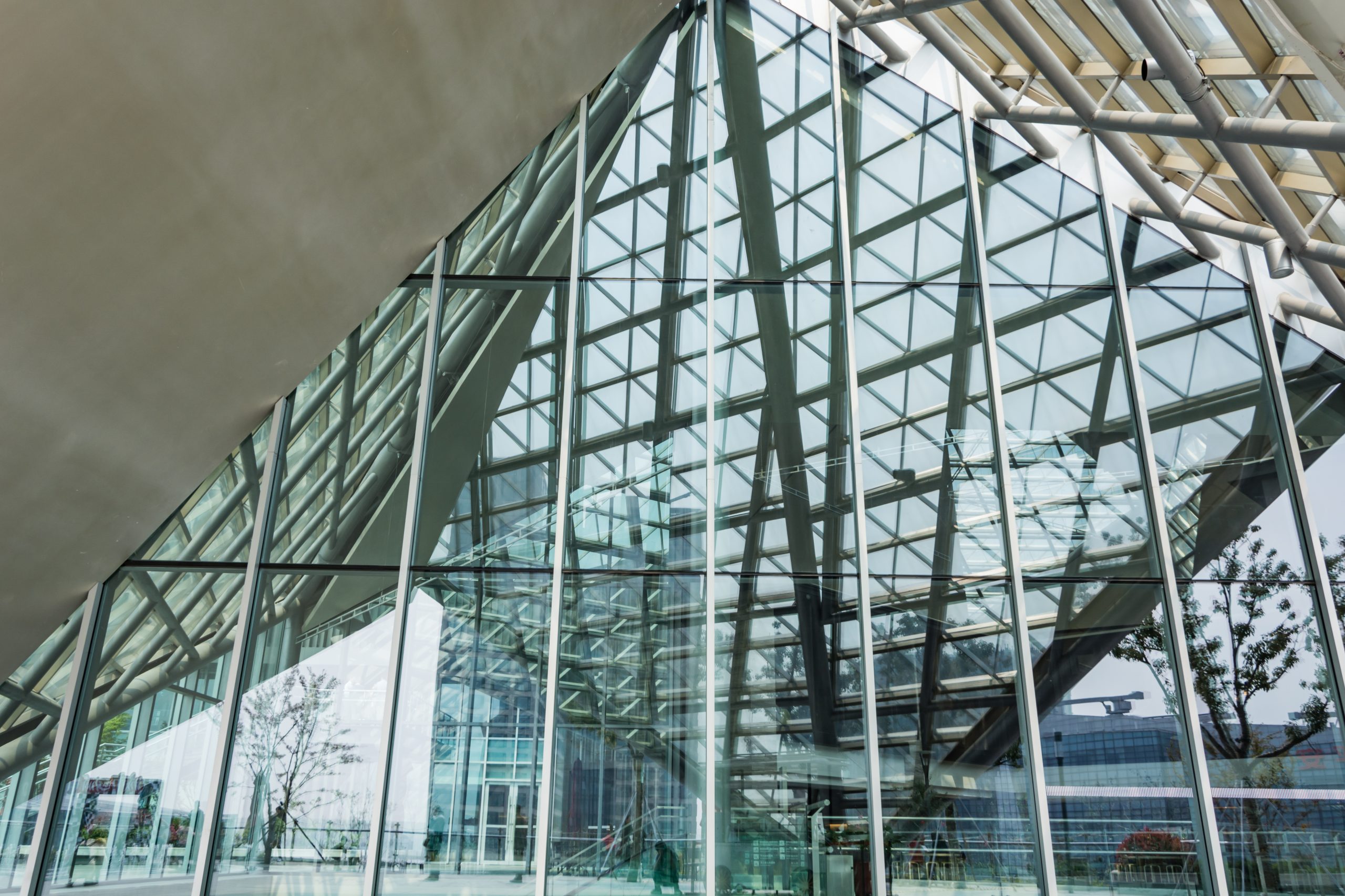
The KSA laminated glass market is witnessing increasing adoption as Saudi Arabia continues to invest in large-scale construction, infrastructure, and urban development projects. Laminated glass, known for its safety, durability, sound insulation, and impact resistance, is becoming a preferred material for commercial buildings, residential developments, transportation projects, and automotive applications. The expansion of luxury real estate, hospitality projects, and smart city developments is creating new opportunities for glass manufacturers. With Saudi Arabia’s focus on economic diversification and modern infrastructure under Vision 2030, demand for advanced glazing solutions is expected to continue growing.
Key Market Drivers of KSA Laminated Glass Industry
Growth of Mega Construction Projects Drives Glass Demand in Saudi Arabia
Saudi Arabia’s rapidly expanding construction sector is one of the strongest drivers for laminated glass demand. Large-scale developments, including tourism destinations, commercial complexes, residential communities, and infrastructure projects, are increasing the need for high-performance building materials. Laminated glass is widely used in façades, curtain walls, windows, partitions, and skylights due to its safety features and architectural flexibility. The Kingdom’s focus on urban transformation and major development programs is encouraging architects and developers to adopt advanced glazing technologies. Projects linked with Vision 2030, including new cities, entertainment destinations, and hospitality developments, are supporting demand for premium construction materials. Energy-efficient glazing solutions are also gaining attention as developers look for materials that can improve indoor comfort and reduce cooling requirements in Saudi Arabia’s climate.
Expanding Automotive Market Supports Laminated Glass Adoption in KSA
The automotive sector is another important contributor to laminated glass demand in Saudi Arabia. Laminated glass is primarily used in vehicle windshields because it helps maintain structural integrity after impact and improves passenger safety. It also supports noise reduction and enhanced driving comfort. Saudi Arabia’s growing vehicle market, increasing demand for premium automobiles, and rising adoption of advanced vehicle technologies are creating opportunities for automotive glass suppliers. The shift toward electric vehicles and vehicles equipped with improved safety features is expected to encourage the development of specialized laminated glass products.
Government Support for Saudi Arabia’s Laminated Glass Sector Growth and Development
Saudi Arabia’s infrastructure expansion and economic diversification initiatives are creating a favorable environment for the laminated glass industry. Government-backed projects under Vision 2030 are supporting investments in real estate, tourism, transportation, and smart city developments. These projects require modern construction materials that provide safety, energy efficiency, and design flexibility. Additionally, regulations promoting safer buildings and improved transportation standards are supporting wider adoption of laminated glass solutions.
Competitive Insights of KSA Laminated Glass Market
The KSA laminated glass market includes regional and international manufacturers competing through technology advancement, product innovation, and customized solutions. Companies are focusing on expanding production capabilities, improving manufacturing efficiency, and developing products for architectural and automotive applications. Market participants are increasingly investing in sustainable manufacturing processes and advanced glazing technologies to meet the growing demand from Saudi Arabia’s construction and infrastructure sectors.
Market Challenges Faced Within Saudi Arabia’s Laminated Glass Ecosystem
High Production Costs Impact Glass Manufacturing Operations
The production of laminated glass requires advanced equipment, specialized interlayers, and strict quality control measures, resulting in higher manufacturing costs. Fluctuations in energy prices, transportation expenses, and raw material costs can affect overall production economics.
Recycling and Supply Chain Limitations Create Industry Challenges
Recycling laminated glass remains a challenge because separating the glass layers from polymer interlayers requires specialized processes. Improving recycling infrastructure will be important for supporting sustainable growth. Additionally, dependence on imported technologies and certain raw materials may create supply chain pressures for manufacturers.
Future Outlook
The future of Saudi Arabia’s laminated glass market is closely linked with the country’s construction transformation, automotive growth, and sustainability goals. As developers continue building modern communities, commercial spaces, and infrastructure projects, demand for safer and more efficient glazing solutions is expected to rise. The growing focus on smart buildings, energy-efficient designs, and premium architectural concepts will create new opportunities for manufacturers. Businesses that invest in innovation, localized production, and sustainable solutions will be better positioned to benefit from Saudi Arabia’s evolving construction landscape. Through the coming years, laminated glass is expected to become an increasingly important material in the Kingdom’s modern infrastructure development.
Consultants at Nexdigm, in their latest publication “KSA Laminated Glass Market Outlook to 2035,” analyze the sector By Product Type (PVP, SGA, Resin, Acoustic, EVA, Coloured, Low E Laminated Glass), By Interlayer Type (Polyvinyl Butyral, Ethylene Vinyl Acetate, SentryGlas Plus and Specialty Acoustic Interlayers), By Applications (Marine Glazing, Skylines and Canopies)
Nexdigm suggests that businesses in the KSA Laminated Glass Industry should focus on developing advanced, sustainable, and application-specific glass solutions to address rising demand from construction sectors. Companies should strengthen supply chain resilience to manage cost pressures and material availability challenges.
To take the next step, simply visit our Request a Consultation page and share your requirements with us.
Harsh Mittal
+91-8422857704