
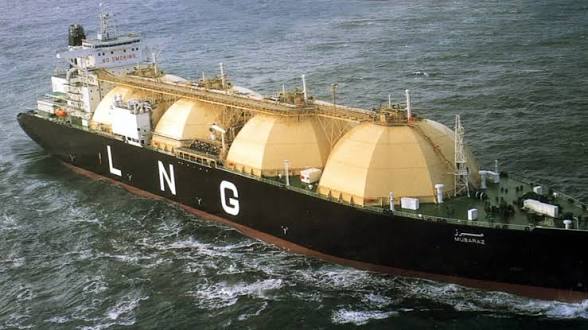
Saudi Arabia is steadily strengthening its position in the global natural gas ecosystem, creating new opportunities for the LNG carriers market. While the Kingdom has traditionally been associated with crude oil exports, recent investments in natural gas, LNG trading, and maritime infrastructure are reshaping the country’s energy landscape. Saudi Aramco has announced ambitions to build a long-term LNG portfolio of 20 million tonnes per year, reflecting the Kingdom’s growing interest in the global LNG value chain. As LNG activities expand internationally, the need for efficient LNG transportation and carrier capacity is expected to rise significantly.
Market Drivers Advancing the KSA LNG Carriers Industry
Saudi Aramco’s Expanding Global LNG Portfolio
One of the strongest drivers for the KSA LNG carriers market is Saudi Aramco’s strategic entry into international LNG markets. Aramco acquired a $500 million stake in MidOcean Energy, marking its first international LNG investment and providing exposure to LNG projects across major global markets. Additionally, Aramco has secured long-term LNG supply agreements, including a 20-year agreement for 1.2 million tonnes annually from the Rio Grande LNG project in Texas. As these LNG trading activities grow, demand for modern LNG carriers capable of transporting cargoes across Asia, Europe, and other regions is likely to increase.
Rising Importance of Natural Gas in Energy Transition
Globally, LNG is increasingly viewed as a transition fuel supporting lower-carbon energy systems. Aramco itself has emphasized LNG’s role in enhancing energy security while reducing reliance on more carbon-intensive fuels such as coal and fuel oil. As global LNG consumption expands, Saudi Arabia’s growing participation in LNG trading and supply agreements creates favorable conditions for investments in LNG shipping fleets and transportation infrastructure.
Maritime and Logistics Infrastructure Development
Saudi Arabia’s strategic location between Asia, Europe, and Africa provides a natural advantage for maritime trade. Approximately 13% of global trade passes through the Red Sea corridor, strengthening the Kingdom’s role as an international shipping hub. Under Vision 2030, significant investments are being made to modernize ports, improve logistics efficiency, and develop world-class maritime infrastructure. These improvements support future LNG transportation activities and increase the attractiveness of Saudi Arabia as a regional maritime center.
Government Initiatives Supporting the KSA LNG Carriers Industry
Government programs under Vision 2030 continue to drive logistics, maritime, and energy sector development. The National Transport and Logistics Strategy aims to transform Saudi Arabia into a leading global logistics hub while strengthening trade connectivity and port infrastructure. Simultaneously, national policies encourage greater gas production, diversification of energy resources, and international energy partnerships. These initiatives create a favorable environment for LNG shipping activities and future demand for LNG carrier vessels.
Competitive Landscape of the KSA LNG Carriers Industry
The market involves a combination of global LNG shipping companies, vessel owners, energy producers, and maritime logistics operators. Major industry participants include international LNG carrier operators alongside regional shipping companies seeking to capitalize on growing LNG trade opportunities. Collaboration between shipowners, energy companies, and logistics providers is becoming increasingly important as LNG trade routes expand. Long-term charter agreements and strategic partnerships are expected to remain key competitive strategies within the market.
Challenges Facing the KSA LNG Carriers Industry
High Capital Costs and Vessel Availability
LNG carriers are among the most expensive commercial vessels to build and operate. Shipowners face significant upfront investment requirements, while shipyard capacity constraints can create delivery delays and increase vessel costs.
Market Volatility and Geopolitical Risks
The LNG shipping sector remains sensitive to fluctuations in energy demand, freight rates, and geopolitical developments. Changes in international trade flows or energy market conditions can directly affect vessel utilization and profitability.
Future Outlook
The future of the KSA LNG carriers market appears promising as Saudi Arabia deepens its involvement in global LNG trading and gas-related investments. Aramco’s ambition to develop a 20 million-tonne-per-year LNG portfolio highlights the scale of the opportunity emerging across the Kingdom’s LNG ecosystem. Combined with Vision 2030-driven logistics modernization, strategic maritime investments, and growing global LNG demand, the market is expected to witness sustained growth over the coming years. As Saudi Arabia strengthens its footprint across international LNG supply chains, LNG carriers will play a vital role in connecting the Kingdom’s energy ambitions with global markets.
Consultants at Nexdigm, in their latest publication “KSA LNG Carriers Market Outlook to 2035” analyze the sector By Vessel Propulsion Technology (Steam Turbine Propulsion, Dual Fuel Diesel Engine and Generation Next Technologies), By Containment System Type ( Membrane Containment, Moss Rosenberg Spherical and Self-Supporting Prismatic) and By Vessel Size Class (Small Scale Carriers, Mid-Size Carriers and Conventional Large Scale).
Nexdigm suggests that businesses in “KSA LNG Carriers Industry” focusses on oilfield, desalination, construction, and industrial applications, strengthen local warehousing, develop application-specific grades, improve technical support, and build resilient sourcing networks to serve expanding energy, water, and manufacturing demand.
To take the next step, simply visit our Request a Consultation page and share your requirements with us.
Harsh Mittal
+91-8422857704