
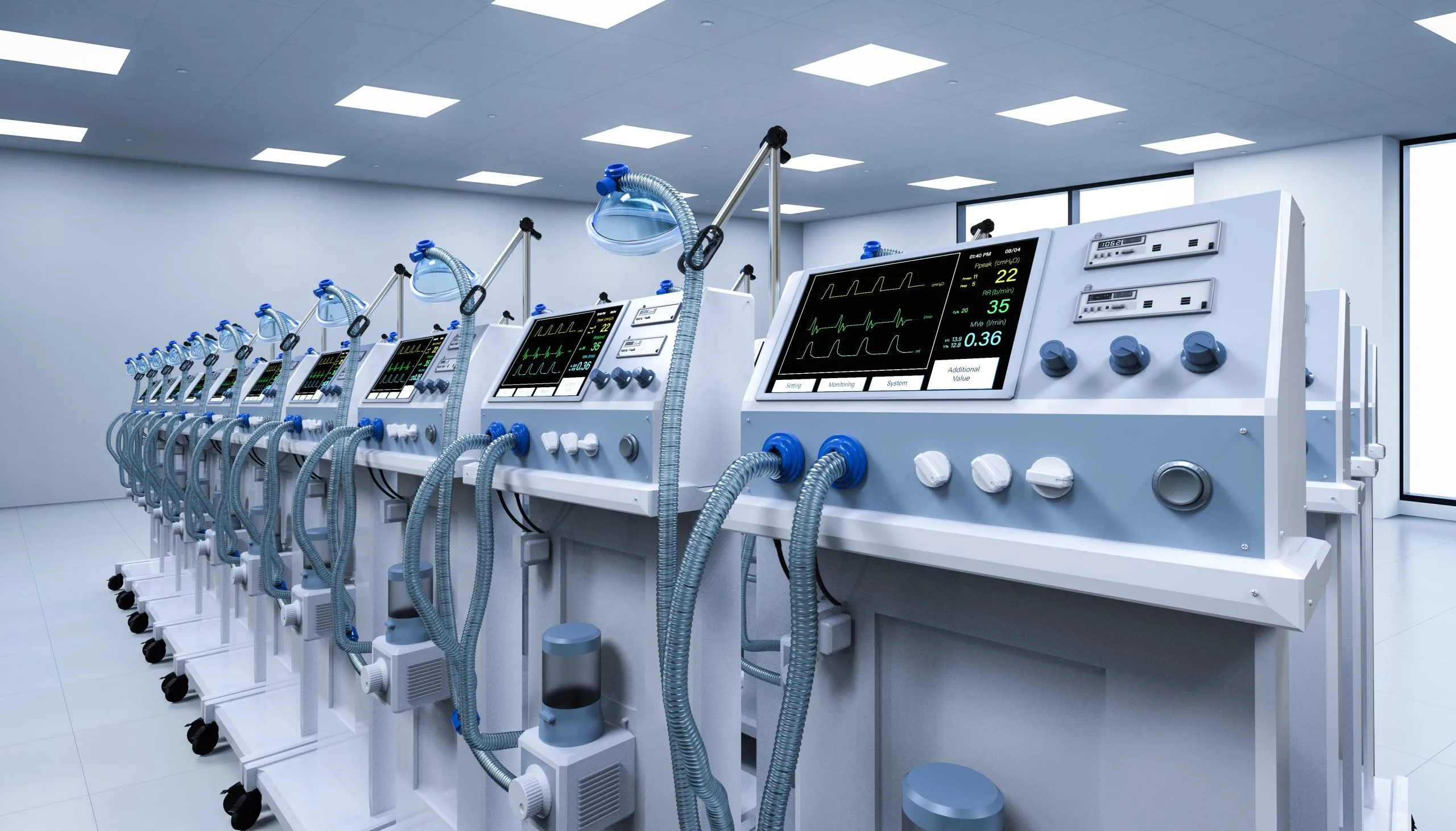
Saudi Arabia’s medical devices market has been moving through a noticeable transition over the past few years. Backed by Vision 2030, healthcare is no longer treated as just a public service but as a sector open to investment, efficiency improvements, and innovation. By 2026, the Kingdom stands among the largest MedTech markets in the Middle East, yet a significant share of its devices still comes from overseas suppliers. Imports continue to dominate, especially in advanced imaging and surgical technologies. At the same time, regulatory updates from the Saudi Food and Drug Authority are making market entry smoother, which explains why global players remain deeply involved. What is interesting is the parallel push for local manufacturing, even though building that capability will take time and sustained effort.
What’s Driving the Medical Devices Market in KSA?
Healthcare Expansion and Private Sector Participation
Hospital capacity across major cities such as Riyadh and Jeddah has expanded steadily, but the real shift lies in how these facilities are being funded and operated. Private hospital groups are stepping in, often bringing higher-end equipment and international standards of care. On the ground, this translates into frequent procurement cycles for imaging systems, ICU equipment, and surgical tools. New medical cities and specialty centers are not just increasing bed count; they are also raising expectations around quality and technology adoption.
Chronic Disease Burden and Demographic Pressures
Saudi Arabia faces a heavy burden of non-communicable diseases, particularly diabetes and cardiovascular conditions. This is not just a statistic, it shows up in hospital workflows every day. Clinics require continuous monitoring devices, labs process higher diagnostic volumes, and physicians rely more on imaging for early detection. An aging population adds another layer to this demand. In practice, healthcare providers are under pressure to deliver faster and more accurate diagnoses, which naturally leads to higher reliance on modern medical equipment.
Digital Health and AI Integration
There has been a visible shift toward digital healthcare solutions. Hospitals are experimenting with AI-supported radiology tools, while telemedicine platforms are becoming more common in remote regions. These are not isolated pilot projects anymore. Larger hospital networks are embedding connected devices into their systems to improve patient tracking and clinical decision-making. That said, integration is not always seamless. A common challenge is aligning new technologies with existing hospital IT infrastructure, which can slow down adoption despite clear benefits.
Government-Led Initiatives
Government policy plays a central role in shaping this market. Vision 2030 has set clear expectations around reducing dependence on imports, and there is growing emphasis on attracting manufacturers to establish local production units. Industrial zones dedicated to healthcare manufacturing are being developed, offering incentives such as tax benefits and easier licensing processes. Regulatory reforms by the SFDA are another important piece of the puzzle. Approval timelines have improved, making it less cumbersome for companies to introduce new products. At the same time, authorities are maintaining strict quality standards, which keeps patient safety in focus. While these initiatives are promising, building a fully functional domestic manufacturing base will require more than policy support. Skilled workforce development and supply chain depth remain areas that need attention.
Market Competition
Competition in Saudi Arabia largely reflects its import-heavy nature. Global brands such as Siemens Healthineers, GE Healthcare, Philips Healthcare, and Medtronic continue to dominate, particularly in high-end segments. Their advantage lies not only in technology but also in established service networks and long-standing relationships with hospitals. Local distributors play a surprisingly influential role. They bridge the gap between international manufacturers and healthcare providers, especially in smaller cities where direct presence is limited. Meanwhile, a handful of domestic firms are beginning to emerge, mostly focusing on simpler devices and consumables. It is still early days for them, but government backing could gradually shift the balance over time.
High Import Dependency
One persistent challenge in the Saudi medical devices market is its reliance on imports. Advanced equipment such as MRI scanners, robotic surgery systems, and radiation therapy machines are almost entirely sourced from abroad. This creates cost pressures, particularly when currency fluctuations or logistics disruptions come into play. In practical terms, hospitals often face longer lead times for procurement and maintenance. Spare parts availability can also become an issue, especially during global supply chain disruptions. While localization efforts aim to address this, replacing imported high-tech equipment with locally produced alternatives is a complex and long-term task.
Future Outlook
Looking ahead, the direction of the market seems clear, even if the pace may vary. Demand for medical devices will continue to grow alongside healthcare infrastructure and insurance coverage expansion. By 2035, Saudi Arabia is likely to see stronger domestic production in low- and mid-range devices, supported by partnerships with global manufacturers. High-end equipment may still rely on imports, but there could be more assembly and servicing capabilities within the country. AI-driven diagnostics, remote monitoring tools, and minimally invasive surgical technologies are expected to become standard across leading hospitals.
Consultants at Nexdigm, in their latest publication “KSA Medical Devices Market Outlook to 2035,” note that companies entering this market should not rely solely on product strength. Success will depend on local partnerships, after-sales service quality, and the ability to adapt to evolving regulatory and digital healthcare requirements.
To take the next step, simply visit our Request a Consultation page and share your requirements with us.
Harsh Mittal
+91-8422857704