
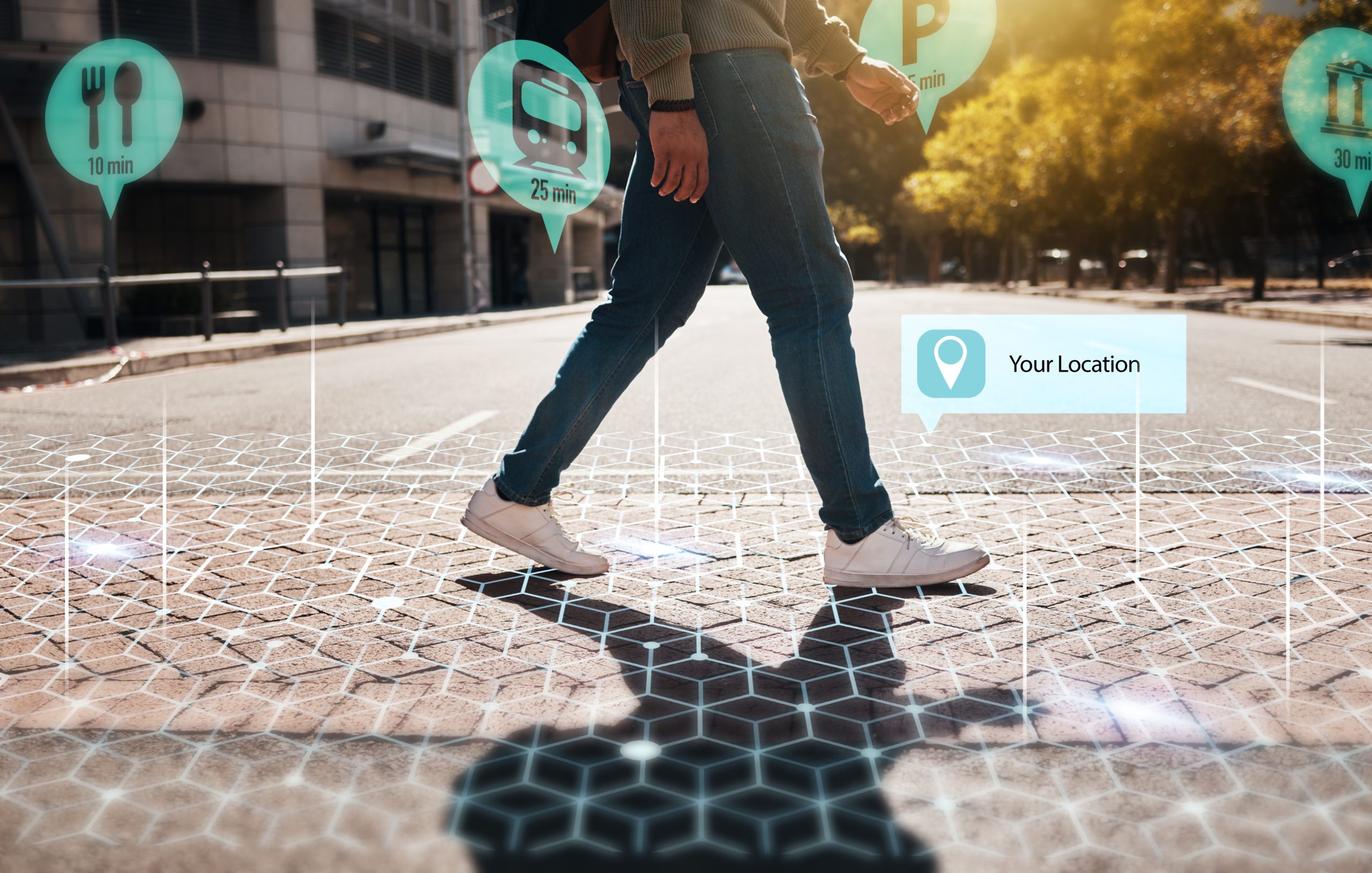
The KSA pedestrian detection systems market is growing rapidly as vehicle safety technology takes center stage in the automotive industry. These systems, which help vehicles detect and respond to pedestrians on the road, are part of the broader movement toward advanced driver‑assistance systems (ADAS). With a global market valued at USD 8.75 billion earlier and expected to reach USD 18.80 billion by 2030 at a 13% CAGR, KSA is embracing these technologies to improve traffic safety.
The country’s focus on smart mobility and road safety is driving the adoption of pedestrian detection systems as part of its Vision 2030. As the Kingdom aims to modernize its transportation infrastructure, integrating pedestrian detection systems is key to reducing traffic accidents and fatalities. These systems are expected to play a crucial role in achieving the nation’s ambitious goals for safer, smarter roadways.
Key Factors Contributing to growth in Pedestrian Detection Systems
Increasing Demand for Vehicle Safety Features
With urban traffic steadily increasing in Saudi Arabia, there’s a growing push for technologies that protect vulnerable road users, especially pedestrians. Pedestrian detection systems, often integrated with automatic emergency braking and collision warning, help reduce the severity of accidents and fatalities. This is in line with global trends where stricter safety standards are being adopted, encouraging automakers to make ADAS features standard in vehicles.
Urbanization and Smart Mobility Initiatives
Saudi Arabia’s ongoing urban development and digital transformation are creating a need for smarter infrastructure and safer urban transport. High vehicle and pedestrian traffic in cities demand better traffic management and advanced in‑vehicle safety systems. As part of the country’s economic vision, the government and private sector are increasingly adopting pedestrian detection systems to improve road safety and move towards connected, autonomous mobility solutions.
Technological Advancements and Declining Costs
Recent innovations in sensing technologies, like radar, cameras, and LiDAR, have made pedestrian detection systems more effective and affordable. Additionally, the integration of AI and machine learning has improved the systems’ ability to function accurately in complex environments. As the costs of these technologies continue to fall, more vehicle manufacturers and aftermarket providers are able to offer pedestrian detection systems across a wider range of vehicles.
Government Support towards Pedestrian Detection Systems
The Saudi government is actively pushing for better road safety and technological advancements in the automotive sector through various regulations and national strategies. These initiatives support the integration of ADAS, including pedestrian detection, to lower traffic injuries and improve transportation systems. Saudi Arabia’s Vision 2030 emphasizes the development of smart infrastructure, which indirectly boosts the adoption of advanced safety technologies across the Kingdom.
Competitive Landscape: Who’s Leading the Way?
The KSA pedestrian detection systems market is home to both global automotive safety leaders and regional players. International companies like Robert Bosch, Continental, Denso, Valeo, and Aptiv dominate the global market and are influencing the local adoption of these systems through partnerships with OEMs and local dealerships. Competition focuses on sensor accuracy, system reliability, and seamless integration with broader ADAS technology. The collaboration between tech suppliers and local manufacturers is expected to drive further deployment.
Challenges Facing Pedestrian Detection Systems Adoption
Infrastructure and Adoption Barriers
One of the challenges in KSA is the uneven rollout of infrastructure necessary for advanced safety systems. While urban areas are quickly adopting these technologies, rural regions face slower vehicle modernization and limited service options, making widespread adoption difficult.
Regulatory and Implementation Gaps
Despite the supportive policies in place, the specific regulations around pedestrian detection systems are still unclear compared to other global markets. The lack of clear mandates could slow the adoption of these systems by OEMs and delay aftermarket retrofitting until clearer guidelines and enforcement mechanisms are established.
Future Outlook
Looking ahead to 2030, the KSA pedestrian detection systems market is meant to grow alongside the global push for improved vehicle safety. As consumer awareness of road safety increases and the country’s infrastructure evolves, the demand for pedestrian detection systems will continue to rise. Advances in smart infrastructure and the adoption of connected vehicle technologies will play a major role in this growth, aligning with Saudi Arabia’s broader Vision 2030 goals. With continued momentum in the global market, KSA is set to see significant gains in urban road safety and pedestrian protection in the coming decade.
Consultants at Nexdigm, in their latest publication KSA Pedestrian Detection Systems Market Outlook 2030 analyze the sector by System Configuration (Camera based Detection System, Sensor fusion based detection system, Radar based Detection System, Infrared and Night Vision Pedestrian System and LiDar Enabled Detection System), by Vehicle Integration level (Entry level ADAS packages, Mid segment Integrated ADAS Suites, Aftermarket Add on Systems and Premium Vehicle Embedded Systems)
Nexdigm advises businesses to focus on digital transformation to stay competitive in today’s fast-evolving market. By leveraging advanced technologies like predictive analytics, enhancing operational efficiency, and providing better customer experiences, companies can drive growth, navigate market shifts, and maintain a strong presence in the digital age.
To take the next step, simply visit our Request a Consultation page and share your requirements with us.
Harsh Mittal
+91-8422857704