
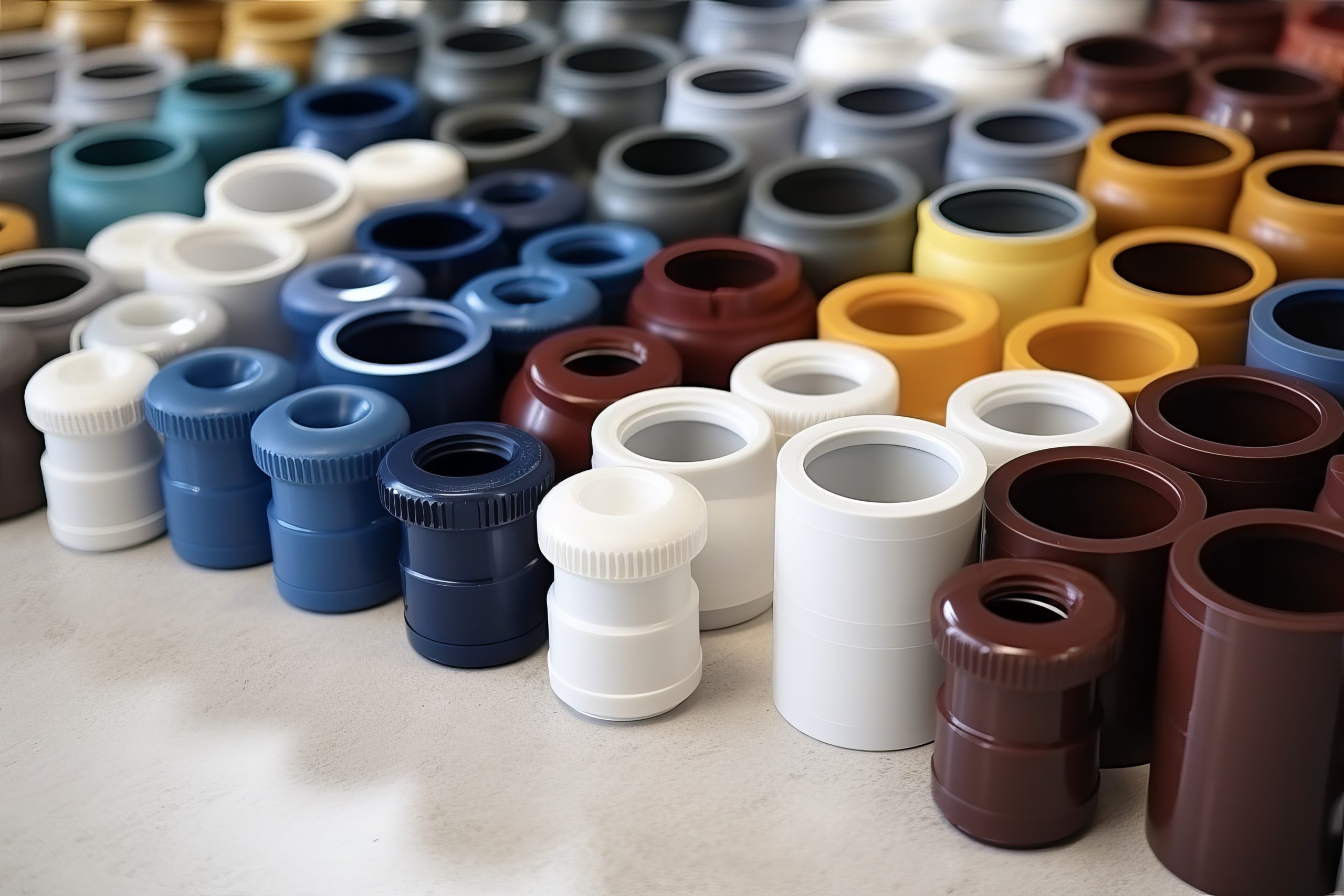
Saudi Arabia’s plastic pipes and fittings market is growing as water networks, housing, sanitation, irrigation, and large infrastructure projects expand across the Kingdom. PVC, HDPE, PPR, and related systems are widely used because they are lightweight, corrosion-resistant, durable, and well suited to harsh operating conditions. Saudi Arabia currently distributes about 11.4 million cubic metres of water per day, supported by production capacity of around 12.8 million cubic metres daily. Water distribution networks already extend roughly 127,500 km, creating substantial demand for new pipes, fittings, maintenance, and replacement solutions.
Key Growth Drivers of KSA’s Plastic Pipes and Fittings Industry
Water Network Expansion Creates Strong Pipe Demand
Water infrastructure remains one of the strongest drivers of plastic pipe consumption in Saudi Arabia. The Kingdom’s water distribution network spans approximately 127,500 km, while desalinated-water transmission pipelines extend around 11,000 km. Water-network coverage has reached about 88% of the population. As the government works to extend water services to more communities, demand is likely to increase for HDPE, PVC, and other plastic piping systems used in transmission, distribution, service connections, and storage networks.
Sanitation Development Opens New Opportunities
Saudi Arabia is also expanding wastewater and sanitation infrastructure. Current sanitation coverage is about 60%, while long-term strategy aims to increase this to 95% by 2050. This creates opportunities for plastic pipes used in sewerage, wastewater collection, treated-water distribution, and pumping systems. Chemical resistance and low maintenance requirements make HDPE and PVC particularly attractive for these applications.
Housing and Urban Development Support Plumbing Demand
Continued residential and commercial development adds another source of demand. New homes, apartment developments, hospitality projects, and mixed-use communities require substantial volumes of plastic piping for potable water, drainage, HVAC, irrigation, and wastewater applications. As urban areas expand, manufacturers with broad product portfolios and strong distribution networks should benefit from both infrastructure projects and retail plumbing demand.
Government Initiatives Supporting KSA’s Plastic Pipes and Fittings Market
Saudi Arabia’s water strategy is focused on broader network coverage, efficient distribution, and greater wastewater reuse. The government aims to achieve 100% population coverage across domestic water networks by 2030. The Kingdom is also targeting greater reuse of treated wastewater, including infrastructure involving pumping stations, pipeline systems, and irrigation networks. These initiatives directly support demand for plastic pipes across water, sanitation, agriculture, and urban utility applications.
Competitive Insights of KSA’s Plastic Pipes and Fittings Industry
KSA’s plastic pipes and fittings industry includes domestic manufacturers, regional producers, international brands, distributors, and construction-material suppliers. Competition centers on pricing, pressure performance, durability, technical standards, product availability, and local manufacturing capability. Suppliers offering PVC, HDPE, PPR, drainage, sewerage, irrigation, and industrial systems are well positioned to serve diverse applications. Local production and strong contractor relationships are becoming increasingly important as infrastructure development accelerates.
Challenges Affecting KSA’s Plastic Pipes and Fittings Market
Raw Material Prices Can Pressure Margins
PVC, polyethylene, and polypropylene prices remain exposed to petrochemical feedstock costs, energy prices, and supply-chain conditions. Changes in resin costs can affect profitability and project pricing.
Harsh Climate Raises Performance Requirements
High temperatures and demanding outdoor conditions require pipes and fittings with strong heat, pressure, and UV resistance. Manufacturers must maintain strict quality standards, which can increase testing and production costs.
Future Outlook
In the coming years, KSA’s plastic pipes and fittings market is likely to remain closely tied to water security, sanitation expansion, housing, and urban infrastructure. The opportunity is substantial because the Kingdom is still extending services while modernizing existing networks. Water distribution already reaches about 88% of the population, while sanitation coverage stands near 60%, leaving considerable room for further infrastructure development. As investment continues, demand should remain strong for PVC, HDPE, PPR, and other durable piping systems. Suppliers combining reliable quality, local availability, competitive pricing, and strong project support should be better positioned for long-term growth.
Consultants at Nexdigm, in their latest publication “KSA Plastic Pipes and Fittings Market Outlook to 2035,” analyze the sector By Material Type (PVC, CPVC, HDPE, MDPE and PVCO Pipes and Fittings), By Product Type (Pressure, Non-Pressure, Corrugated, DXV Pipes), By Application Type (Municipal Water Distribution System, Residential Plumbing Systems and Electric Conduit Systems).
Nexdigm suggests that businesses in the KSA Plastic Pipes and Fittings Industry should strengthen local manufacturing, expand contractor partnerships, target water and sanitation projects, invest in heat-resistant products, and develop cost-efficient solutions for housing, irrigation, and utility infrastructure.
To take the next step, simply visit our Request a Consultation page and share your requirements with us.
Harsh Mittal
+91-8422857704