
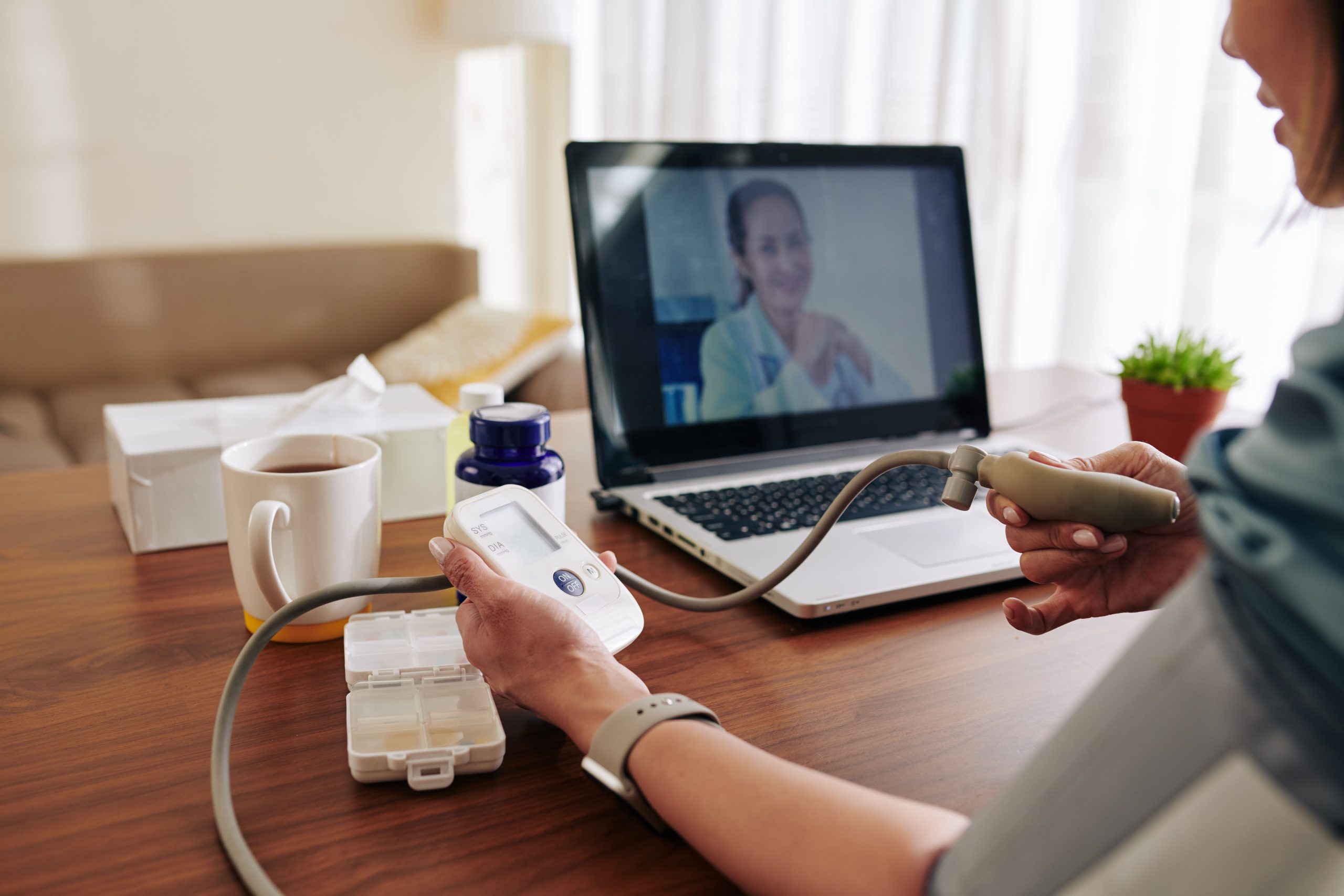
Saudi Arabia’s healthcare system is moving well beyond hospital-led treatment and toward continuous, connected care. That shift is creating real momentum for remote patient monitoring (RPM), especially as the country deals with a high burden of diabetes, hypertension, obesity, and heart disease. In practical terms, RPM allows doctors and care teams to keep tabs on patients without requiring them to show up at a clinic every week. Blood glucose readings, oxygen saturation, heart rhythm, and blood pressure can now be tracked from home with connected devices and cloud-based dashboards. This matters in Saudi Arabia more than it might in some smaller or less digitally ambitious markets. By 2030, RPM in KSA is likely to move from being a specialist offering to a much more standard part of chronic care and post-discharge management.
What’s Driving the Remote Patient Monitoring Market in KSA?
Chronic Disease Management Is Becoming Harder to Ignore
One of the clearest reasons behind RPM adoption in Saudi Arabia is the sheer scale of chronic illness. Diabetes remains one of the country’s biggest long-term healthcare burdens, and that alone creates a strong use case for connected glucose monitoring and regular virtual follow-up. The same applies to cardiac patients, people recovering after surgery, and elderly populations who need routine observation but not always hospital admission. For hospitals and insurers, this is not just about convenience. Frequent in-person visits are expensive, time-consuming, and often unnecessary for stable patients. A patient with controlled hypertension, for example, can often be managed far more efficiently through home readings and periodic physician review than through repeated outpatient appointments.
Virtual Care Infrastructure Is Finally Becoming Usable at Scale
Saudi Arabia has talked about digital health for years, but the difference now is that many of the underlying systems are actually in place. Public and private providers have expanded teleconsultation services, and the success of Seha Virtual Hospital has shown that virtual care can work at national scale when the model is built properly. That said, RPM only works when it fits into clinical workflows. A pulse oximeter on its own does not solve much. What matters is whether the data reaches a nurse, physician, or care coordinator in a way that leads to action. In KSA, the next phase of market development will likely favor vendors that can plug directly into care pathways rather than just sell hardware.
Home Healthcare Is Becoming a More Serious Segment
Care at home is gaining credibility in Saudi Arabia, especially for elderly patients, post-operative recovery, and long-term disease management. Families often prefer home-based care when it is reliable, and providers are under pressure to reduce unnecessary bed occupancy. RPM fits neatly into that shift. On the ground, one of the strongest use cases is post-discharge follow-up. A patient recovering from a cardiac procedure or respiratory complication does not always need to remain hospitalized, but clinicians still want visibility. Remote monitoring helps bridge that gap. It offers reassurance to both families and providers, while keeping hospital resources available for more acute cases.
Government-Led Initiatives Supporting RPM Adoption
Saudi Arabia’s Vision 2030 healthcare agenda has created a favorable environment for digital care tools, and RPM sits comfortably within that broader direction. Government support for telehealth, smart hospitals, and digital health integration has made adoption easier than it would have been five years ago. Regulatory oversight from the Saudi Food and Drug Authority also matters here, particularly as more connected devices enter the market. Still, policy support alone does not guarantee adoption. The real impact comes when public hospitals, private providers, and payers begin treating RPM as part of mainstream care rather than a pilot project. That transition is already underway.
Market Competition
The KSA remote patient monitoring market is moderately concentrated, with major international players such as Philips, Medtronic, GE HealthCare, Siemens Healthineers, Omron, and Teladoc Health active across devices and digital care solutions. Yet competition is no longer just about who makes the best monitor. The stronger contenders are those offering an end-to-end solution – connected devices, patient apps, physician dashboards, and clinical alerts bundled into one usable system. In a market like Saudi Arabia, that integrated approach will likely matter more than standalone hardware specifications.
Integration and Data Governance
A common challenge is that RPM sounds simpler on paper than it feels in practice. Devices may collect useful data, but if that information sits in a silo or fails to connect with hospital systems, the value drops quickly. Interoperability remains a real issue, especially when providers use different software environments. There is also the question of data privacy, patient consent, and long-term reimbursement. Without clear operational models, some providers may hesitate to scale deployments even when the clinical case is strong.
Future Outlook
The KSA remote patient monitoring market has room to expand meaningfully through 2030, particularly in diabetes care, cardiology, respiratory health, and home recovery programs. What is likely to change over the next few years is not just adoption volume, but maturity. RPM will become less device-led and more workflow-led. That is where the real value sits. The winners in this market will not simply sell connected monitors. They will help healthcare providers manage patients more efficiently, reduce avoidable admissions, and make home-based care clinically credible at scale.
Consultants at Nexdigm, in their latest publication “KSA Remote Patient Monitoring Market Outlook to 2030”, analyze the market by Product Type (Vital Sign Monitors, Blood Glucose Monitors, Cardiac Monitoring Devices, Respiratory Monitoring Devices, Multi-parameter Monitors), By End User (Hospitals, Homecare, Outpatient Facilities, Virtual Care Platforms), and By Component (Devices, Software, Services). Nexdigm believes that businesses should prioritize interoperable platforms, chronic disease use cases, and home healthcare partnerships while leveraging AI-enabled remote care workflows as a key competitive differentiator.
To take the next step, simply visit our Request a Consultation page and share your requirements with us.
Harsh Mittal
+91-8422857704