
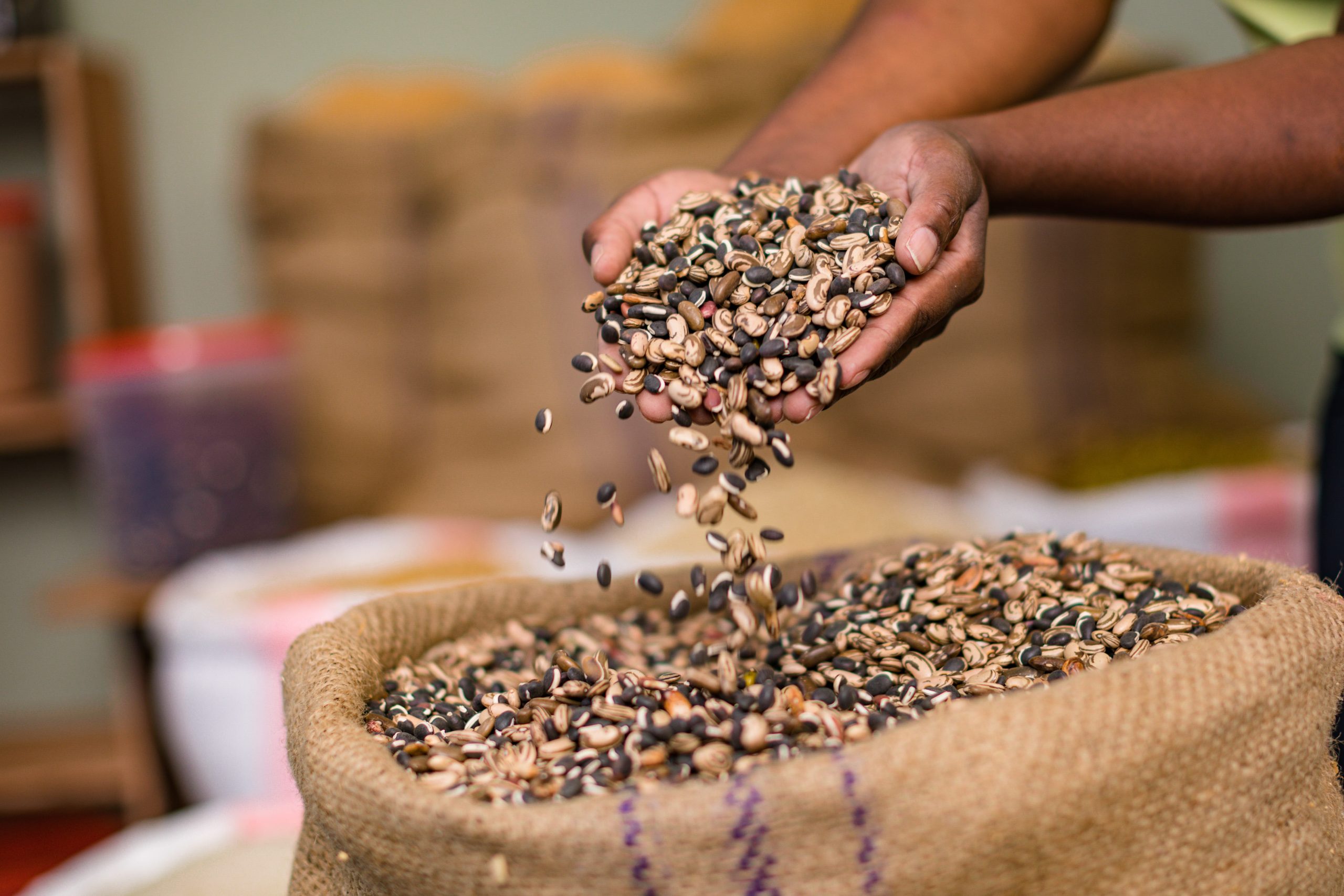
The Kingdom of Saudi Arabia (KSA) seed market is undergoing steady transformation as the country accelerates its food security agenda under Vision 2030 and expands investments in controlled environment agriculture. With limited arable land and acute water scarcity, Saudi Arabia has historically relied on food imports and imported hybrid seeds to support domestic production. As of 2026, a significant share of commercial seeds used in KSA—including vegetable hybrids, greenhouse crops, and high-yield fodder varieties—are sourced from multinational seed companies. However, the market is witnessing rising demand for climate-resilient, drought-tolerant, and high-productivity seed varieties aligned with desert farming, hydroponics, and greenhouse cultivation. This shift is positioning the KSA seed market as a strategic input segment within the broader agri-tech ecosystem.
What’s Driving the Seed Market in KSA?
Expansion of Controlled Environment Agriculture
Saudi Arabia’s investments in greenhouse farming, hydroponics, and vertical agriculture are reshaping seed demand. Commercial farms in regions such as Al-Qassim, Riyadh, and Tabuk are increasingly adopting high-yield hybrid seeds optimized for protected cultivation. These seeds offer better uniformity, disease resistance, and shorter crop cycles, enabling year-round production of vegetables such as tomatoes, cucumbers, peppers, and leafy greens. The rise of climate-controlled farms is therefore boosting demand for premium vegetable and herb seeds tailored for low-water and high-temperature environments.
Food Security Strategy and Domestic Production Targets
The National Food Security Strategy under Vision 2030 prioritizes local production of strategic crops such as vegetables, dates, forage, and selected grains. Government-backed programs supporting modern irrigation, greenhouse clusters, and smart farming technologies are indirectly expanding the seed market. As farms scale operations, demand is shifting from traditional open-pollinated varieties toward certified hybrids and improved seed varieties that deliver higher yields per unit of water. This is strengthening the role of seed quality as a productivity lever in KSA’s constrained agricultural landscape.
Rising Adoption of Precision Agriculture and Agri-Tech
The integration of IoT-enabled irrigation systems, AI-based crop monitoring, and controlled nutrient delivery is increasing the need for consistent and genetically stable seeds. Commercial growers are prioritizing varieties with predictable performance and resistance to pests and salinity stress. This technology-led shift is encouraging long-term partnerships between large farms and global seed developers, particularly for greenhouse vegetables and specialty crops.
Government-Led Initiatives Supporting Seed Localization
The Saudi government is encouraging private investment in agri-biotechnology, seed testing labs, and localized multiplication of selected seed varieties through public–private partnerships. Research institutions and agri-tech hubs are collaborating with international seed companies to trial desert-adapted hybrids. Import substitution for select vegetable and fodder seeds is emerging as a medium-term objective to reduce dependency on external supply chains and improve supply security during global trade disruptions.
Market Competition and Supplier Landscape
The KSA seed market is moderately concentrated, with multinational seed companies dominating high-value hybrid vegetable seeds, greenhouse crops, and forage varieties. Global players maintain distributor networks and demonstration farms to showcase performance under Saudi climatic conditions. Local agri-input distributors and cooperatives play a critical role in last-mile delivery, farmer education, and agronomic support. Over time, domestic seed development initiatives and regional partnerships are expected to increase competition in niche segments such as desert-optimized vegetable hybrids and fodder seeds.
High Import Dependency and Supply Chain Risks
KSA remains heavily dependent on imported seeds for commercial agriculture, particularly for hybrid vegetables, greenhouse crops, and specialty varieties. This dependency exposes the market to price volatility driven by currency movements, logistics costs, and global supply disruptions. Additionally, newer seed innovations often reach Saudi growers with a lag due to regulatory approvals and limited localized field trials. These factors can delay productivity gains and increase input costs for commercial farms.
Future Outlook
The KSA seed market is expected to grow steadily through 2035, supported by continued expansion of controlled environment agriculture, greenhouse clusters, and smart farming investments. By 2035, demand for high-performance hybrid vegetable seeds and climate-resilient fodder varieties is expected to account for a dominant share of market value. The market will become more structured, with greater emphasis on certified seed quality, traceability, and localized field validation under desert conditions.
Consultants at Nexdigm, in their latest publication “KSA Seed Market Outlook to 2035”, analyzed the market by Crop Type (Vegetables, Forage, Cereals, Fruits, Specialty Crops), By Seed Type (Hybrid, Open-Pollinated Varieties, Genetically Improved Seeds), and By Application (Open-Field Farming, Greenhouse & Hydroponics, Landscaping & Urban Farming). Nexdigm believes that businesses should prioritize desert-adapted hybrid development, localized seed trials, and partnerships with greenhouse operators, while leveraging agri-biotech collaborations to reduce import dependency and improve supply resilience in the Saudi seed ecosystem.
To take the next step, simply visit our Request a Consultation page and share your requirements with us.
Harsh Mittal
+91-8422857704