
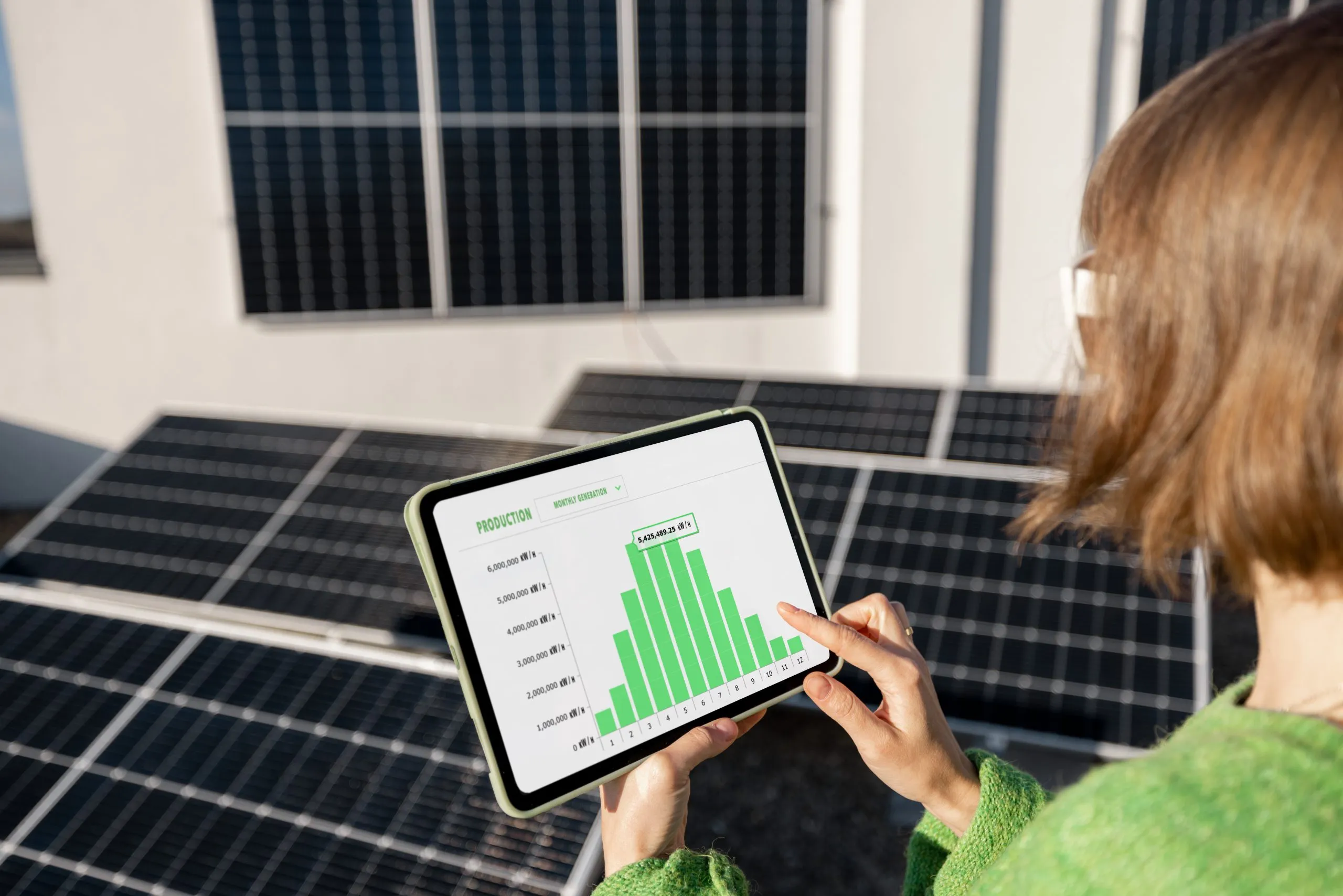
The KSA Solar EPC market is expected to grow strongly through 2035 as Saudi Arabia accelerates clean energy development under Vision 2030. EPC companies will be central to this growth, helping convert solar plans into fully operational power projects through engineering, procurement, construction, testing, and commissioning. Saudi Arabia aims to create a strong pipeline for solar project delivery. Large projects such as 1.5 GW Sudair Solar PV and new 5.5 GW solar PPAs highlight the scale of opportunity in the market. The Saudi solar energy panel market is also projected to grow at 17.5% CAGR in the upcoming years, supporting demand for EPC services. Looking ahead, solar EPC firms are expected to become key partners in building Saudi Arabia’s clean power infrastructure. As more projects move from planning to construction, EPC providers will play a larger role in ensuring timely, cost-effective, and reliable project execution.
Key Factors Driving Solar EPC Growth in KSA
Renewable Energy Targets and Large Solar Project Pipelines
One of the biggest drivers of the KSA Solar EPC market is Saudi Arabia’s push to expand renewable power and reduce dependence on conventional fuels. The Kingdom’s goal to generate around 50% of electricity from renewables by the next decade is to create long-term demand for solar project design, construction, and commissioning. Major projects such as 1.5 GW Sudair Solar PV and the 5.5 GW Haden, Muwayh, and Al Khushaybi solar projects are opening strong opportunities for EPC contractors with utility-scale experience.
Rising Panel Demand and Stronger Project Economics
The Saudi solar energy panel market is projected to grow at 17.5% CAGR in the coming years, reflecting rising demand for solar systems across utility, commercial, and industrial segments. Falling solar technology costs, stronger financing models, and long-term power purchase agreements are making solar projects more attractive. At the same time, industrial growth, cooling demand, data centers, and giga-projects are increasing electricity needs, making EPC services important for both large-scale and distributed solar projects.
Government Initiatives boosting KSA’s Solar EPC Market
Government support is one of the strongest forces behind the KSA Solar EPC market. Vision, the National Renewable Energy Program, and the Saudi Green Initiative are helping increase the role of renewables in electricity generation. The Ministry of Energy is working to replace liquid fuels with natural gas and renewables, with renewables expected to make up around 50% of the electricity production mix in coming years. The Saudi Power Procurement Company’s long-term PPA model is also attracting private and international developers. Public Investment Fund-backed projects help accelerate utility-scale solar deployment across the Kingdom. These policies give EPC firms better visibility on future project pipelines, procurement structures, and investment opportunities. As national targets move into execution, EPC companies will remain essential to delivering solar projects at scale.
Competitive Insights of KSA Solar EPC Market
The KSA Solar EPC market includes national developers, international EPC contractors, equipment suppliers, utilities, and investment-backed project companies. Key participants include ACWA Power, Badeel, Saudi Aramco Power Company, Saudi Power Procurement Company, EDF Renewables, TotalEnergies, Jinko Power, and other global solar firms. Recent solar PPAs and tenders show growing participation from both Saudi and international companies. Competition is expected to increase as Saudi Arabia expands its utility-scale solar pipeline. EPC firms will compete on cost, delivery speed, engineering quality, financing support, local content, and desert-condition experience. Companies with proven large-scale execution and strong supplier networks are likely to be better positioned. Partnerships between local entities and international solar specialists will be important as the market becomes larger and more competitive.
Major Barriers Slowing Solar EPC Market Expansion in KSA
Execution Complexity, Supply Chain Risks, and Cost Pressure
Solar EPC projects in Saudi Arabia require strong coordination across engineering, procurement, logistics, civil works, grid connection, and commissioning. Large projects can face cost pressure as developers seek competitive tariffs, faster delivery, and higher performance standards. Supply chain risks for solar modules, inverters, trackers, cables, and electrical components may also affect project schedules and contractor margins, especially as the project pipeline expands.
Harsh Climate, Grid Connection, and Workforce Requirements
Saudi Arabia’s desert environment creates technical challenges for EPC contractors, including heat, dust, sandstorms, cleaning needs, and long-term equipment performance. Grid connection, land preparation, permitting, and transmission of readiness can also influence project timelines. As the market scales, demand for skilled engineers, construction teams, grid specialists, and operations professionals will continue to rise, making workforce development an important market requirement.
Future Outlook
As we move ahead, the KSA Solar EPC market is expected to become larger, more competitive, and more technology driven. Growth will be supported by renewable energy targets, utility-scale solar tenders, falling technology costs, and rising demand from industrial and commercial users. The 17.5% CAGR projected for the Saudi solar energy panel market in coming years, signals strong equipment demand that can support EPC activity. Solar EPC companies are likely to move beyond basic construction into integrated services such as design optimization, storage integration, monitoring, and operations support. The market will also benefit from stronger local manufacturing, supplier networks, and public-private partnerships. In the coming years, EPC firms will remain essential to delivering Saudi Arabia’s large-scale solar ambitions. Companies that combine cost control, technical expertise, and local execution capacity will be best placed to capture future growth.
Consultants at Nexdigm, in their latest publication KSA Solar EPC Market Oulttok to 2035, analyze the sector by End User Segment (Residential Customers, Commercial Businesses, Industrial Facilities, Utilities, Government Entities), by Procurement Channel (Direct Procurement, Government Tenders, Private Sector Procurement, Online Procurement Platforms, Third party Distributors).
Nexdigm suggests that businesses should Nexdigm suggests that businesses should strategically assess opportunities in Saudi Arabia’s Solar EPC market by aligning growth plans with country’s Vision, renewable energy targets, and the expanding utility-scale solar pipeline. Companies should prioritize cost-efficient execution, reliable supplier networks, local partnerships, and advanced project delivery capabilities to strengthen competitiveness and capture long-term market growth.
To take the next step, simply visit our Request a Consultation page and share your requirements with us.
Harsh Mittal
+91-8422857704