
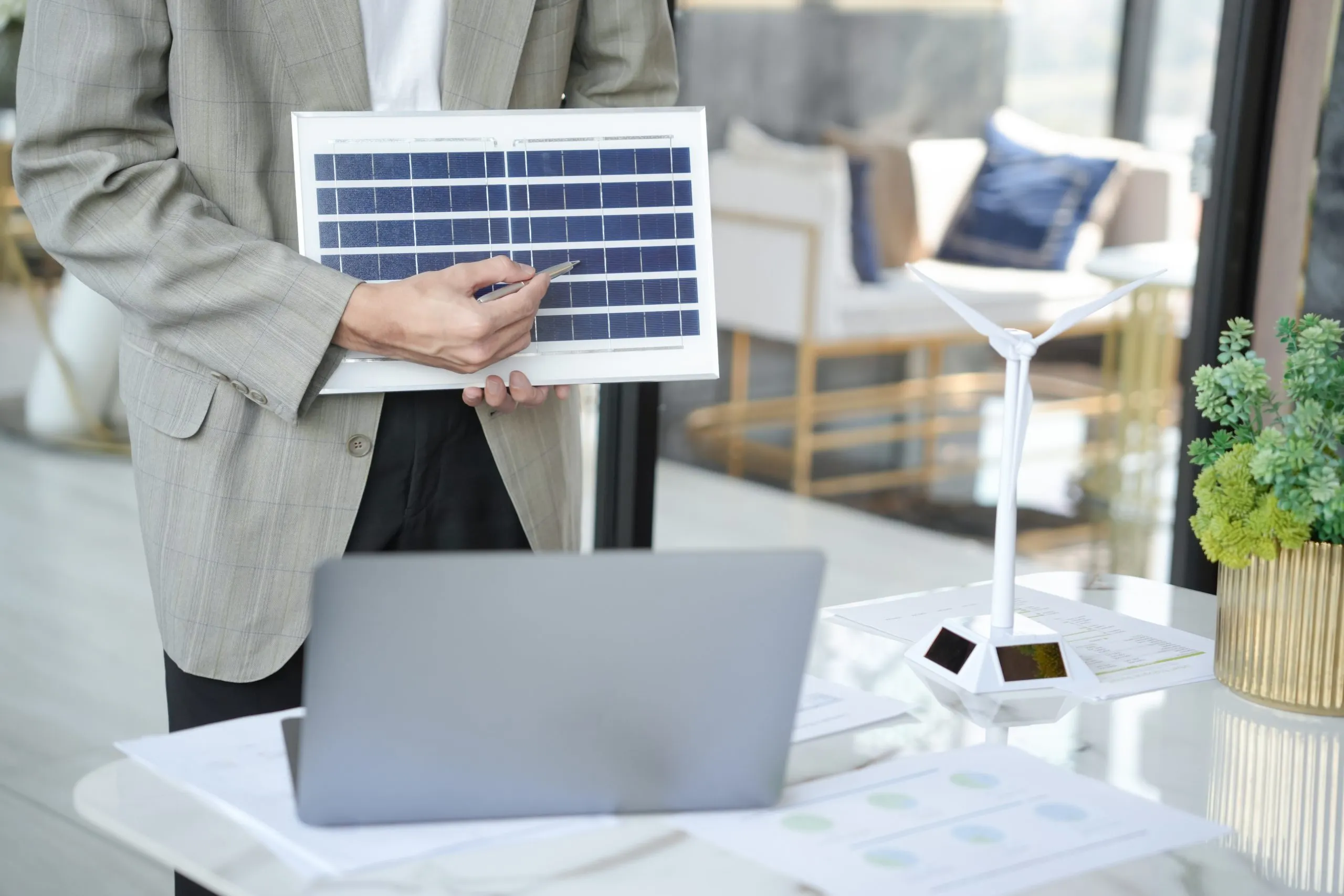
The KSA solar PV market is growing quickly as Saudi Arabia works to diversify its energy mix and reduce reliance on oil-based power generation. Under National Vision, solar energy is becoming a major part of the Kingdom’s clean energy plans. Saudi Arabia aims to generate around 50% of its electricity from renewable energy in the coming years, creating strong momentum for solar PV development. Large projects such as 1.5 GW Sudair Solar PV and 2.63 GW Al Shuaibah Solar PV show how rapidly the market is scaling. By next decade, solar PV is expected to become one of the most important pillars of Saudi Arabia’s power sector. This expansion will create opportunities for developers, EPC contractors, equipment suppliers, investors, and technology providers. As more projects move from planning to execution, solar PV will play a bigger role in supporting cleaner and more reliable electricity supply.
Key Factors Driving Solar PV Growth in KSA
Energy Diversification and Rising Power Demand
Saudi Arabia’s solar PV market is being driven by the need to diversify the national power mix, reduce the use of liquid fuels in electricity generation, and support long-term energy security. Strong solar irradiation, large land availability, population growth, industrial development, cooling demand, and mega projects such as NEOM are increasing the need for reliable power. Solar PV offers a practical solution because it can be deployed at scale while supporting the Kingdom’s clean energy goals.
Utility-Scale Projects and Improving Project Economics
Large solar projects are creating strong momentum across the market. The 1.5 GW Sudair Solar PV project and the 2.63 GW Al Shuaibah Solar PV project show the Kingdom’s ability to deliver major solar infrastructure. Saudi Arabia has also signed agreements for 5.5 GW of new solar projects, highlighting the strength of the project pipeline. Falling solar module prices, competitive auctions, long-term power purchase agreements, and growing independent power producer participation are improving project economics and attracting more investors.
KSA Government Support boosting Solar PV Adoption in market
Government support is one of the strongest growth factors for the KSA solar PV market. Through Strategic Vision, the National Renewable Energy Program, and the Saudi Green Initiative, the Kingdom is working to increase the role of renewables in power generation. Saudi Arabia’s target of around 50% renewable electricity by next decade, gives developers and investors a clear long-term direction. The Saudi Power Procurement Company’s auction and PPA model is helping attract private-sector and international participation. Public Investment Fund-backed projects are also supporting large-scale solar deployment across the country. These initiatives are expected to strengthen investor confidence and speed up solar PV project execution. As policy support continues, more solar projects are likely to move into development, construction, and operation.
Competitive Insights of the KSA Solar PV Market
The KSA solar PV market includes national champions, international developers, EPC contractors, technology suppliers, and investment firms. Key players include ACWA Power, Badeel, Saudi Aramco Power Company, Saudi Power Procurement Company, EDF Renewables, TotalEnergies, Jinko Power, and other global solar companies. Competition is increasing as Saudi Arabia awards more utility-scale solar projects through long-term PPAs. Companies compete on tariff competitiveness, financing strength, project delivery capability, technology partnerships, and local content commitments. Developers with experience in large desert solar projects and strong funding access are likely to have an advantage. Partnerships between local and international companies will remain important as the market becomes larger and more competitive.
Major Barriers Slowing Solar PV Deployment in KSA
Grid Integration, Land, and Project Execution Challenges
The KSA solar PV market faces challenges related to connecting large solar projects to the national grid, securing suitable land, managing permits, and coordinating project execution. As solar capacity grows, transmission upgrades and stronger grid planning will be needed to move power from generation sites to demand centers. Delays in grid connection or project approvals can affect timelines and raise development costs.
Harsh Climate, Supply Chain Risks, and Storage Needs
High temperatures, dust, and sandstorms can affect solar panel performance, cleaning needs, and long-term maintenance costs. Supply chain risks for modules, inverters, trackers, and electrical components may also affect project delivery. As renewable penetration increases, Saudi Arabia will need more energy storage, flexible generation, and grid management systems to balance solar output and maintain reliable electricity supply.
Future Outlook
As we move ahead, the KSA solar PV market is expected to become one of the largest and most competitive solar markets in the Middle East. Growth will be supported by Strategic Vision, renewable energy targets, utility-scale solar tenders, private-sector participation, and falling solar technology costs. Solar PV will remain central to Saudi Arabia’s plan to build a cleaner and more diversified power system. Projects such as Sudair, Al Shuaibah, and the new 5.5 GW solar pipeline show that the market is moving from planning to large-scale execution. Energy storage, grid modernization, and hybrid clean energy projects will shape the next phase of growth. In the coming years, Saudi Arabia could become a major regional hub for solar power investment, project development, and clean energy innovation. Continued policy support, strong financing, and reliable project delivery will determine how quickly the market reaches its full potential.
Consultants at Nexdigm, in their latest publication KSA Solar PV Market Outlook to 2035, analyze the sector by End User Segment (Residential Customers, Commercial Businesses, Industrial Facilities, Utilities, Government Entities), by Procurement Channel (Direct Procurement, Government Tenders, Private Sector Procurement, Online Procurement Platforms, Third party Distributors).
Nexdigm suggests that businesses in KSA should strategically assess market opportunities, align investments with evolving policy goals, and adopt scalable clean energy solutions to stay competitive. Companies should focus on partnerships, cost optimization, technology integration, and long-term planning to navigate market challenges while capturing growth opportunities in the renewable energy sector.
To take the next step, simply visit our Request a Consultation page and share your requirements with us.
Harsh Mittal
+91-8422857704