
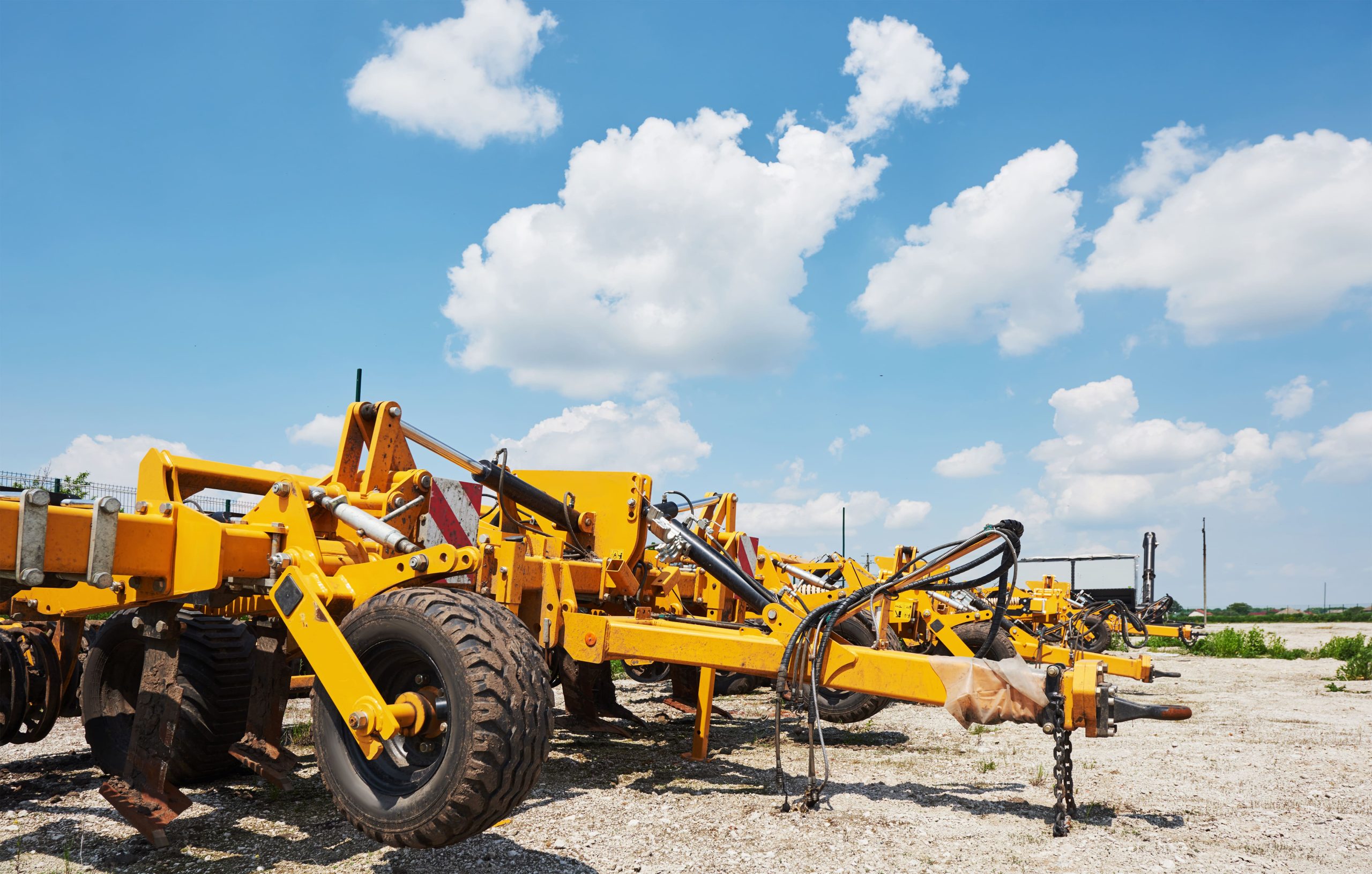
Saudi Arabia’s agricultural equipment market is experiencing a structural shift as the Kingdom balances food security ambitions with environmental constraints. With arable land accounting for less than 2% of total land area, farming in KSA remains heavily dependent on mechanization, water-efficient practices, and controlled-environment agriculture. Large-scale commercial farms dominate production, while medium and small growers increasingly rely on cost-effective machinery to remain viable. As of 2026, Saudi Arabia continues to rely almost entirely on imported agricultural equipment, particularly tractors, harvesters, and irrigation machinery sourced from global OEMs. This equipment turnover is steadily expanding the used agricultural equipment segment, making refurbished machinery a practical option for smaller farms, contract farmers, and rural cooperatives.
What’s Driving the Used Agricultural Equipment Market in Saudi Arabia?
Food Security Programs and Controlled Farming Expansion
Saudi Arabia’s food security strategy emphasizes greenhouse farming, hydroponics, and water-efficient crop production to offset limited arable land and groundwater depletion. Controlled farming environments require compact tractors, tillers, sprayers, and material handling equipment. Smaller operators and agri-tech startups often prefer used machinery to limit capital outlay during early-stage expansion. The lower acquisition cost of refurbished equipment is widening access to mechanization across peri-urban farming clusters around Riyadh, Qassim, and Al Kharj.
Rising Cost of New Equipment and Import Dependence
New agricultural machinery prices in KSA remain high due to import dependence, shipping costs, and foreign exchange exposure. Premium brands dominate the market, making new equipment less accessible for mid-sized farms and contractors. As large farms replace equipment to meet fuel efficiency and emissions standards, mid-life tractors and harvesters enter the resale market, creating a steady pipeline of used machinery. This replacement cycle is supporting inventory availability and improving price competitiveness in the secondary market.
Contract Farming and Equipment Sharing Models
Contract farming and equipment rental services are expanding in rural Saudi Arabia, especially among date farms and fodder producers. Contractors often rely on used equipment fleets to maintain profitability, particularly for seasonal harvesting and land preparation. Equipment sharing cooperatives also favor pre-owned machinery to reduce per-farm investment. This model is strengthening demand for refurbished tractors, seeders, and sprayers across smallholder clusters.
Government-Led Initiatives Supporting Mechanization
The Ministry of Environment, Water and Agriculture (MEWA) continues to support farm modernization through mechanization grants, soft financing, and sustainability-linked programs. Subsidies for smart irrigation systems and farm productivity upgrades are indirectly accelerating equipment turnover. Larger farms upgrading to more water-efficient and fuel-efficient machinery are feeding supply into the used equipment market. Additionally, financing programs through agricultural development funds are making used equipment purchases more accessible for small and mid-sized operators.
Market Competition and Distribution Landscape
The KSA used agricultural equipment market remains fragmented. Authorized dealers linked to global OEMs dominate certified resale and refurbishment, while independent traders cater to price-sensitive rural buyers. Digital equipment marketplaces are gradually improving price transparency and cross-regional reach. Over time, warranty-backed used equipment programs and structured refurbishment standards are expected to professionalize the secondary market.
Limited Domestic Manufacturing Base
Saudi Arabia has minimal domestic manufacturing capacity for agricultural machinery, leading to near-total reliance on imports. Spare parts availability, technician training, and after-sales support remain inconsistent in rural regions. Older used equipment often faces downtime due to maintenance bottlenecks, which can deter adoption among productivity-focused farms.
Future Outlook
The Saudi Arabia used agricultural equipment market is expected to witness steady growth through 2035, supported by farm mechanization needs, controlled-environment agriculture, and fleet replacement cycles among commercial farms. By 2035, the market is likely to become more organized, with wider adoption of certified refurbishment, financing options, and digital sales platforms. While overall agricultural land remains constrained, Saudi Arabia is positioned to emerge as a regional redistribution hub for used farm equipment serving neighboring Gulf and East African markets.
Consultants at Nexdigm, in their latest publication “KSA Used Agricultural Equipment Market Outlook to 2035”, analyzed the market by Equipment Type (Tractors, Harvesters, Tillage Equipment, Irrigation Systems), By Farm Size (Smallholders, Commercial Farms, Agri-Contractors), and By Sales Channel (Authorized Dealers, Independent Traders, Online Platforms, Auctions). Nexdigm believes businesses should focus on certified refurbishment, localized service networks, and financing partnerships while leveraging re-export opportunities to Africa and South Asia as key growth levers in the secondary equipment market.
To take the next step, simply visit our Request a Consultation page and share your requirements with us.
Harsh Mittal
+91-8422857704