
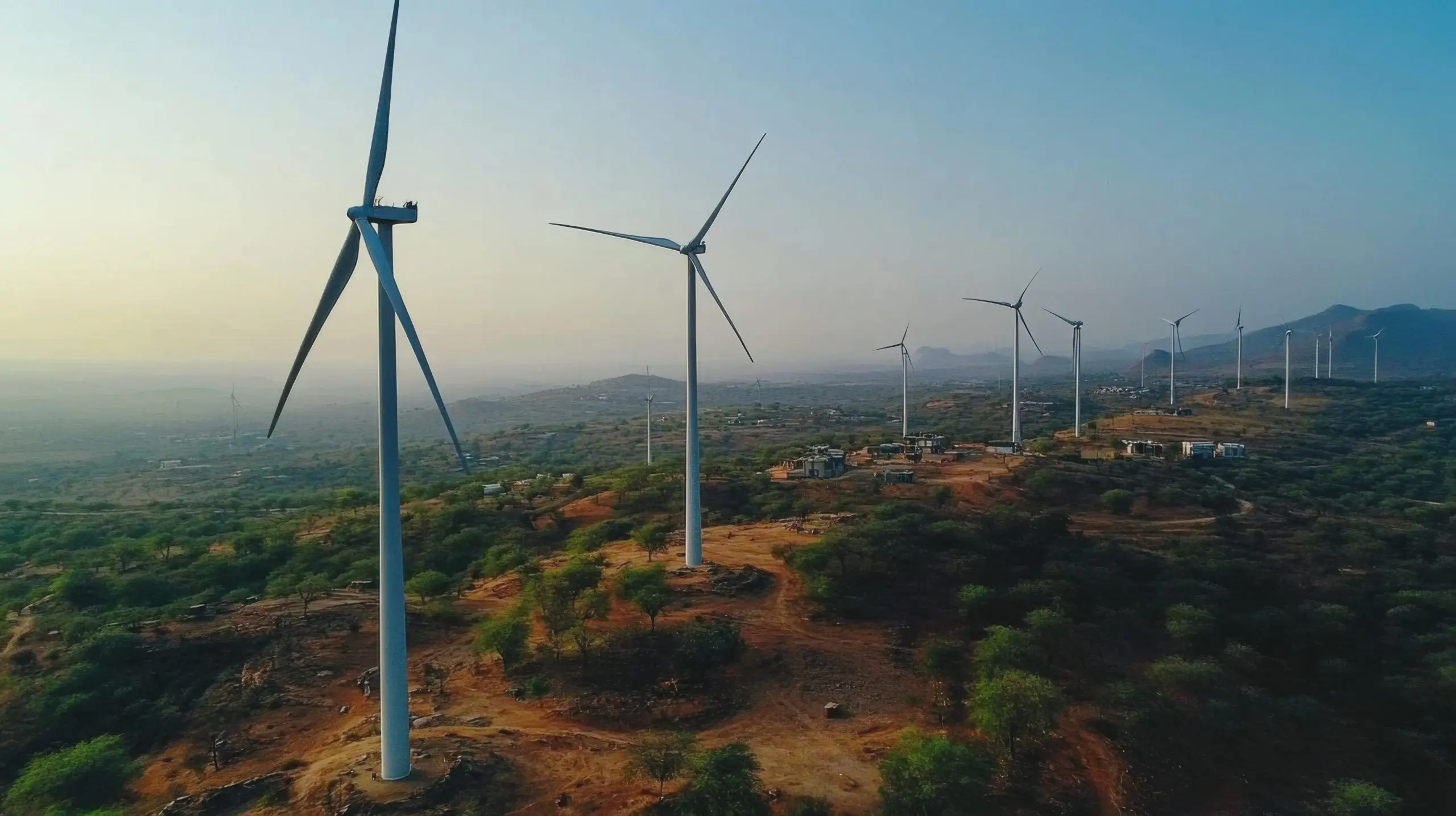
The KSA wind energy market is still developing, but it is becoming an important part of Saudi Arabia’s clean energy plans. Under National Strategic Vision, the Kingdom is working to reduce its dependence on conventional fuels and increase the role of renewables in power generation. Wind power can support Saudi Arabia’s target of generating 50% of its power from renewable sources in the coming years, along with solar and other clean technologies. The 400 MW Dumat Al Jandal wind farm, Saudi Arabia’s first major utility-scale wind project, has already shown that wind energy can work at commercial scale in the country. As we move ahead, the wind power is expected to play a larger role in creating a more balanced renewable energy mix. The market could create opportunities for developers, EPC firms, turbine suppliers, grid companies, and long-term investors. As more wind resource studies are completed, new project locations may emerge across suitable regions of the Kingdom.
Major Factors Driving Wind Energy Growth in KSA
Energy Diversification and Rising Clean Power Demand
Saudi Arabia’s wind energy market is being driven by the need to reduce dependence on oil and gas in power generation while increasing the share of renewables. Wind power can complement solar energy because it may generate electricity at different times of the day and year, helping improve overall clean power reliability. The Kingdom’s large land area, rising electricity demand, industrial expansion, and mega projects are creating more room for wind energy development.
Utility-Scale Project Success and Better Market Confidence
The success of the 400 MW Dumat Al Jandal wind farm is an important driver because it proves that utility-scale wind can be developed and operated in Saudi Arabia. Competitive procurement models, long-term power purchase agreements, and international developer participation are improving investor confidence. As turbine technology, forecasting tools, and project execution experience improve, wind energy could become a more regular part of Saudi Arabia’s renewable energy pipeline in the coming years.
KSA Government Support towards Wind Energy Market
Government support is central to the development of the KSA wind energy market. Saudi Arabia’s Vision, National Renewable Energy Program, and Saudi Green Initiative are all supporting the move toward cleaner electricity. The Kingdom’s target of generating 50% of its power from renewable sources in the coming years, gives wind developers and investors a clearer long-term direction. The Ministry of Energy’s renewable energy program is helping shape the future mix of clean power in the country. Projects such as Dumat Al Jandal show how policy support can turn wind energy plans into operating assets. Continued auctions and long-term power purchase agreements will be important for attracting private and international investment. As renewable energy targets move into execution, wind power is expected to receive stronger attention in future project planning.
Competitive Landscape of KSA Wind Energy Market
The KSA wind energy market includes local utilities, international renewable developers, EPC contractors, turbine manufacturers, and infrastructure investors. The Dumat Al Jandal project involved major global players such as EDF Renewables and Masdar, supported by long-term power procurement structures. As new wind projects are announced, competition is expected to grow among developers with utility-scale renewable energy experience. Companies will compete on project financing, turbine technology, execution capability, grid integration expertise, and local content commitments. Partnerships between Saudi entities and international wind specialists will remain important as the market scales. Firms with experience in desert conditions and large renewable projects are likely to be better positioned for future opportunities.
Key Barriers Slowing Wind Energy Growth in KSA
Wind Resource Variability and Grid Connection Challenges
The KSA wind energy market faces challenges related to wind resource variability, site selection, and grid integration. Compared with solar, wind projects require detailed site assessments, long-term wind measurement, and careful turbine selection before construction begins. Transmission infrastructure may also need upgrades to connect suitable wind zones with major demand centers, which can affect project timelines and costs.
Harsh Climate, Project Bankability, and Pipeline Visibility
Heat, dust, sand exposure, and remote project locations can affect turbine performance, maintenance planning, and operating costs. Wind projects also require strong financing structures, bankable power purchase agreements, and clear procurement schedules to attract investors. A more visible long-term project pipeline will be important for building confidence among developers, turbine suppliers, and EPC contractors.
Future Outlook
As we move ahead, the KSA wind energy market is expected to move beyond its early project base toward wider utility-scale development. Growth will be supported by National Vision, renewable energy targets, grid modernization, and the need for a more balanced clean power mix. The 400 MW Dumat Al Jandal wind farm provides a strong reference point for future wind projects in the Kingdom. Wind power is likely to complement solar PV by improving renewable generation diversity and supporting energy security. As procurement models mature and technology costs improve, more developers may enter the Saudi wind market. With consistent policy support and stronger grid readiness, wind energy could become a meaningful part of Saudi Arabia’s clean energy sector. The market’s long-term success will depend on clear project pipelines, strong partnerships, and reliable execution across development, construction, and operations.
Consultants at Nexdigm, in their latest publication KSA Wind Energy Market Outlook to 2035, analyze the sector by End User Segment (Residential Customers, Commercial Businesses, Industrial Facilities, Utilities, Government Entities), by Procurement Channel (Direct Procurement, Government Tenders, Private Sector Procurement, Online Procurement Platforms, Third party Distributors).
Nexdigm suggests that businesses should actively explore and invest in wind energy to align with the country’s growing renewable energy goals. By embracing wind power, companies can reduce their energy costs, support sustainability initiatives, and enhance their competitiveness in a green energy market. Furthermore, businesses should take advantage of government incentives to leverage technological advancements in wind energy systems.
To take the next step, simply visit our Request a Consultation page and share your requirements with us.
Harsh Mittal
+91-8422857704