
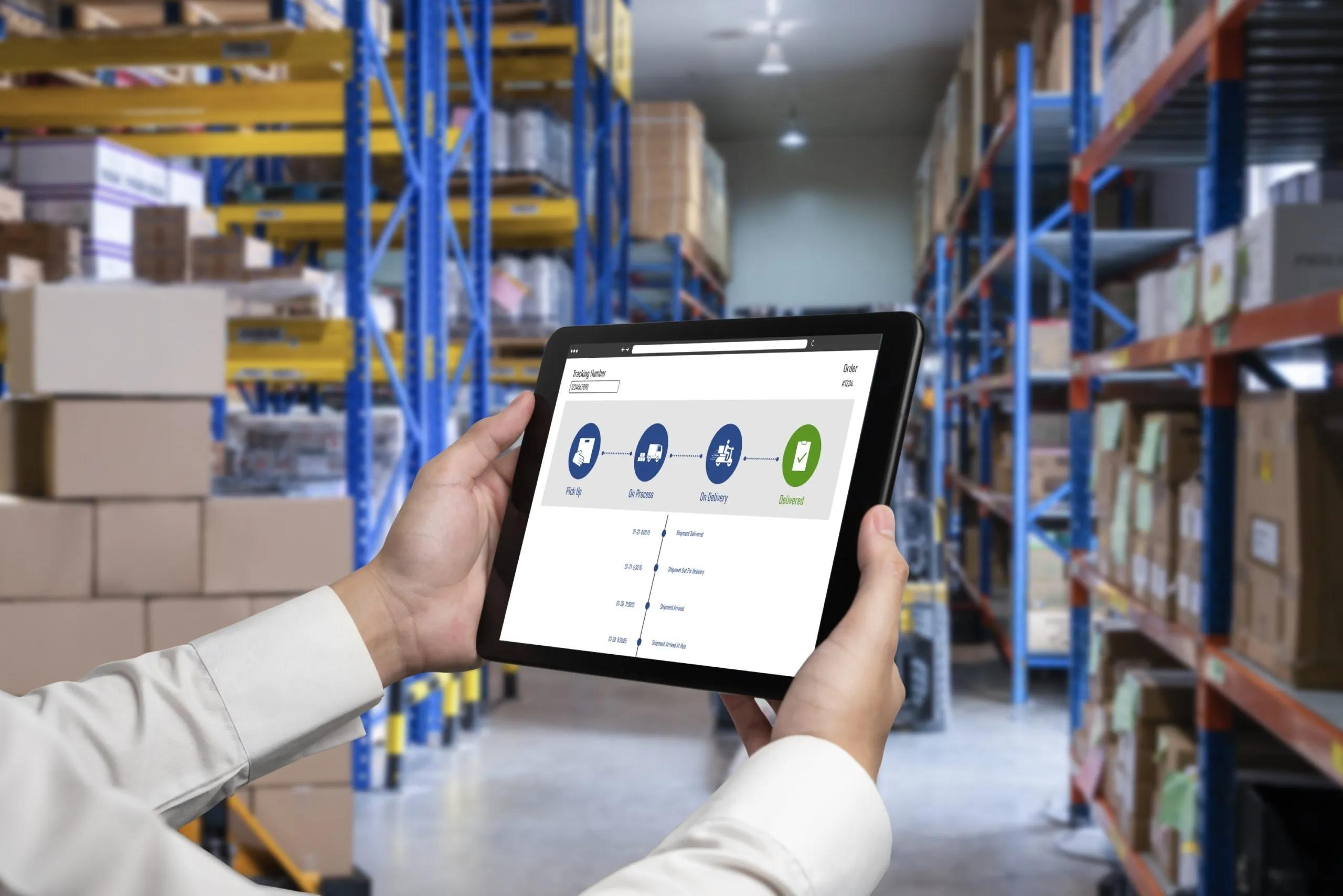
A logistics price positioning study helps service providers compare freight rates, delivery commitments, reliability standards, and customer value across competitive markets. Through structured pricing analysis, cost benchmarking, service-level assessment, and competitor evaluation, logistics companies can identify pricing gaps and refine market positioning.
This approach supports differentiated offers, stronger contract negotiations, improved margin management, and clearer value communication. By balancing price competitiveness with operational performance and delivery speed, providers can design sustainable pricing strategies that attract customers and strengthen long-term commercial relevance.
Current indicators support positioning, as the global logistics market is projected at $4.33 trillion in 2026, while worldwide goods trade reached approximately $13.7 trillion during the first half, creating stronger demand for pricing analysis, dependable service, faster delivery, and performance.
Integrated Pricing Analysis for Logistics Cost and Delivery Differentiation
Integrated pricing analysis helps logistics providers balance cost efficiency, service reliability, and delivery speed, enabling differentiated offers, customer retention, and sustainable commercial performance across markets globally. Some major advantages of the same are:
- Stronger Cost Competitiveness: Benchmarking operating expenses, carrier rates, and service costs enables providers to develop competitive prices without weakening profitability or delivery performance.
- Clearer Service Differentiation: Linking prices with reliability, tracking, handling quality, and delivery commitments helps providers communicate distinct value and justify premium service positioning.
- Improved Margin Protection: Analyzing route economics, cost fluctuations, and service requirements supports timely price adjustments that protect margins across volatile logistics markets and contracts.
- Improved Market Positioning: Balanced analysis of price, reliability, and delivery speed helps logistics providers establish distinctive market positions and strengthen long-term competitive advantage.
Nexdigm’s Advanced Pricing Analysis Support for Logistics Competitiveness
Nexdigm’s Advanced Pricing Analysis for Logistics Competitiveness combines logistics price positioning studies, pricing analysis, competitive pricing analysis, freight cost benchmarking, service-value assessment, and market intelligence to help providers optimize commercial performance. Leveraging pricing analytics, route profitability analysis, customer segmentation, and delivery-cost optimization, Nexdigm enables logistics organizations to strengthen competitive positioning, improve margins, refine pricing strategies, and enhance cost, reliability, and delivery differentiation across dynamic logistics markets.
Nexdigm’s Data-Driven Logistics Pricing Analysis Roadmap
Nexdigm’s Logistics Pricing Execution Roadmap converts market, cost, customer, and service insights into actionable pricing steps, strengthening competitiveness, margin control, quotation consistency, and logistics performance across dynamic markets globally. Key steps of the roadmap are:
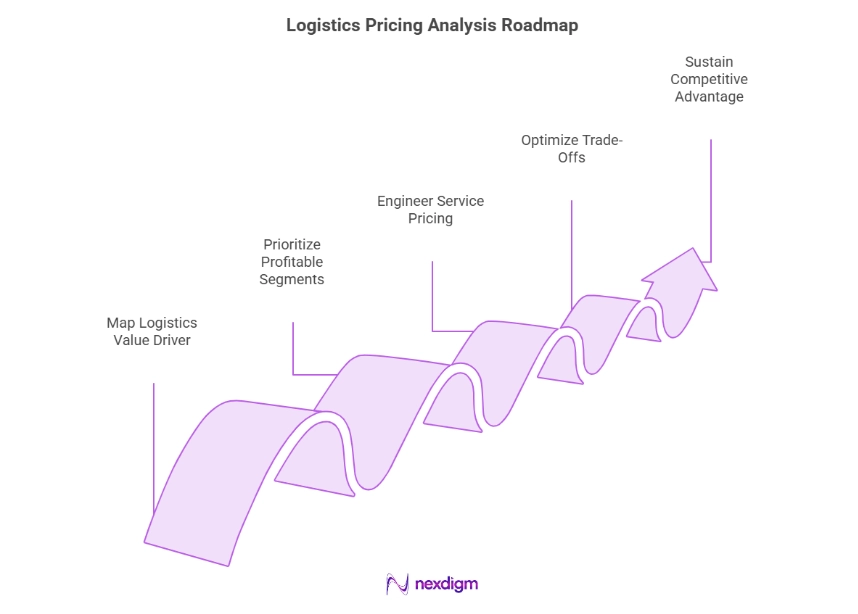
- Map Logistics Value Drivers: Identify the operational and commercial factors that influence pricing, including route complexity, service quality, transit times, and customer expectations.
- Prioritize Profitable Segments: Evaluate customers and shipment profiles to focus pricing strategies on high-value opportunities and sustainable growth areas.
- Engineer Service-Based Pricing: Align prices with differentiated service levels, delivery commitments, and value-added capabilities to strengthen market positioning.
- Optimize Pricing Trade-Offs: Balance cost efficiency, service reliability, and speed through scenario analysis and commercial simulations.
- Sustain Competitive Advantage: Track market changes and pricing performance to continuously refine strategies and maintain long-term competitiveness.
Nexdigm’s Case
Nexdigm supported a logistics provider through pricing analysis, route benchmarking, customer segmentation, and service-level assessment. The engagement improved quote conversion by 14%, increased average margins by 11%, reduced pricing turnaround by 26%, and strengthened contract retention across priority markets globally.
To take the next step, simply visit our Request a Consultation page and share your requirements with us.
Harsh Mittal
+91-8422857704