
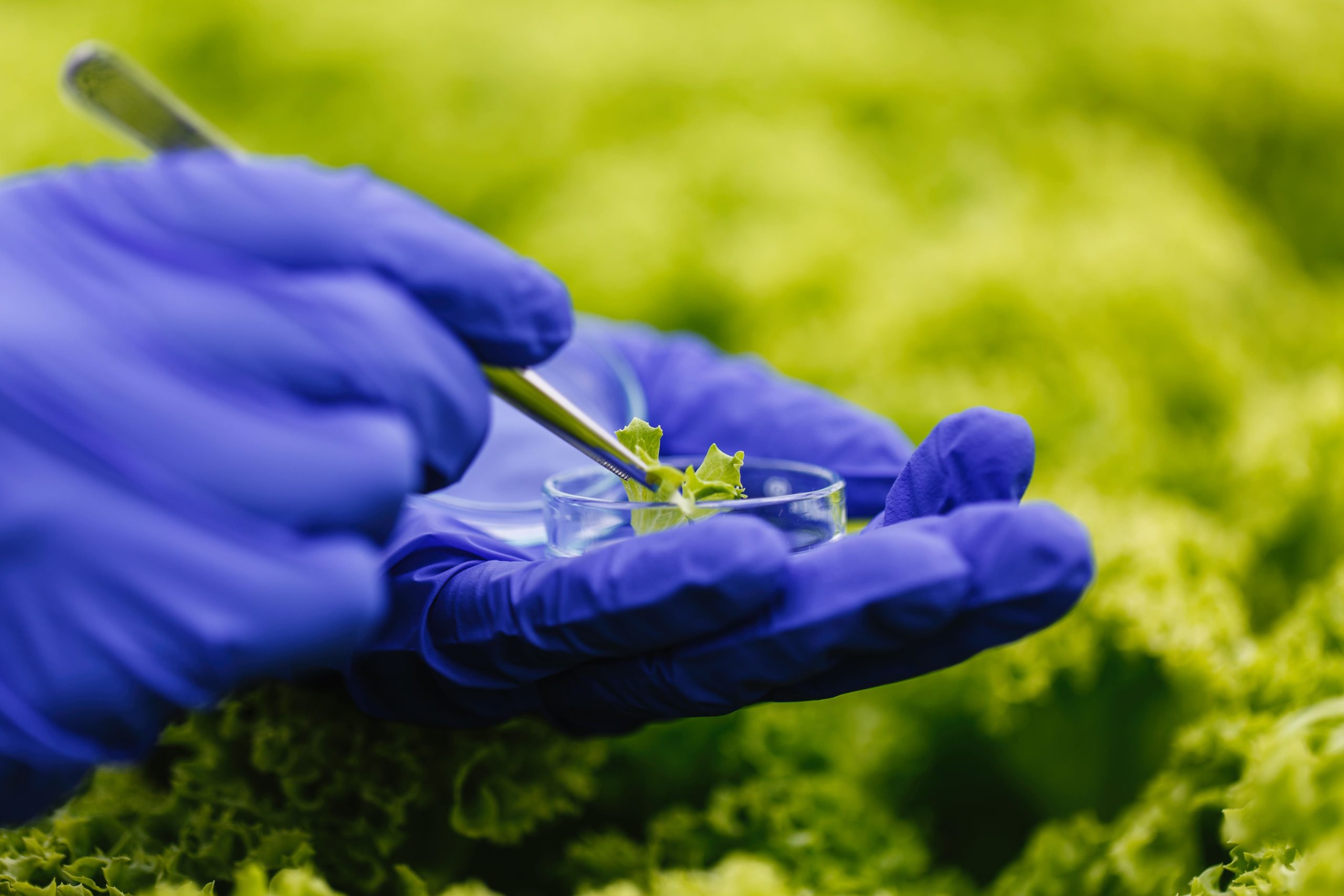
The Malaysia agrochemical market is experiencing a steady transformation as the country strengthens its food security agenda and modernizes agricultural practices. Malaysia’s agricultural sector remains vital for key crops such as palm oil, rubber, rice, and fruits & vegetables. As of 2025, Malaysia continued to rely on imported active ingredients for a large share of fertilizers, pesticides, and specialty crop protection chemicals, exposing the market to global price volatility and supply chain risks. At the same time, climate variability, pest pressure, and the need to improve crop yields on limited arable land are increasing the adoption of agrochemicals across commercial plantations and smallholder farms. The market is gradually shifting toward higher-value specialty products, including bio-based and low-toxicity solutions, positioning Malaysia for a more sustainable and productivity-driven agrochemical landscape through 2035.
What’s Driving the Agrochemical Market in Malaysia?
Expansion of Commercial Plantations and Yield Optimization
Malaysia remains one of the world’s largest producers of palm oil, with plantations accounting for a significant share of agrochemical consumption. Rising pressure to improve yields per hectare is encouraging plantation operators to adopt advanced herbicides, fungicides, and nutrient management programs. With limited scope for agricultural land expansion due to environmental constraints, productivity improvement is becoming the primary growth lever, directly supporting demand for precision-applied fertilizers and crop protection products.
Climate Variability and Pest Pressure
Erratic rainfall patterns and rising temperatures are increasing the incidence of pests and plant diseases across oil palm, rice, and horticulture crops. Farmers are responding with more frequent and targeted application of fungicides and insecticides to protect yields. This trend is accelerating the shift from broad-spectrum chemicals to crop-specific formulations that minimize resistance build-up and improve efficacy under tropical conditions.
Adoption of Precision Farming and Digital Advisory Tools
The gradual adoption of precision agriculture technologies—such as drone-based spraying, soil testing, and digital farm advisory platforms—is improving the efficiency of agrochemical usage. These tools help farmers optimize dosage and timing, reducing wastage and improving return on investment. Large plantations are increasingly integrating data-driven nutrient management systems, which is driving demand for customized fertilizer blends and specialty micronutrients.
Government-Led Initiatives Supporting Sustainable Agriculture
The Malaysian government continues to promote sustainable agriculture through policies focused on food security, environmental protection, and smallholder productivity. Programs supporting Good Agricultural Practices (GAP), integrated pest management (IPM), and certification standards for palm oil are encouraging the adoption of safer and more sustainable agrochemicals. Incentives for local formulation and packaging, alongside R&D support for bio-based crop protection products, are also helping reduce dependence on imports of finished formulations while strengthening domestic value addition.
Market Competition and Industry Landscape
The Malaysia agrochemical market is moderately concentrated, with multinational players such as Bayer CropScience, Syngenta, BASF, and Corteva Agriscience competing alongside regional formulators and local distributors. Global firms dominate high-value specialty products, while local companies focus on generic formulations and distribution networks reaching smallholder farmers. Strategic partnerships between global manufacturers and domestic formulators are increasing, enabling localized product adaptation and improved last-mile reach.
High Import Dependency and Regulatory Pressures
Despite growing domestic formulation capacity, Malaysia remains highly dependent on imported active ingredients, particularly for advanced herbicides and fungicides. This exposes the market to foreign exchange fluctuations and supply disruptions. Additionally, tighter environmental regulations and residue limits are increasing compliance costs for manufacturers and distributors. While these regulations are essential for sustainability and food safety, they may raise short-term product costs and accelerate the phase-out of older, low-cost chemical formulations.
Future Outlook
The Malaysia agrochemical market is expected to witness stable growth through 2035, driven by productivity-focused farming, climate resilience needs, and the gradual shift toward sustainable crop protection solutions. By 2035, specialty agrochemicals and bio-based products are expected to account for a larger share of market value, supported by regulatory encouragement and export-oriented sustainability standards in palm oil and horticulture. Precision application technologies and digital advisory services will further optimize chemical usage, improving cost efficiency for plantations and smallholders alike.
Consultants at Nexdigm, in their latest publication “Malaysia Agrochemical Market Outlook to 2035”, analyzed the market by Product Type (Fertilizers, Herbicides, Insecticides, Fungicides, Bio-based Crop Protection), By Crop Type (Palm Oil, Rice, Rubber, Fruits & Vegetables, Others), and By Distribution Channel (Direct Sales to Plantations, Agri-Dealers, Cooperatives, Digital Platforms). Nexdigm believes that businesses should prioritize local formulation capabilities, sustainable product portfolios, and precision-application partnerships while aligning offerings with evolving regulatory and sustainability standards to capture long-term growth in Malaysia’s agrochemical market.
To take the next step, simply visit our Request a Consultation page and share your requirements with us.
Harsh Mittal
+91-8422857704