
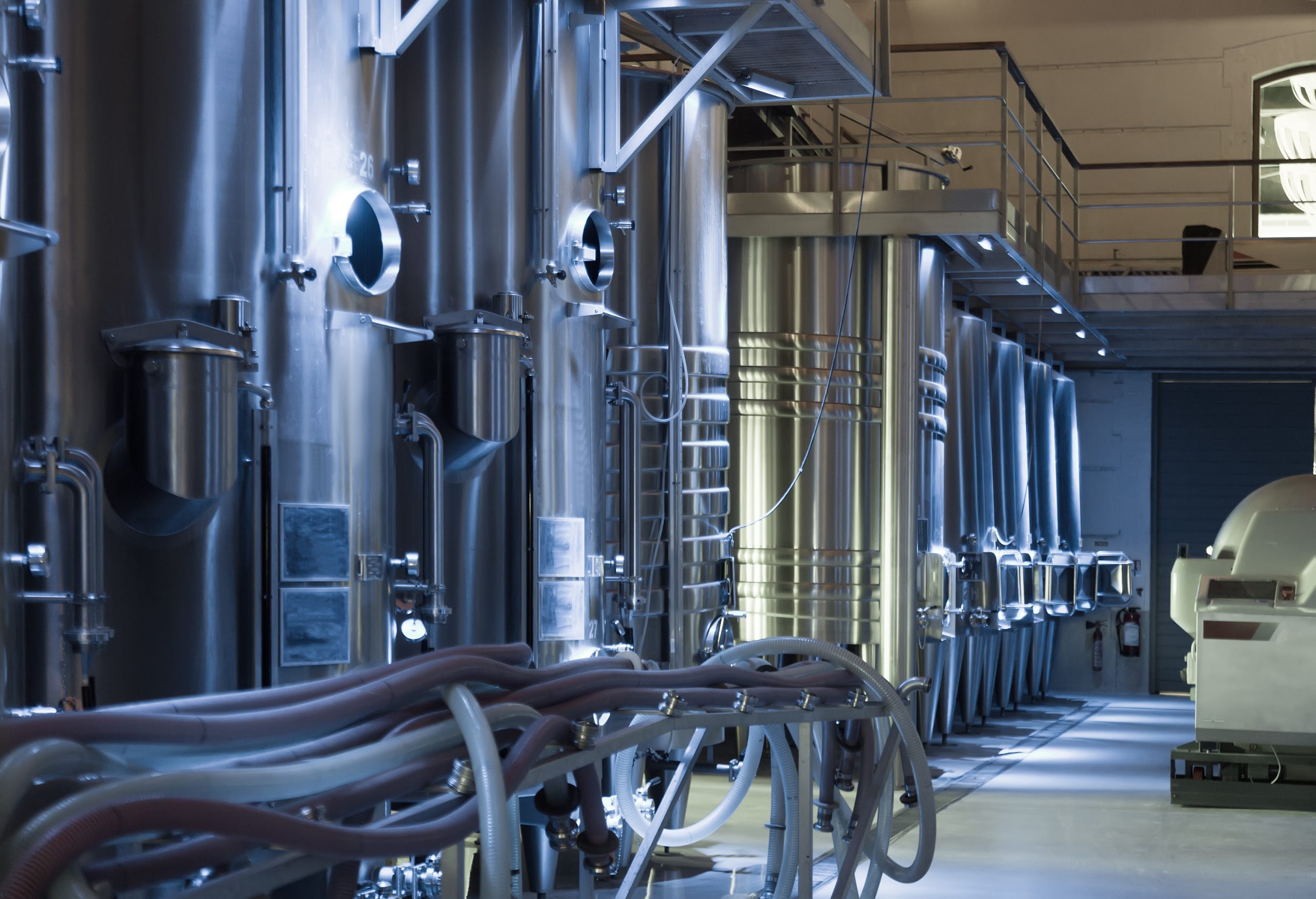
Malaysia’s industrial sector continues to evolve, creating strong demand for industrial gases such as oxygen, nitrogen, and argon. Air Separation Units (ASUs) play a vital role in supplying these gases to industries including electronics, chemicals, healthcare, metals, and food processing. As Malaysia strengthens its position as a regional manufacturing hub, investments in semiconductor production, industrial parks, and energy infrastructure are increasing the need for reliable gas generation facilities. The country’s robust export-oriented economy and expanding industrial base are creating favorable conditions for the growth of the Malaysia Air Separation Unit industry.
Market Drivers Advancing the Malaysia’s Air Separation Unit Industry
Expanding Electronics and Semiconductor Manufacturing Sector
Malaysia is among Southeast Asia’s leading electronics manufacturing destinations, contributing significantly to global semiconductor packaging, testing, and assembly activities. The electronics and electrical sector accounts for a substantial share of Malaysia’s manufacturing exports. Semiconductor fabrication and electronics production require large volumes of ultra-high-purity nitrogen and other industrial gases, driving demand for advanced Air Separation Units. Major investments from global technology companies and semiconductor manufacturers continue to strengthen the country’s industrial ecosystem. As production capacities expand, suppliers of industrial gases are increasingly investing in larger and more efficient ASUs near manufacturing clusters.
Rising Demand from Healthcare and Medical Gas Applications
The healthcare sector is becoming another important demand center for ASUs. Medical oxygen remains an essential component of hospitals, emergency care facilities, and healthcare centers across the country. Malaysia has a healthcare system supported by hundreds of public and private hospitals, creating consistent demand for oxygen production and storage infrastructure. Growing healthcare investments, alongside rising health awareness, are encouraging industrial gas companies to enhance production capabilities and improve supply reliability.
Growth in Chemicals, Refining, and Heavy Industries
Malaysia hosts a well-developed petrochemical and refining industry, particularly around industrial hubs such as Johor and Pengerang. Industrial gases are widely used in refining operations, chemical processing, welding, metal fabrication, and environmental applications. Large-scale industrial projects, increasing energy demand, and ongoing industrial modernization initiatives are generating opportunities for ASU manufacturers and gas suppliers. Nitrogen is extensively used for inerting and purging operations, while oxygen supports combustion efficiency and industrial processing applications across multiple sectors.
Government Initiatives Supporting the Malaysia Air Separation Unit Industry
The Malaysian government continues to encourage industrial investments through programs designed to strengthen advanced manufacturing and high-value industries. Initiatives under the New Industrial Master Plan (NIMP) emphasize technology adoption, sustainability, industrial automation, and supply chain resilience. In addition, investments attracted through agencies such as the Malaysian Investment Development Authority (MIDA) support sectors that heavily depend on industrial gases, indirectly creating favorable opportunities for Air Separation Unit installations and capacity expansion.
Competitive Landscape of the Malaysia Air Separation Unit Industry
Malaysia’s Air Separation Unit market is characterized by the presence of established industrial gas suppliers and engineering companies. Global players such as Air Liquide, Linde, Air Products, Messer, and regional gas suppliers maintain a strong footprint through production facilities, distribution networks, and long-term industrial contracts. Competition increasingly revolves around energy efficiency, gas purity standards, production reliability, and strategic partnerships with large industrial customers. Companies are also investing in digital monitoring technologies to optimize plant performance and reduce operational costs.
Challenges Facing Malaysia’s Air Separation Unit Industry
High Energy Consumption and Operating Costs
Air Separation Units are energy-intensive facilities that require continuous operation. Fluctuating electricity prices and rising energy costs can affect operational profitability and investment returns for plant operators.
Capital-Intensive Project Development
Building large-scale ASUs involves significant upfront investments in equipment, engineering, storage infrastructure, and distribution systems. Long project timelines and the need for stable industrial demand can create challenges for new market entrants seeking to establish production facilities.
Future Outlook
Malaysia’s Air Separation Unit industry is expected to benefit from ongoing industrialization, growing semiconductor investments, healthcare infrastructure expansion, and rising demand for industrial gases across manufacturing sectors. The increasing focus on advanced electronics, sustainable industrial operations, and high-value manufacturing will continue to create opportunities for ASU deployment. As industries seek greater operational efficiency and reliable gas supplies, companies are likely to invest in next-generation Air Separation Units featuring improved energy efficiency, automation, and environmental performance. These developments are expected to strengthen Malaysia’s position as an important industrial gas production hub within Southeast Asia.
Consultants at Nexdigm, in their latest publication “Malaysia Air Separation Unit Market Outlook to 2035” analyze the sector By End User Industry Sector (Ethylene Production Feedstock Support and Nitrogen Inserting for Storage Tanks), By Project Delivery Model (Build-Own-Operate and Equipment Rental and Maintenance Services) and By Supply Purity Grade (Industrial Grade >99.5% and Electronic Grade 99.9999%).
Nexdigm suggests that businesses in “Malaysia Air Separation Unit Industry” focusses on oilfield, desalination, construction, and industrial applications, strengthen local warehousing, develop application-specific grades, improve technical support, and build resilient sourcing networks to serve expanding energy, water, and manufacturing demand.
To take the next step, simply visit our Request a Consultation page and share your requirements with us.
Harsh Mittal
+91-8422857704