
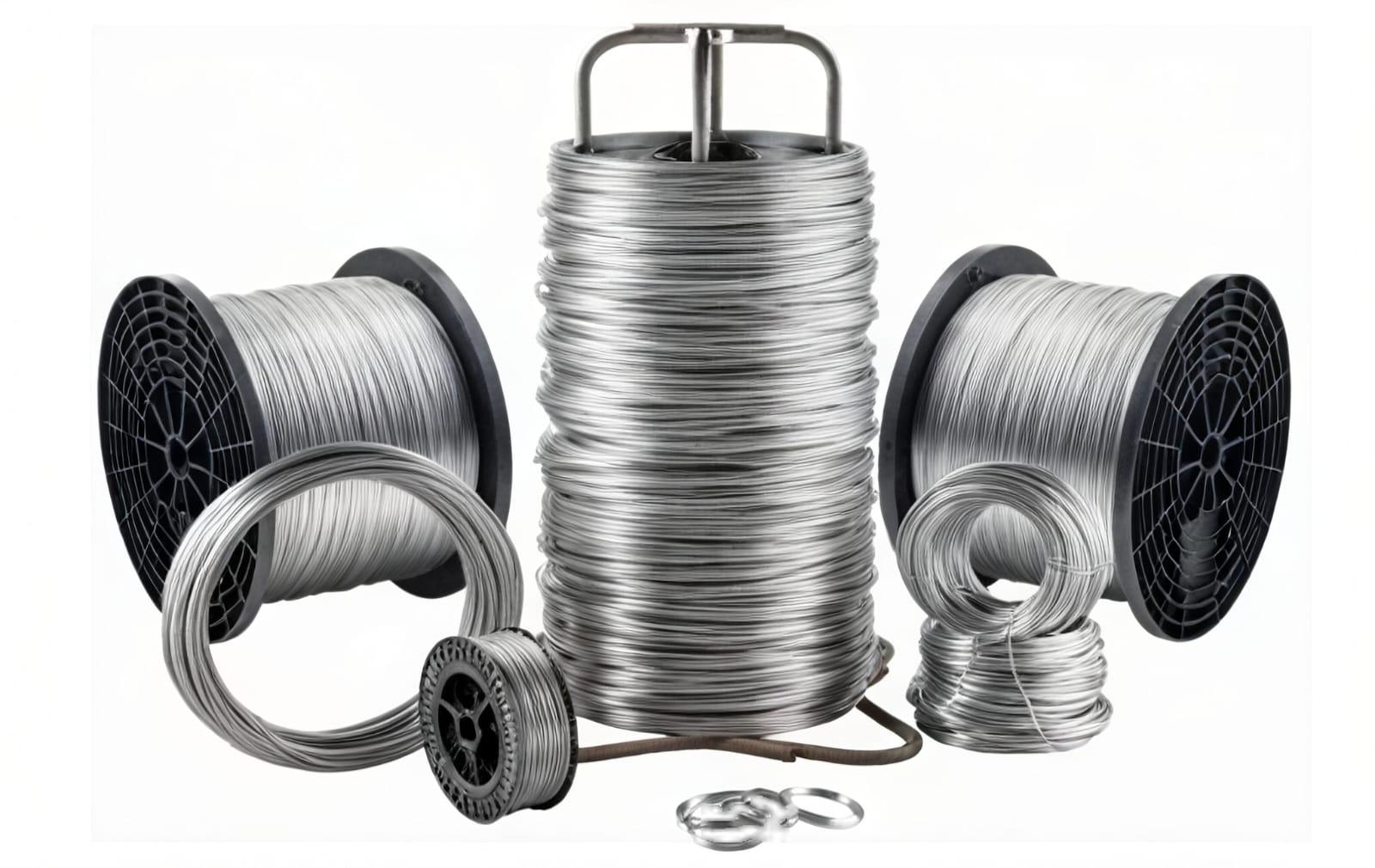
Malaysia’s power transmission network is evolving rapidly as the country strengthens its electricity infrastructure, expands renewable energy integration, and supports industrial development. Aluminum alloy conductors have become a preferred choice for utilities due to their high conductivity, corrosion resistance, and cost efficiency compared to traditional conductor materials. With electricity demand continuing to rise alongside urbanization and industrial growth, investments in transmission and distribution networks are creating significant opportunities for conductor manufacturers. The growing focus on grid modernization and sustainable energy projects is further enhancing the importance of aluminum alloy conductors across Malaysia.
Market Drivers Advancing the Malaysia Aluminum Alloy Conductors Industry
Rising Investments in Grid Expansion and Transmission Infrastructure
Malaysia continues to invest heavily in strengthening its electricity transmission network to ensure reliable power delivery. Rapid urban growth, industrial parks, smart cities, and large-scale infrastructure projects are increasing the demand for efficient power transmission systems. According to energy sector estimates, Malaysia’s electricity generation capacity exceeds 40 GW, while electricity demand continues to grow steadily across residential, commercial, and industrial sectors. To support this growth, utilities are upgrading transmission lines with lightweight, durable, and high-capacity conductors. Aluminum alloy conductors are increasingly being selected because they offer lower installation costs and better mechanical performance over long distances.
Renewable Energy Integration Accelerating Conductor Demand
Malaysia’s renewable energy ambitions are creating new requirements for transmission infrastructure. The country has been increasing investments in solar power projects under various national energy transition programs. Large-scale solar developments require efficient power evacuation systems connecting generation facilities to substations and national grids. Aluminum alloy conductors provide the strength and conductivity needed to manage fluctuating renewable power generation while minimizing transmission losses. As renewable capacity expands, demand for advanced conductor solutions is expected to rise significantly across utility-scale projects and grid interconnection developments.
Industrialization and Urban Development Supporting Market Growth
Malaysia remains a major manufacturing hub in Southeast Asia, attracting investments in electronics, semiconductors, automotive production, and data centers. These industries depend on stable and high-capacity electricity supply networks. Growing urban centers and industrial corridors are driving new transmission and distribution projects nationwide. Aluminum alloy conductors are widely preferred in these installations due to their balance of durability, lightweight characteristics, and long operational lifespan. Their ability to reduce maintenance costs makes them particularly attractive for utility operators seeking long-term infrastructure efficiency.
Government Initiatives Supporting the Malaysia Aluminum Alloy Conductor Industry
The Malaysian government continues to strengthen the energy sector through initiatives under the National Energy Transition Roadmap (NETR) and renewable energy expansion strategies. Investments in transmission upgrades, cross-border power connectivity, solar energy integration, and grid modernization projects are encouraging the adoption of advanced conductor technologies. These policies aim to improve energy security while supporting cleaner and more efficient electricity infrastructure across the country.
Competitive Landscape of the Malaysia Aluminum Alloy Conductors Sector
The market features a mix of global and regional manufacturers competing through product quality, conductivity performance, and project-based partnerships. Key participants include Prysmian Group, Nexans, Lamifil, Apar Industries, and various regional cable and conductor suppliers. Companies are focusing on technological advancements, customized conductor solutions, and long-term utility contracts to strengthen their presence in Malaysia’s expanding transmission and distribution sector.
Challenges Facing the Malaysia Aluminium Alloy Conductors Industry
Volatility in Aluminum Raw Material Prices
Fluctuations in global aluminum prices can impact manufacturing costs and profit margins for conductor producers. Since aluminum is the primary raw material, price instability often creates procurement and pricing challenges throughout the supply chain.
Competition from Alternative Conductor Technologies
Although aluminum alloy conductors offer several advantages, they face competition from conventional ACSR conductors and emerging high-temperature low-sag technologies. Utilities must carefully evaluate performance, cost, and lifecycle benefits before selecting conductor systems for new projects.
Future Outlook
The future of Malaysia’s aluminum alloy conductors market appears highly promising, supported by transmission network expansion, renewable energy integration, and industrial development. As the country advances its energy transition objectives and modernizes aging grid infrastructure, demand for reliable conductor technologies is expected to strengthen. Manufacturers that offer high-performance, cost-effective, and sustainable conductor solutions will be well-positioned to capitalize on emerging opportunities. Continued investments in smart grids, renewable power connections, and regional electricity interconnections are likely to sustain long-term market growth across Malaysia.
Consultants at Nexdigm, in their latest publication “Malaysia Aluminum Alloy Conductors Market Outlook to 2035” analyze the sector By Conductor Type (Galvanized Steel Core and ALuminium-Clad Steel), By End User Utility Segment (National Utility Providers, Independent Power Producers and Industrial Energy Consumers) and By Application Area (Urban Distribution networks, Rural Electrification Projects and Industrial Zone Feeders).
Nexdigm suggests that businesses in “Malaysia Aluminum Alloy Conductors Industry” focusses on oilfield, desalination, construction, and industrial applications, strengthen local warehousing, develop application-specific grades, improve technical support, and build resilient sourcing networks to serve expanding energy, water, and manufacturing demand.
To take the next step, simply visit our Request a Consultation page and share your requirements with us.
Harsh Mittal
+91-8422857704