
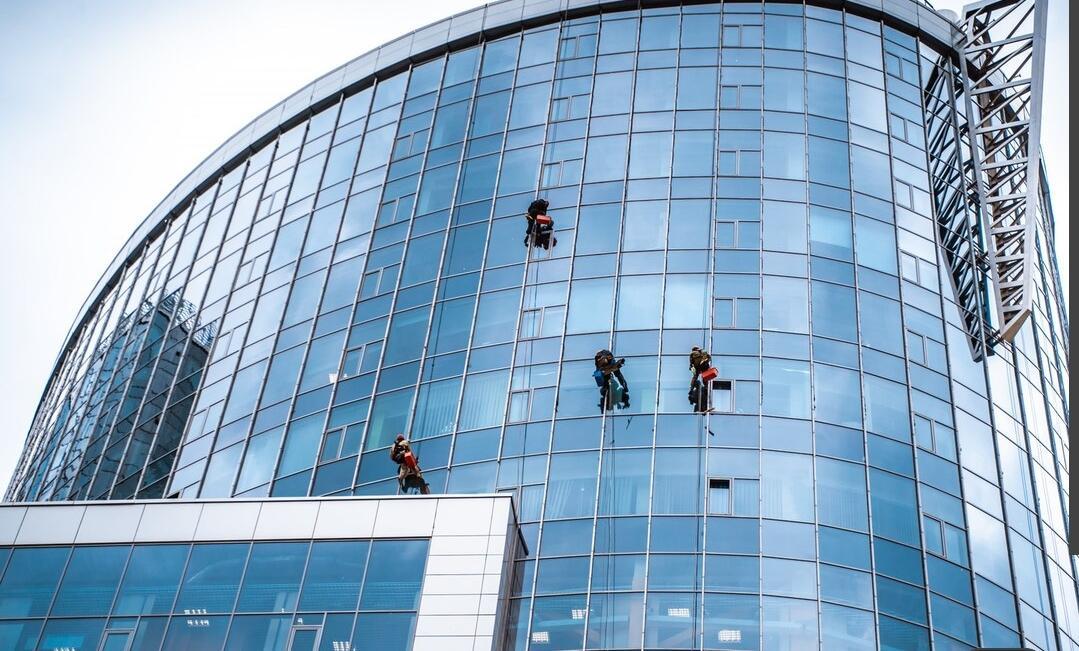
The Malaysia architectural and construction glass market is witnessing steady growth, supported by rising urbanization, infrastructure development, and increasing demand for sustainable building materials. The market is valued at approximately USD 1.42 billion and is projected to expand at a CAGR of around 5.4% through the forecast period. Growing adoption of energy-efficient glazing solutions, coupled with stricter construction standards, is encouraging the use of advanced glass products in commercial, residential, and institutional projects. Major construction hubs such as Shah Alam and Johor Bahru continue to drive market demand.
Market Drivers Advancing the Malaysia Architectural and Construction Glass Growth
Growing Demand for Energy-Efficient Buildings
Malaysia’s tropical climate has increased the adoption of high-performance coated glass and low-emissivity (Low-E) glass solutions. These products help reduce heat transfer, lower energy consumption, and enhance indoor comfort. Green building certifications and sustainability goals are further encouraging developers to integrate advanced glazing systems into modern construction projects. As energy costs rise, architects and property developers are prioritizing glass solutions that improve building efficiency.
Expansion of Construction and Infrastructure Projects
The growth of residential complexes, mixed-use developments, commercial towers, and public infrastructure projects is fueling demand for architectural glass. Rapid urbanization in cities such as Kuala Lumpur, Johor Bahru, and Penang has created significant opportunities for glass manufacturers and processors. Increasing investments in transportation infrastructure, smart cities, and industrial parks are further accelerating market expansion.
Advancements in Glass Manufacturing Technologies
Manufacturers are investing in automation, tempering, lamination, and coating technologies to improve product quality and operational efficiency. Advanced processing capabilities enable the production of safety glass, laminated glass, insulated glass units, and decorative glass solutions that meet modern construction requirements. The growing focus on sustainable production methods and recycled glass utilization is also contributing to long-term industry growth.
Government Initiatives Supporting Malaysia Architectural and Construction Glass Industry
The Malaysian government continues to promote sustainable construction practices through green building initiatives and energy-efficiency programs. Regulatory standards enforced by the Construction Industry Development Board (CIDB), including compliance requirements for safety glass applications, encourage the adoption of high-quality architectural glass products. Various urban development and infrastructure programs also support investment in modern construction materials that align with environmental sustainability objectives.
Competitive Landscape of Malaysia Architectural and Construction Glass Sector
The market features a mix of domestic manufacturers, processors, and international suppliers. Key industry participants focus on expanding production capacity, adopting advanced manufacturing technologies, and offering specialized glass solutions for commercial and residential applications. Companies are increasingly investing in coated, laminated, and tempered glass products to address evolving customer requirements. Strategic partnerships with construction firms and developers remain a common growth strategy across the industry.
Challenges Impacting Malaysia Architectural and Construction Glass Industry
Rising Raw Material and Energy Costs
Glass production is energy-intensive, making manufacturers vulnerable to fluctuations in fuel and electricity prices. Increasing raw material costs can impact profit margins and lead to higher product prices for end users.
Compliance and Environmental Requirements
Manufacturers must continuously adapt to evolving safety, environmental, and quality regulations. Meeting strict compliance standards often requires significant investment in technology upgrades, process improvements, and sustainability initiatives.
Future Outlook
The future of Malaysia’s architectural and construction glass market remains positive, supported by ongoing urban development, expanding infrastructure investments, and the growing emphasis on green buildings. Demand for energy-efficient and safety-enhancing glass products is expected to rise steadily as sustainability becomes a key priority across the construction sector. Technological advancements in glass processing, combined with increased use of recycled materials, will create new opportunities for manufacturers. With the market projected to reach approximately USD 2.41 billion, industry participants are well-positioned to benefit from long-term growth and innovation trends.
Consultants at Nexdigm, in their latest publication “Malaysia Architectural and Construction Glass Market Outlook to 2035 ,” analyze the sector By (Scope Definition for Malaysian Market, Top-Down Market Sizing Validation, Bottom-Up Project-Based Demand Estimation, CIDB Data Aggregation and Analysis, Executive Interview Synthesis Protocols,).
Nexdigm suggests that businesses in the Malaysia Architectural and Construction Glass Industry focus on energy-efficient glazing solutions, advanced glass processing technologies, and sustainable manufacturing practices. Growing construction activity, green building adoption, and regulatory support are creating significant opportunities for innovation, capacity expansion, and long-term market growth.
To take the next step, simply visit our Request a Consultation page and share your requirements with us.
Harsh Mittal
+91-8422857704