
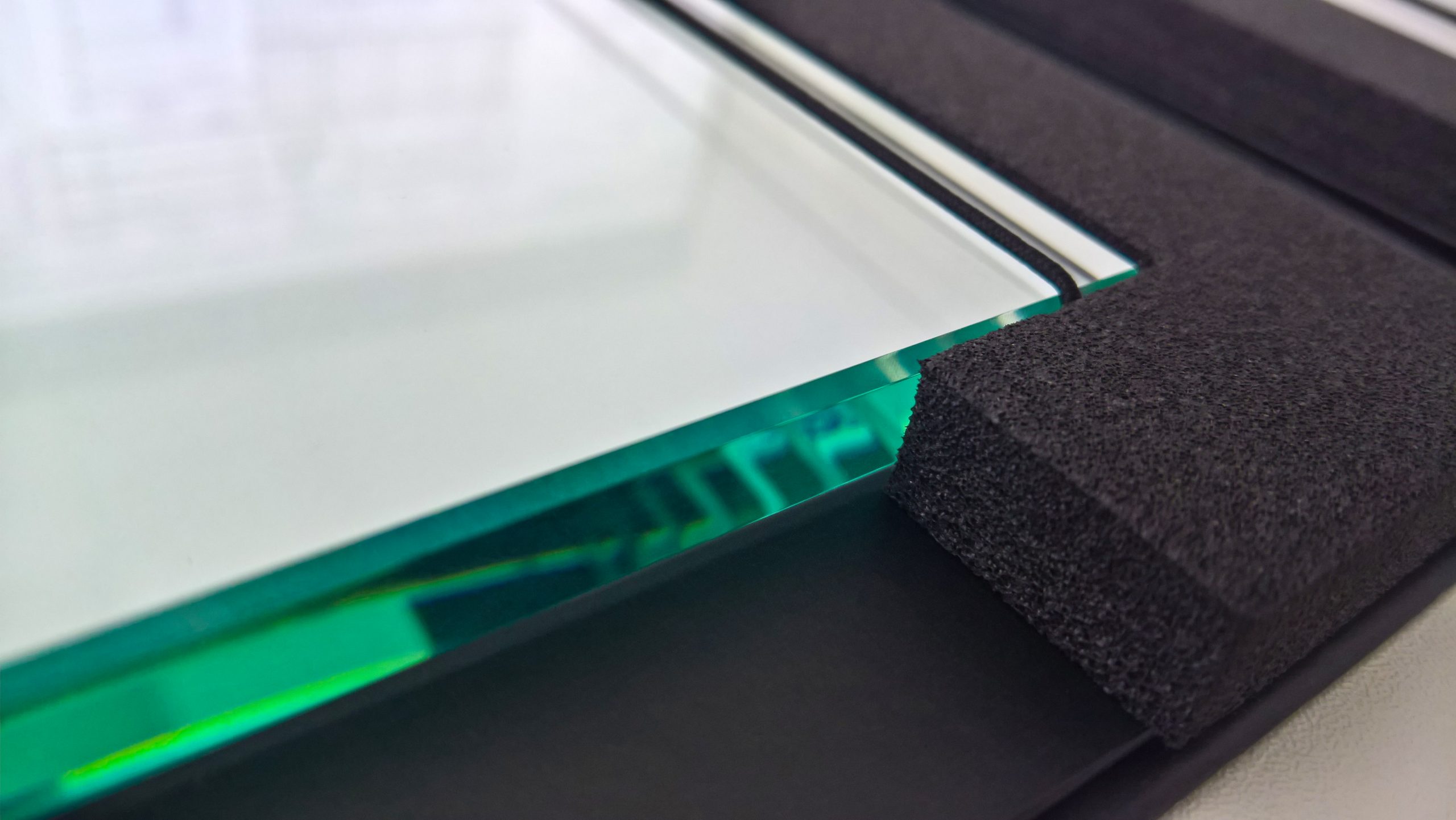
Malaysia’s coated glass market is gaining momentum as developers, architects, and manufacturers place greater emphasis on energy efficiency, heat control, and sustainable design. The country’s tropical climate makes solar-control and Low-E glass especially relevant for offices, hotels, malls, residential towers, and industrial buildings. Malaysia’s construction sector also provides a strong demand base, with the value of construction work reaching RM178.6 billion in 2025, up 12.5% from the previous year. Non-residential building activity increased by 18.6%, strengthening opportunities for high-performance architectural glazing.
Key Factors Driving Malaysia’s Coated Glass Industry Growth
Strong Construction Activity Supports Coated Glass Adoption
Malaysia’s expanding construction sector remains one of the most important drivers of coated glass demand. Commercial complexes, data centres, hospitality projects, high-rise residential developments, and institutional buildings increasingly require glazing that combines visual appeal with thermal performance. In 2025, Malaysia’s construction work value reached RM178.6 billion, while non-residential building activity expanded by 18.6%. Residential building work also grew by 5.9%, showing that both commercial and housing segments continue to create opportunities for architectural glass suppliers. In Malaysia’s warm climate, controlling solar heat gain is particularly important. Low-E and solar-control coatings can help reduce heat entering buildings, supporting indoor comfort and lowering cooling requirements.
Malaysia’s Solar Expansion Creates Opportunities for Specialized Glass
Malaysia’s renewable-energy transition is creating another growth avenue for the coated glass industry. Solar modules require high-transmission glass, while anti-reflective coatings can help improve light capture and overall module performance. Malaysia’s Renewable Energy Roadmap established a pathway toward a 40% renewable-energy share in installed capacity by 2035, highlighting the long-term importance of solar development. The government has also introduced the Solar Accelerated Transition Action Programme, which allows eligible solar installations of up to 100% of consumer maximum demand or 1 MW, helping encourage greater rooftop solar deployment.
Green Building Requirements Are Raising Glass Performance Expectations
Malaysia’s building sector is paying closer attention to glazing performance, solar heat gain, and energy efficiency. Low-E glass is particularly suited to tropical climates because it can reduce radiant heat entering buildings while maintaining useful daylight. Malaysia also has a dedicated coated-glass standard, MS 2397, covering optical quality, energy performance, solar heat control, comfort, and Low-E applications in building glazing.
Government Initiatives Supporting Malaysia’s Coated Glass Market
Malaysia’s energy and sustainability policies are creating a supportive environment for advanced glazing. The Renewable Energy Roadmap promotes a larger role for renewable power, while Solar ATAP encourages greater rooftop solar deployment. At the building level, standards covering coated glass quality and energy performance are helping normalize higher-performance glazing. Together, these initiatives support demand for Low-E, solar-control, photovoltaic, and other specialized coated glass products across commercial and residential projects.
Competitive Landscape of Malaysia’s Coated Glass Industry
Malaysia’s coated glass market includes domestic processors, regional manufacturers, international glass companies, façade specialists, and distributors. Competition increasingly revolves around solar-control performance, Low-E technology, coating durability, visual quality, customization, and project support. Suppliers serving Malaysia are also responding to stronger demand for integrated façade solutions rather than standard glass alone. Companies able to combine high-performance coatings with fabrication, insulation, technical consulting, and sustainability credentials are likely to gain an advantage as developers adopt stricter building-performance requirements.
Challenges Affecting Malaysia’s Coated Glass Market
Higher Costs Can Restrict Premium Glass Adoption
Advanced Low-E, reflective, and multi-layer coated glass generally carries a higher upfront cost than conventional glazing. This can limit adoption in projects where developers prioritize initial capital expenditure over long-term energy savings.
Imported Inputs Can Create Cost Volatility
Specialized coatings, raw materials, equipment, and certain glass products remain exposed to international supply conditions. Currency movements, freight costs, and raw-material price fluctuations can therefore influence margins and project pricing for Malaysian manufacturers and processors.
Future Outlook
Looking ahead, Malaysia’s coated glass industry is likely to become increasingly connected to how buildings manage heat, energy, and sustainability rather than simply how façades look. Continued growth in non-residential construction, rooftop solar, and green-building development should strengthen demand for Low-E and solar-control solutions. Malaysia’s construction sector continues pursuing a long-term renewable-energy transition. As these trends converge, opportunities should expand for smart glazing, photovoltaic glass, insulated units, and advanced coatings designed specifically for tropical conditions.
Consultants at Nexdigm, in their latest publication “Malaysia Coated Glass Market Outlook to 2035,” analyze the sector By Coating Type (Low E Coated Glass, Single Silver, Double Silver, Triple Silver E Coated Glass and Neutral Solar Control Glass), By Glass Substrate Type (Float, Tempered, Heat Strengthened Glass), By Application Type (Commercial, Office Buildings and Healthcare Facilities)
Nexdigm suggests that businesses in Malaysia’s Coated Glass Industry should prioritize energy-efficient glazing, advanced Low-E technologies, and sustainable manufacturing. Companies should strengthen local partnerships, invest in innovation, address renovation demand, and align product portfolios to expand solar applications.
To take the next step, simply visit our Request a Consultation page and share your requirements with us.
Harsh Mittal
+91-8422857704