
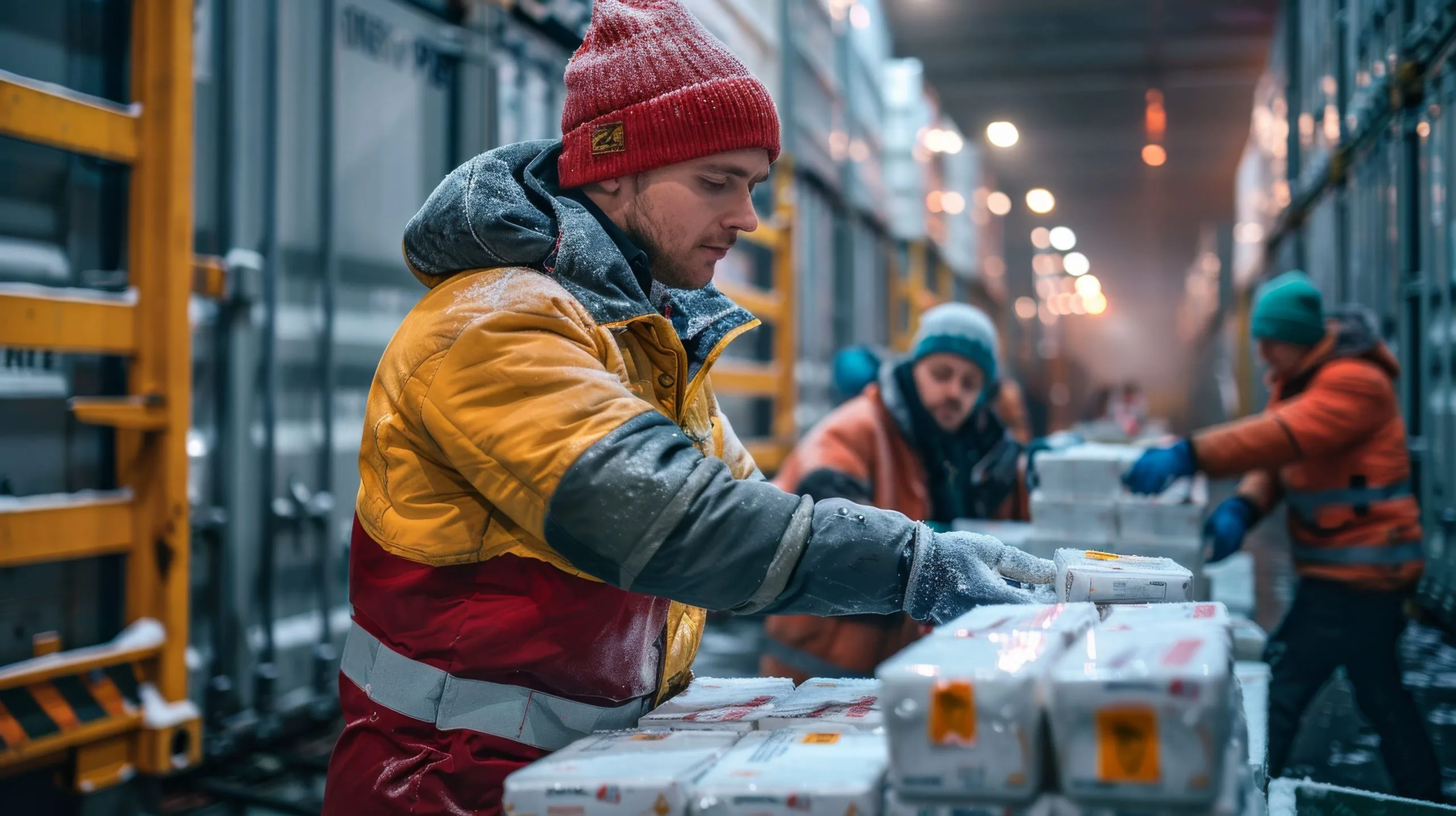
Malaysia’s cold chain logistics space has been quietly evolving, but the pace picked up noticeably over the last few years. Trade volumes across food and healthcare segments have grown, and that has exposed both strengths and gaps in the country’s temperature-controlled infrastructure. By 2025, Malaysia had already established itself as a key transit and processing point within Southeast Asia, yet cold chain capabilities still vary widely between urban hubs and smaller regions. In practice, large exporters and multinational firms operate with fairly advanced systems, while smaller distributors often rely on inconsistent storage and transport conditions. This unevenness is exactly what is now pushing investment. As demand rises for frozen food, specialty ingredients, and temperature-sensitive medicines, logistics providers are under pressure to deliver reliability, not just capacity.
What’s Driving the Cold Chain Logistics Market in Malaysia?
Rising Demand for Export-Grade Food Products
Malaysia’s halal food industry plays a central role here. Exporters shipping poultry, seafood, and ready-to-eat meals cannot afford lapses in temperature control, especially when targeting markets like the Middle East or China where compliance standards are strict. Even a minor deviation during transit can lead to rejected shipments. That risk alone has encouraged producers to partner with more sophisticated logistics firms or invest in dedicated cold storage. Domestic consumption tells a similar story, though for different reasons. Urban households are buying more frozen and processed food, partly due to lifestyle shifts and partly due to convenience. Supermarkets and online grocery platforms now expect consistent cold storage across their supply networks, something that was not always standard a decade ago.
Pharmaceutical Supply Chain Requirements Becoming More Stringent
Healthcare logistics is no longer just about moving products from point A to B. Vaccines, insulin, and biologics require tightly controlled environments, often within very narrow temperature bands. A common challenge is maintaining that consistency across multiple handoffs, especially in last-mile delivery. Pharmaceutical companies are becoming less tolerant of weak links in the chain. Many now audit logistics partners and demand real-time tracking data. This has led to increased adoption of temperature sensors, monitoring software, and specialized storage facilities. The barrier to entry has effectively gone up, favoring operators who can meet these technical requirements.
E-commerce and Changing Urban Consumption Patterns
Online grocery and food delivery have added a new layer of complexity. Delivering ice cream or fresh seafood within a city sounds straightforward but scaling that across thousands of daily orders is not trivial. Companies have had to rethink last-mile logistics, investing in insulated delivery vehicles and smaller distribution hubs closer to consumers. On the ground, this has led to the rise of micro-warehousing in dense urban areas. These facilities may not be large, but they are strategically located to reduce delivery times. It is a shift from the traditional model of relying solely on large, centralized warehouses.
Government-Led Initiatives Supporting Cold Chain Development
Government involvement has been steady rather than dramatic. Policies under the National Transport Policy and Industry4WRD framework have focused on improving connectivity and encouraging modernization. Port upgrades, for example, have reduced bottlenecks for perishable exports. There is also indirect support through incentives for food processing and halal certification. These sectors naturally depend on reliable cold chain infrastructure, so any growth there spills over into logistics. Public-private partnerships are slowly gaining traction, particularly in developing storage facilities outside major cities, though progress can feel uneven.
Market Competition and Key Players
Competition in this market is not dominated by a single group. Companies such as Tiong Nam Logistics, TASCO Berhad, Cold Chain Network, and DB Schenker Malaysia operate alongside smaller regional providers. The difference often comes down to scale and technology adoption. Larger firms are investing in automated warehouses, fleet upgrades, and digital tracking systems. Smaller players, on the other hand, compete on flexibility and local relationships. This mix creates an interesting dynamic where consolidation seems likely, but has not fully played out yet. Partnerships between logistics providers and food or pharmaceutical companies are becoming more common, especially for long-term contracts.
Infrastructure Gaps and Operational Challenges
One persistent issue is the uneven distribution of infrastructure. While Kuala Lumpur and a few other urban centers have relatively advanced facilities, secondary regions often lack modern cold storage. This creates inefficiencies, particularly for producers located outside major hubs. Energy costs add another layer of difficulty. Refrigeration is expensive, and fluctuations in energy prices can quickly impact margins. Skilled labor is another constraint. Operating temperature-controlled systems requires training and precision, and there is still a shortage of experienced personnel in some areas.
Future Outlook
Looking ahead, the market will likely become more structured and technology-driven. Tools such as IoT-based monitoring and automated storage systems are already being adopted, though not uniformly. Over time, these technologies will become standard rather than optional. Malaysia has the fundamentals to strengthen its role in regional cold chain trade, especially in halal food and pharmaceuticals. The real question is how quickly infrastructure gaps can be addressed outside major cities. If that happens, the country could handle larger volumes with greater consistency. There is also a growing push toward energy-efficient refrigeration and greener logistics practices. While sustainability often sounds like a buzzword, in this case it ties directly to cost savings, so adoption feels more practical than symbolic.
Consultants at Nexdigm, in their latest publication “Malaysia Cold Chain Logistics Market Outlook to 2035,” analyzed the market by Service Type (Cold Storage, Refrigerated Transportation, Value-Added Services), By End User (Food & Beverages, Pharmaceuticals, Chemicals), and By Temperature Range (Chilled, Frozen, Ambient Controlled). Nexdigm notes that companies focusing on reliable temperature monitoring, expanding beyond urban strongholds, and offering integrated logistics solutions will likely find the most opportunities as the market matures.
To take the next step, simply visit our Request a Consultation page and share your requirements with us.
Harsh Mittal
+91-8422857704