
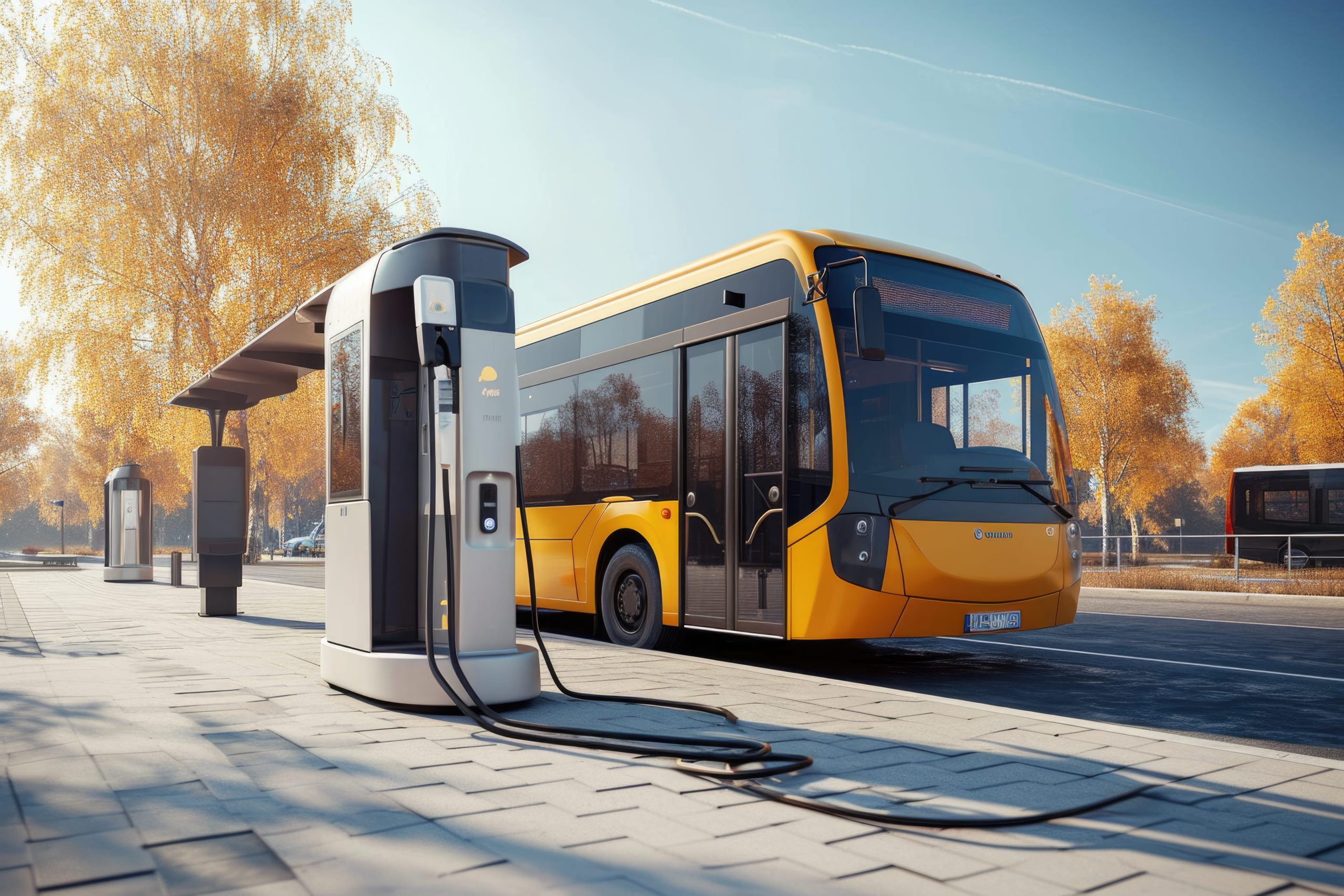
Malaysia’s public transport system is entering a gradual but meaningful shift toward electrification. The transition is not happening overnight, nor is it uniform across the country, but the direction is clear. Electric buses are beginning to find their place in urban fleets, particularly in Kuala Lumpur and surrounding regions where congestion and air quality concerns are more visible. As of 2026, diesel buses still dominate the roads. Yet, conversations around fleet replacement now almost always include electric options. What is interesting is that adoption is not being pushed purely by environmental targets. Cost of operations, maintenance predictability, and public perception are quietly influencing decision-making. The market remains early-stage, but it no longer feels experimental.
What’s Driving the Electric Bus Market in Malaysia?
Urban Transport Pressures and Emission Concerns
City transport authorities are under growing pressure to clean up public mobility. Diesel buses, while reliable, contribute significantly to urban pollution, especially on high-frequency routes. In dense corridors like Klang Valley, even a small percentage shift to electric buses can noticeably reduce emissions and noise levels. In practice, electric buses also offer a smoother passenger experience. Less vibration, quieter rides, and better acceleration make them more appealing for daily commuters. This matters more than it seems. Public transport adoption often depends on comfort as much as availability.
Local Assembly and Industry Participation
Malaysia has an advantage that often goes under the radar. Local players such as Gemilang Coachwork have already built capabilities in bus body manufacturing and assembly. Instead of relying entirely on imports, operators can source partially localized solutions. This has two implications. First, it helps control costs, especially when exchange rates fluctuate. Second, it builds familiarity within the domestic workforce. Maintenance teams, engineers, and operators gradually develop hands-on experience with electric platforms, which reduces long-term dependency on foreign technical support.
Pilot Projects and Gradual Scaling
Rather than rushing into large-scale procurement, Malaysia has taken a more measured route. Pilot programs such as the BRT Sunway electric bus system have provided valuable insights. These projects test real-world conditions heat, humidity, traffic variability which often behave very differently from controlled trials. A common takeaway from these pilots is that route planning matters more than the vehicle itself. Electric buses perform best on predictable routes with structured schedules. This has shaped how operators think about deployment, focusing first on routes where operational risks are lower.
Government-Led Initiatives Supporting Electrification
Public sector involvement remains central to this transition. The National Energy Transition Roadmap has set the tone, but on the ground, progress depends heavily on government-linked operators and city authorities. Procurement decisions, funding allocations, and infrastructure planning are still largely centralized. This creates both clarity and bottlenecks. On one hand, large-scale decisions can move faster once approved. On the other, delays in approvals or budget cycles can slow adoption. There is also a noticeable shift toward integrating transport planning with energy considerations. Charging infrastructure, grid capacity, and depot upgrades are no longer afterthoughts. They are becoming part of the initial planning phase, which was not always the case in earlier trials.
Market Competition and Industry Landscape
The competitive landscape is relatively concentrated, though not static. Global manufacturers such as BYD and Volvo have established a presence, often partnering with local assemblers. These collaborations tend to work well because they combine proven technology with local execution. Public transport operators, particularly Rapid Bus, play a decisive role in shaping demand. Their procurement preferences influence which suppliers gain traction. At the same time, smaller private operators remain cautious. High upfront costs and operational uncertainty make them hesitant to commit without clear financial incentives. Interestingly, competition is not just about vehicles anymore. Charging solutions, maintenance packages, and lifecycle support are becoming key differentiators. Buyers are looking beyond the bus itself and evaluating the entire operating model.
High Upfront Cost and Infrastructure Gaps
The economics of electric buses still present a hurdle. While operating costs can be lower over time, the initial investment remains significantly higher than diesel alternatives. For many operators, especially smaller ones, this creates hesitation. Infrastructure adds another layer of complexity. Charging stations require space, grid upgrades, and careful planning. In older depots, retrofitting can be both expensive and disruptive. A common challenge is aligning vehicle procurement with infrastructure readiness. When one moves faster than the other, projects stall. There is also the issue of utilization. Electric buses need to run consistently to justify their cost. Idle vehicles quickly erode the financial case, which makes route planning and scheduling critical.
Future Outlook
Looking ahead, the transition will likely unfold in phases rather than through rapid transformation. Urban centers will continue to lead adoption, with smaller cities following once costs become more manageable. By 2035, electric buses could form a meaningful share of new fleet additions, particularly in high-density corridors. Improvements in battery technology, coupled with better financing models, should make adoption more accessible. Leasing and pay-per-use models may become more common, easing the burden of upfront investment. What seems clear is that Malaysia will not rush this transition. The approach leans toward steady, practical progress rather than aggressive targets. That may actually work in its favor, allowing operators to build confidence, refine operations, and avoid costly missteps along the way.
Consultants at Nexdigm, in their latest publication “Malaysia Electric Bus Market Outlook to 2035”, analyzed the market by Bus Length (Below 9m, 9m–12m, Above 12m), By Battery Type (LFP, NMC, Others), By Application (Urban Transit, BRT, Airport Shuttle, Institutional Transport), and By End User (Public Transport Operators, Private Fleet Operators, Government Agencies). Nexdigm suggests that companies focus on localized assembly, practical charging partnerships, and route-specific deployment strategies while aligning closely with public procurement cycles to capture long-term opportunities in this evolving market.
To take the next step, simply visit our Request a Consultation page and share your requirements with us.
Harsh Mittal
+91-8422857704