
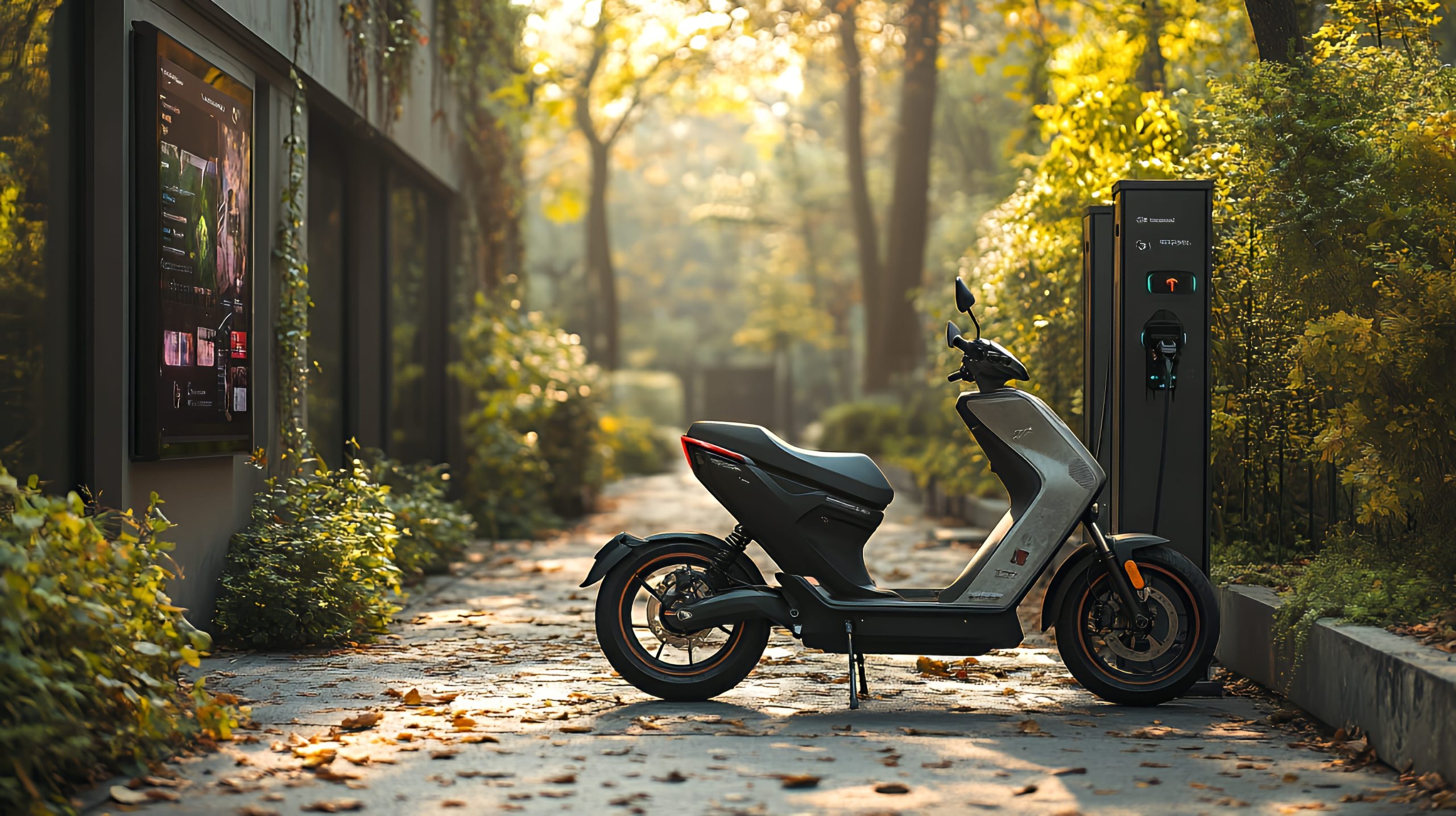
Malaysia’s electric two-wheeler market is no longer just a fringe category discussed in EV circles. It is gradually becoming part of a broader transport conversation, especially in cities where motorcycles already play a central role in daily mobility. In 2026, petrol-powered bikes still dominate the roads by a wide margin, but electric scooters and motorcycles are beginning to find their place among urban commuters, delivery riders, and younger consumers looking for lower running costs. That shift is not happening because consumers suddenly became environmentally idealistic. In most cases, the decision is far more practical. Riders want a machine that is affordable to operate, easy to maneuver in traffic, and dependable enough for everyday use. Electric two-wheelers can meet that need, but only when pricing, charging access, and performance line up with real-world expectations. That is where the market still has work to do.
What’s Driving the Electric Two-Wheeler Market in Malaysia?
Urban Congestion Is Making Small EVs More Relevant
Anyone familiar with commuting in Kuala Lumpur or Penang knows that motorcycles are often the fastest way to move through crowded roads. Electric two-wheelers fit naturally into that urban pattern. They are compact, quiet, and particularly useful for short trips where battery range is less of a concern. This matters because not every rider needs a high-powered machine. A large part of the addressable market simply wants a reliable city vehicle for office commutes, errands, or campus travel. In that context, electric scooters are starting to make more practical sense than they did a few years ago.
Lower Running Costs Are Winning More Attention
Fuel prices remain one of the strongest reasons consumers begin considering electric alternatives. Charging an electric scooter is still far cheaper than refueling a conventional motorcycle several times a week, especially for people who ride daily. Maintenance also tends to be lighter. There is no engine oil, fewer moving parts, and generally less wear associated with internal combustion systems. That cost equation becomes even more relevant for gig workers. For a food delivery rider or courier, transport is not a lifestyle choice – it is a daily business expense. In many cases, the financial argument for electric mobility is stronger than the environmental one.
Delivery and Commercial Use Could Scale Faster Than Personal Adoption
One of the more overlooked trends in Malaysia’s electric two-wheeler market is fleet adoption. Delivery platforms, logistics firms, and courier operators are increasingly exploring electric vehicles for last-mile use. The logic is straightforward: if routes are predictable and charging can be managed centrally, electric scooters can reduce operating costs over time. In practice, this commercial segment may grow faster than personal ownership. Fleet operators tend to evaluate vehicles based on economics and uptime rather than sentiment, and that can work in favor of electric models if the total cost of ownership remains attractive.
Government-Led Initiatives Supporting EV Adoption
Malaysia’s EV policy direction has become more visible in recent years, and that has helped create a better backdrop for electric mobility. Tax incentives, import duty exemptions, and broader low-carbon transport policies have all contributed to market interest. While much of the public discussion has focused on electric cars, two-wheelers are beginning to benefit from the same policy momentum. Still, incentives alone rarely build a mass market. The more meaningful impact comes when public policy lowers the cost of ownership and improves infrastructure. If government support can help make electric two-wheelers genuinely accessible to middle-income riders, adoption will look far more credible over the next decade.
Market Competition and Key Players
Competition in Malaysia’s electric two-wheeler market is starting to take shape, though it remains far from mature. Brands such as Yadea, NIU, and Blueshark have introduced products targeted at city commuters and tech-conscious users. Some local players and distributors are also entering the segment with more affordable options, often aimed at practical riders rather than premium buyers. At this stage, the market does not yet have a clear winner. Some brands are leaning heavily into smart features and app connectivity, while others are trying to solve the more immediate question of affordability. In a market like Malaysia, the second approach may ultimately matter more.
Charging Convenience Still Holds the Market Back
The biggest challenge for Malaysia’s electric two-wheeler market is simple: convenience still favors petrol. A common challenge is that public charging infrastructure remains patchy, and most EV-related investment has been directed toward passenger cars rather than smaller two-wheelers. For many potential buyers, the concern is not whether electric scooters work in theory. It is whether they fit easily into daily life without requiring too much planning. Battery swapping could help, especially for delivery fleets, but it is still not widely available. Until charging becomes more seamless, mainstream adoption will remain slower than the market’s long-term potential suggests.
Future Outlook
Malaysia’s electric two-wheeler market has a realistic path to steady expansion through 2035, particularly in urban commuting and commercial fleet applications. It may not become a mass-market replacement for conventional motorcycles in the near term, but that is not necessarily a weakness. Most transport transitions begin in narrow use cases before spreading more broadly. As battery technology improves and product prices become more competitive, electric two-wheelers should become more viable for everyday riders.
Consultants at Nexdigm, in their latest publication “Malaysia Electric Two-Wheeler Market Outlook to 2035”, analyzed the market by Vehicle Type (Electric Scooters, Electric Motorcycles), By Battery Type (Lithium-ion, Lead-acid), By End User (Personal Use, Commercial/Delivery Fleets), and By Distribution Channel (Dealerships, Online Platforms, Fleet Partnerships). Nexdigm believes businesses should prioritize affordability, service reliability, and commercial partnerships if they want to build a meaningful foothold in Malaysia’s electric two-wheeler market.
To take the next step, simply visit our Request a Consultation page and share your requirements with us.
Harsh Mittal
+91-8422857704