
Malaysia’s electric vehicle market has moved well beyond the “wait and watch” stage. In 2026, the conversation is no longer about whether EVs will become relevant, but how quickly the country can make them practical for everyday buyers. Policy support has helped, of course, but that alone does not build a market. What is changing now is the mix of consumer interest, model availability, charging access, and local manufacturing intent. For years, EV ownership in Malaysia felt limited to a small urban group, mostly higher income buyers in Kuala Lumpur and Selangor. That is beginning to shift. More brands have entered the market, more charging points are visible in shopping malls and highways, and EVs are slowly becoming part of mainstream purchase consideration. The bigger story, though, is that Malaysia is trying to build an EV market that is not entirely dependent on imports forever. That ambition will shape the next decade.
What’s Driving the Electric Vehicle Market in Malaysia?
Growing Consumer Adoption and Wider Model Availability
One of the clearest demand triggers is wider product choice. A few years ago, Malaysian buyers looking at EVs had a fairly narrow set of options, often at premium price points. That created curiosity, but not mass adoption. Today the shelf looks more realistic. Chinese brands have moved quickly, European automakers still hold aspirational value, and local players are now stepping in with more relevant price positioning. Proton’s push into EVs matters for this reason. It makes the category feel less niche and more local.
Expansion of Charging Infrastructure
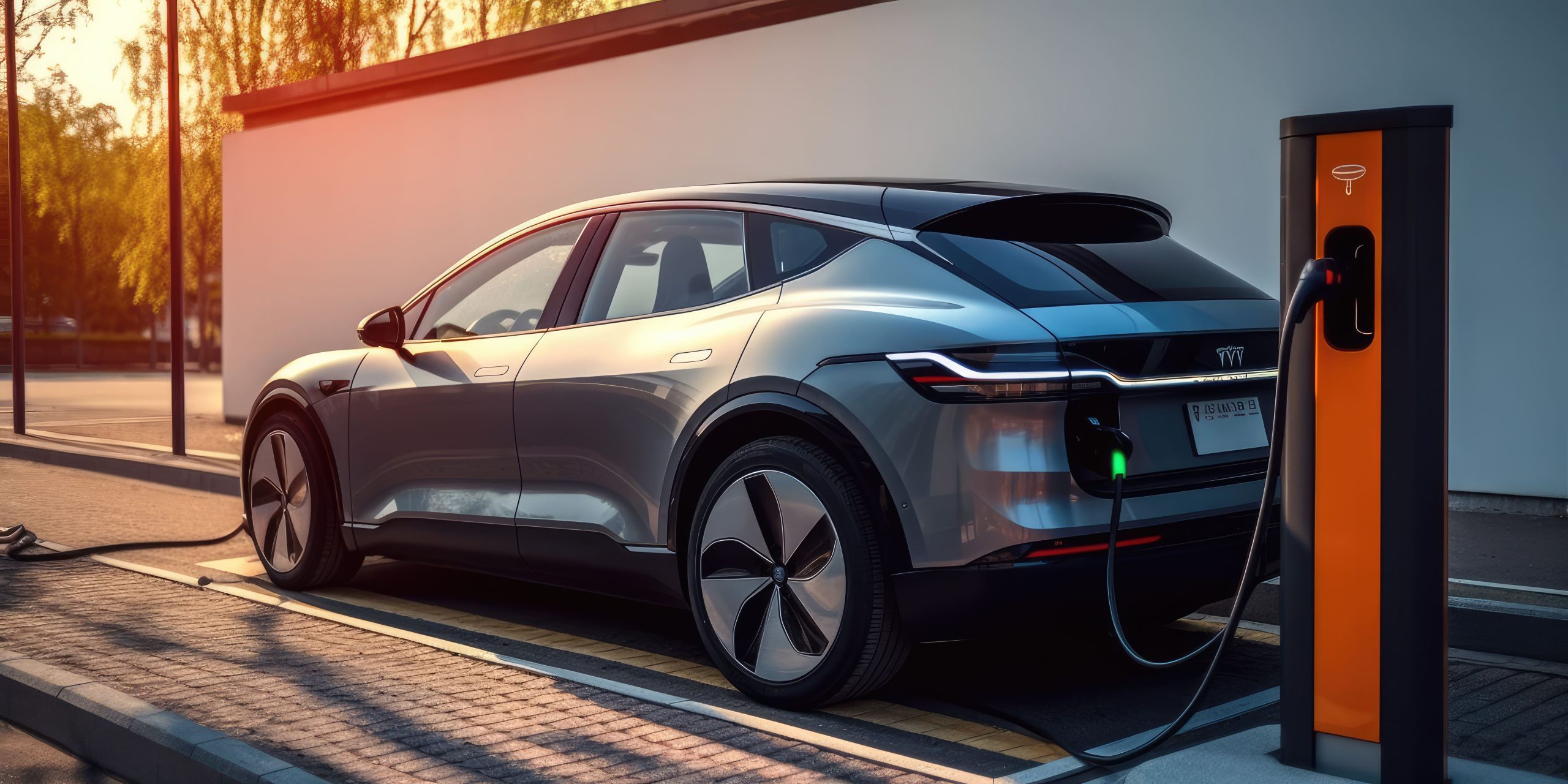
Charging visibility is also doing a lot of the heavy lifting. Consumers do not always need thousands of chargers around them to feel confident. They need enough chargers in the right places. In practice, seeing charging stations at office towers, petrol stations, malls, and highway rest stops changes buyer psychology. It makes EV ownership feel possible. The gap, of course, is that charger distribution is still uneven once you move outside major urban corridors. That is a real friction point and not just a planning issue on paper.
Fuel Cost Efficiency and Sustainability Awareness
Running cost is another reason buyers are paying attention. EVs still come with a higher upfront price in many cases, but people are doing the math more carefully now. Daily commuters and corporate fleets can see the savings over time, especially when fuel prices and maintenance costs are factored in. The catch is simple: long term savings only matter if the buyer can cross the initial affordability barrier.
Government-Led Initiatives Supporting EV Adoption
The Malaysian government has played a meaningful role in getting the market off the ground. Tax exemptions, support for locally assembled EVs, and charging related incentives have all helped reduce hesitation among automakers and investors. These measures have made Malaysia more attractive for EV assembly and supplier participation, particularly within Southeast Asia. That said, incentives can only carry a market so far. If they are not followed by local supplier development, service readiness, and stronger second hand value, momentum can flatten quickly. This is where Malaysia still has work to do. Policy has opened the door. Execution now matters more than announcements.
Market Competition and Industry Landscape
Competition in the Malaysia EV market is becoming far more interesting than it was even two years ago. Tesla and BYD helped generate excitement, while brands such as BMW, Mercedes-Benz, and Volvo shaped the premium end. But premium EVs alone do not create a durable market. The real inflection point will come when affordable, locally familiar brands begin to scale volumes. This is why Proton and eventually Perodua could reshape the category more than some global brands. On the ground, many Malaysian buyers still think in terms of practicality first, badge second. Service access, resale confidence, monthly installment affordability, and battery warranty matter more than marketing language. That tends to reward players who understand local buying behavior.
Affordability and Import Dependency
The biggest obstacle is still affordability. Even with tax incentives, many EVs remain out of reach for middle income households. This is especially true once buyers compare monthly loan commitments against familiar petrol models. A common challenge is that EVs make financial sense over time, but many consumers buy based on what they can afford this month, not over seven years. Import dependence also remains a structural issue. Malaysia may assemble more EVs locally over the coming years, but many high value parts such as battery cells, electronic systems, and drivetrain components still come from abroad. That keeps cost pressure alive and limits how competitive local pricing can become.
Future Outlook
By 2035, Malaysia will likely have a much more established EV market, but the shape of that market will depend on affordability more than enthusiasm. If local assembly expands meaningfully and lower priced models enter the market in volume, EV adoption could move from urban early adopters into the wider middle class. That is when the category really starts to scale. There is also a decent chance Malaysia becomes an important regional assembly base, particularly if it can strengthen component localization and attract battery related investment. Still, this will not be a perfectly smooth transition. The winners will be the companies that solve practical problems, not just sell ambition.
Consultants at Nexdigm, in their latest publication “Malaysia Electric Vehicle Market Outlook to 2035”, analyzed the market by Vehicle Type (Battery Electric Vehicles, Plug-in Hybrid Electric Vehicles, Electric Two-Wheelers, Electric Commercial Vehicles), By Charging Type (AC Charging, DC Fast Charging, Home Charging, Public Charging), and By End User (Private Consumers, Corporate Fleets, Ride-Hailing Operators, Logistics Providers). Nexdigm believes that businesses should focus on affordable local assembly, stronger charging access beyond major cities, and supplier localization to build long term competitiveness in Malaysia’s EV market.
To take the next step, simply visit our Request a Consultation page and share your requirements with us.
Harsh Mittal
+91-8422857704