
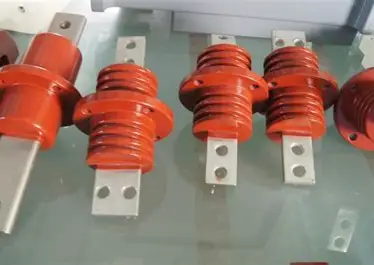
Malaysia’s Electrical Insulators Market is experiencing steady growth, supported by rising electricity demand, transmission network expansion, renewable energy integration, and industrial development. Electrical insulators are essential components in transmission lines, substations, transformers, and distribution networks, ensuring safe and reliable power delivery. With installed power-generation capacity exceeding 42 GW, electricity access reaching nearly 100%, and significant investments in grid modernization, demand for ceramic, glass, and composite insulators is increasing across utility and industrial applications. Growing adoption of solar energy, data centers, and advanced manufacturing facilities is further strengthening the need for high-performance electrical insulation solutions.
Key Market Drivers for Malaysia’s Electrical Insulators Market
Transmission Network Expansion and Grid Modernization Accelerate Demand
Malaysia continues to invest in transmission and distribution infrastructure to support rising electricity consumption and strengthen grid reliability. The national grid serves more than 34 million people and supports a rapidly expanding industrial and commercial sector. Grid modernization projects, substation upgrades, and increasing deployment of high-voltage transmission systems are driving demand for advanced electrical insulators capable of improving power reliability and reducing technical losses.
Renewable Energy Expansion Creates Significant Growth Opportunities
Malaysia is accelerating renewable energy deployment under its energy-transition agenda, targeting 31% renewable energy capacity in the national electricity mix. The country has installed more than 3 GW of solar capacity, with additional large-scale solar projects under development. The integration of solar farms, battery storage systems, and renewable-energy transmission infrastructure is creating strong demand for composite and polymer insulators designed for modern power networks.
Data Centers and Industrial Growth Strengthen Market Development
Malaysia has emerged as one of Southeast Asia’s fastest-growing data center markets, attracting more than USD 30 billion in announced digital infrastructure investments, particularly in Johor and Kuala Lumpur. At the same time, manufacturing contributes approximately 23–24% of GDP, supported by strong activity in semiconductors, electronics, and industrial production. Rising electricity demand from these sectors is driving investments in substations, transformers, switchgear systems, and transmission infrastructure, increasing demand for durable insulation products.
Government Initiatives Supporting Malaysia’s Electrical Insulators Market
The Malaysian government continues to support power-sector modernization through the National Energy Transition Roadmap (NETR) and major infrastructure development programs. Investments exceeding MYR 95 billion across energy, industrial, transportation, and utility sectors are supporting transmission expansion, renewable-energy integration, and grid resilience improvements. Additionally, Malaysia’s commitment to achieving net-zero emissions by 2050 is accelerating deployment of clean-energy infrastructure, creating favorable conditions for demand across the electrical equipment and insulator value chain.
Competitive Landscape of Malaysia’s Electrical Insulators Market
Malaysia’s Electrical Insulators Market is highly competitive, driven by utility investments, industrial expansion, and renewable-energy growth. Competition is increasingly focused on product durability, pollution resistance, mechanical strength, voltage performance, and lifecycle efficiency. Major companies including Hitachi Energy, Siemens Energy, ABB, Schneider Electric, General Electric Grid Solutions, and regional electrical equipment manufacturers continue to support transmission, distribution, and renewable-energy projects. Manufacturers are increasingly promoting advanced composite insulators, lightweight polymer technologies, and smart-grid-compatible solutions to support modern electricity infrastructure requirements.
Major Challenges Facing Malaysia’s Electrical Insulators Market
Tropical Climate and Environmental Conditions
Malaysia’s high humidity, heavy rainfall, and coastal conditions can affect insulation performance and increase maintenance requirements. Utilities and industrial operators are increasingly seeking weather-resistant and contamination-resistant insulation technologies.
Grid Modernization and Capital Investment Requirements
Expanding transmission infrastructure and integrating renewable energy resources require significant long-term investment. Utilities must balance system reliability, modernization costs, and operational efficiency while upgrading aging electrical infrastructure.
Future Outlook
Malaysia’s Electrical Insulators Market is expected to witness strong growth through 2035, supported by installed power-generation capacity exceeding 42 GW, renewable energy targets of 31% of installed capacity, and infrastructure investments surpassing MYR 95 billion. The country’s solar capacity has already exceeded 3 GW, while growing investments of more than USD 30 billion in data centers across Johor and Kuala Lumpur are increasing electricity demand and grid-upgrade requirements. Additionally, expansion of smart-grid projects, battery energy storage systems, high-voltage transmission networks, and industrial electrification initiatives will drive demand for advanced composite and polymer insulators. Rising renewable-energy integration and grid modernization efforts are expected to create significant opportunities for high-performance insulation technologies across utility, commercial, and industrial applications.
Consultants at Nexdigm, in their latest publication “Malaysia Electrical Insulators Market Outlook to 2035” analyse the sector By Material Composition (Disc Suspension Insulators, Post Type Insulators and Pin Type Insulators), By End User Industry (Utility Power Generation and Oil and Gas Refineries) and By Installation Environment (Coastal High Pollution Regions, Inland Urban Environments and Industrial Hub Districts).
Nexdigm suggests that businesses in Malaysia’s Electrical Insulators Industry prioritize advanced composite insulators, smart-grid-compatible technologies, renewable-energy-focused insulation products, and high-voltage transmission solutions to capitalize on the country’s 42 GW+ power capacity, MYR 95 billion+ infrastructure investments, expanding data center ecosystem, and growing demand for reliable electricity infrastructure across utility, industrial, and renewable-energy applications.
To take the next step, simply visit our Request a Consultation page and share your requirements with us.
Harsh Mittal
+91-8422857704