
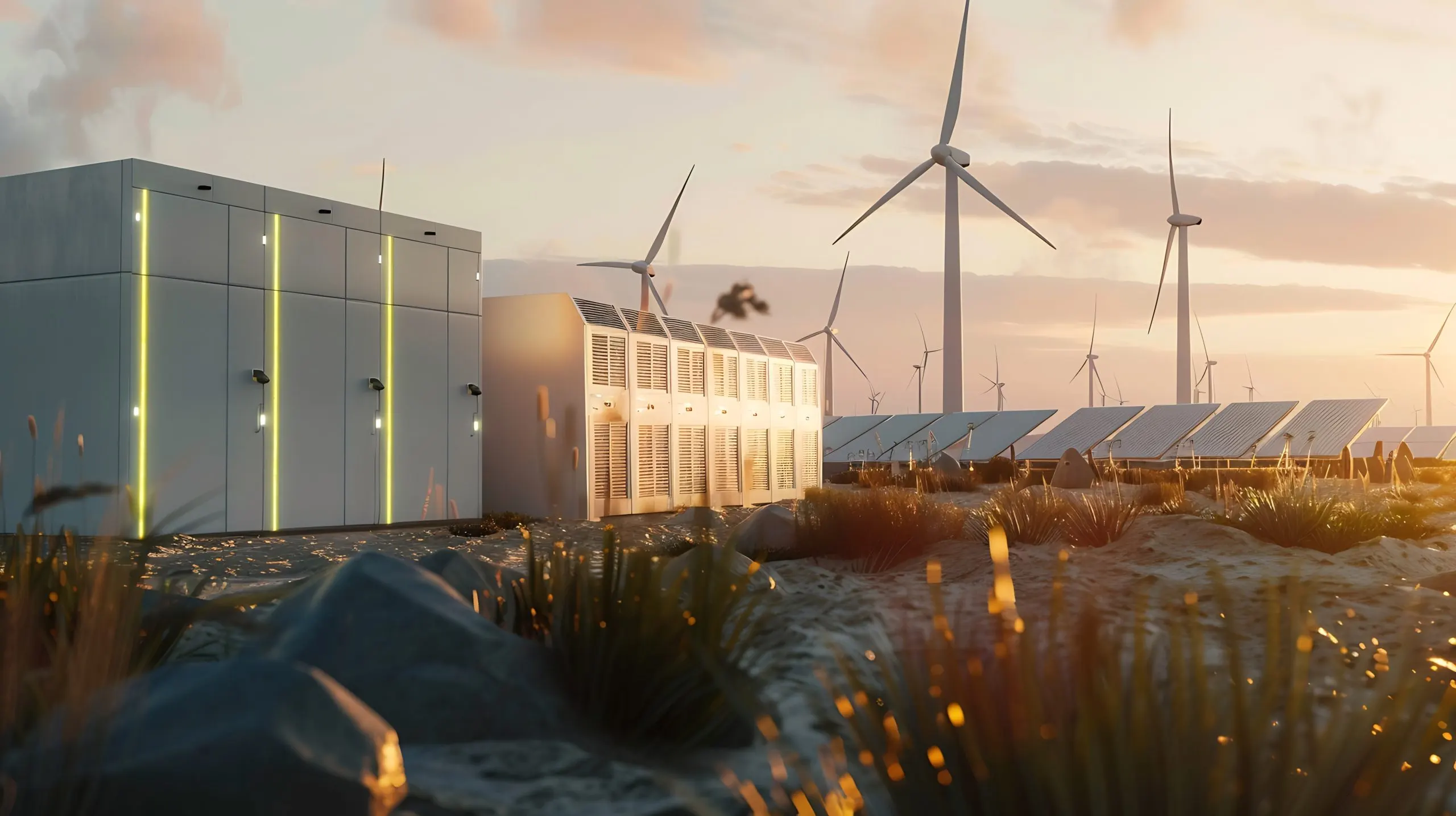
The Malaysia energy storage market is poised for notable expansion through 2035, driven by the nation’s growing renewable energy capacity and grid modernization efforts. Energy storage systems (ESS), especially battery‑based solutions, are increasingly recognized as key enablers for integrating variable renewable energy such as solar and wind. As Malaysia targets a larger share of clean energy in its power mix, effective storage solutions will be critical to maintaining grid reliability, balancing peak demand, and supporting electrification trends across residential, commercial, and industrial sectors.
Key Drivers Fueling the Growth of Malaysia Energy Storage Market
Renewable Integration and Grid Flexibility
Malaysia is targeting a substantial increase in renewable energy’s share of installed capacity — aiming for about 40 % by 2035, up from roughly 23 % currently — under national transition roadmaps. As the country scales solar and other renewables, energy storage becomes essential to absorb excess generation during peak production and supply power during low generation periods. ESS deployment improves grid flexibility, reduces curtailment of renewables, and enables smoother integration of intermittent energy sources into the national grid.
Declining Technology Costs and Adoption
Advances in lithium‑ion battery technology and economies of scale are driving down the cost of energy storage systems, making them increasingly viable for a wide range of applications. Globally, battery storage technology — particularly lithium‑ion — is expected to dominate future deployments owing to high energy density and improving lifecycle economics. Lower costs and enhanced performance are encouraging investment by utilities, industrial users, and end‑consumers, supporting broader market uptake.
Government Policies and Initiatives Supporting Energy Storage Development
Malaysia’s National Energy Transition Roadmap (NETR) and Renewable Energy Roadmap embed energy storage as a strategic component to achieve renewable targets by 2035. Policies such as advanced metering initiatives and net energy metering schemes also support distributed storage adoption across residential and commercial sectors. Continued regulatory backing is intended to enhance grid stability and accelerate deployment of large‑scale storage projects.
Overview of Key Players and Competition in Malaysia Energy Storage Market
The Malaysian energy storage landscape features participation from both international and domestic players. Global manufacturers and technology providers supply advanced battery solutions, while local energy firms increasingly invest in storage deployments to support national energy goals. Collaboration between multinational and local entities is fostering innovation and project execution across utility, commercial, and residential segments.
Key Challenges Hindering the Growth of Malaysia Energy Storage Market
High Capital Costs
Despite cost reductions, upfront investment remains a barrier for many potential adopters, particularly in residential and small commercial installations. Energy storage systems entail significant initial expenditure and maintenance considerations, which can deter investment absent strengthened financing options or incentives.
Policy and Regulatory Barriers
Energy storage integration requires clear and comprehensive regulations. Malaysia’s policy framework continues evolving, but gaps in standardization and grid interconnection protocols can limit the pace of large‑scale energy storage projects. Continued regulatory refinement and supportive market mechanisms will be necessary to overcome systemic barriers.
Future Outlook
Through 2035, Malaysia’s energy storage market is expected to grow steadily alongside renewable energy capacity expansion. Storage will play a central role in enhancing grid reliability, reducing curtailment, and supporting demand flexibility as the nation shifts toward cleaner energy sources. Technological advances, combined with policy support and cost improvements, will expand opportunities across sectors, including grid‑scale storage, distributed residential systems, and electrified transport infrastructure. By anchoring storage within energy transition planning, Malaysia can strengthen its energy resilience and move toward a more sustainable power system.
Consultants at Nexdigm, in their latest publication “Malaysia Energy Storage Market Outlook to 2035,” analyze the sector by System Type (Lithium-ion Batteries, Flow Batteries, Lead-acid Batteries, Sodium-based Batteries), By Platform Type (On-grid Energy Storage Systems, Off-grid Energy Storage Systems, Hybrid Energy Storage Systems), and By Fitment Type (Residential Energy Storage Systems, Commercial Energy Storage Systems, Industrial Energy Storage Systems). Nexdigm suggests that businesses should focus on aligning their strategies with the evolving energy policies and the growing demand for sustainable energy solutions to capitalize on the expanding energy storage market in Malaysia. This includes investing in advanced technologies, fostering collaborations, and adapting to regulatory frameworks that encourage renewable energy integration.
To take the next step, simply visit our Request a Consultation page and share your requirements with us.
Harsh Mittal
+91-8422857704