
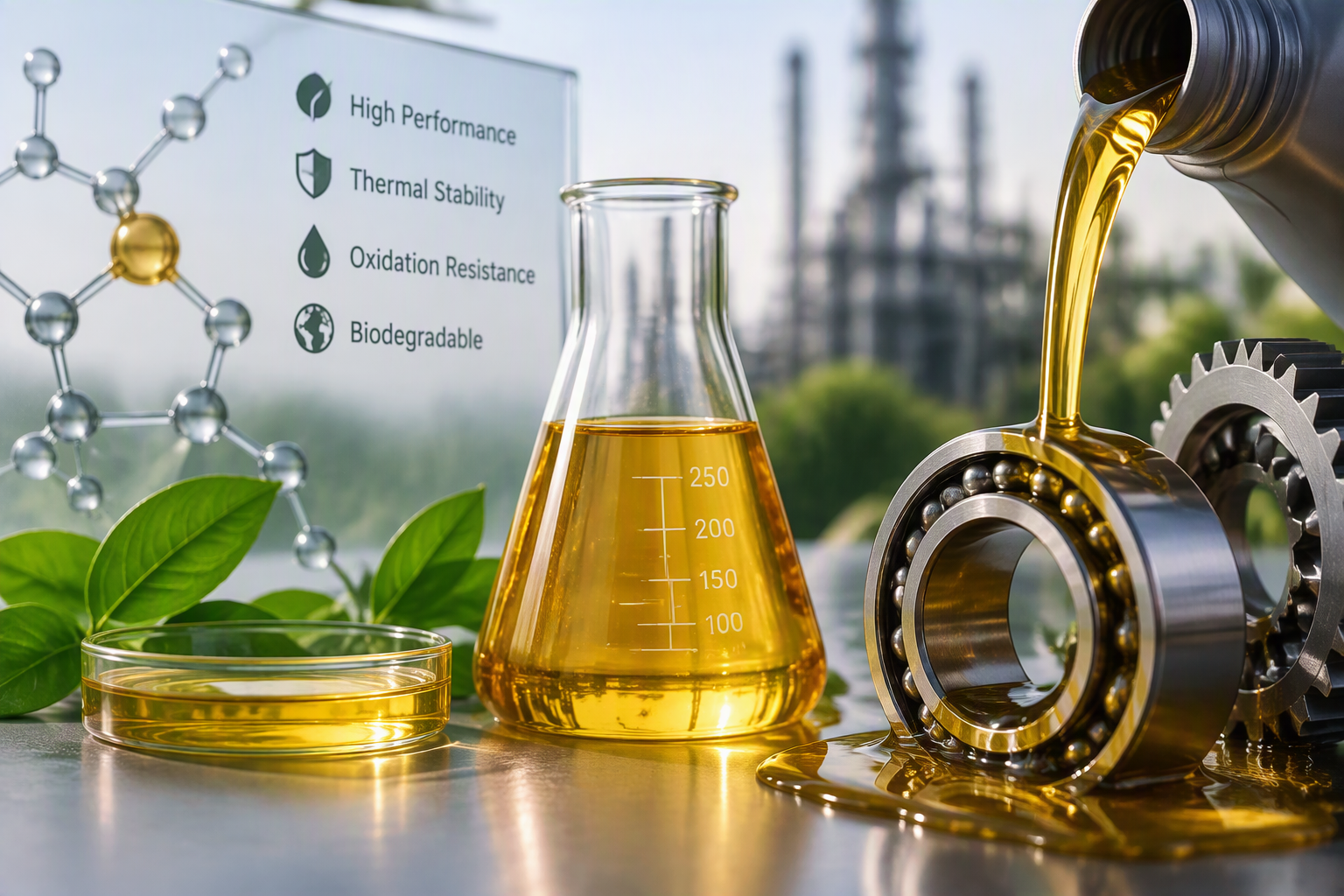
Malaysia’s ester lubricant market is gaining traction as industries increasingly seek high-performance, environmentally friendly lubrication solutions. Ester-based lubricants are widely used in automotive, industrial machinery, aviation, and marine applications due to their superior thermal stability, biodegradability, and oxidation resistance. Malaysia’s expanding manufacturing sector, which contributes over 23% to the nation’s GDP, coupled with growing demand for energy-efficient equipment, is creating favorable conditions for ester lubricant adoption. As sustainability becomes a key business priority, industries are shifting from conventional mineral oils toward synthetic lubricants with enhanced performance characteristics.
Market Drivers Supporting Malaysia Ester Lubricant Industry
Growing Industrial and Manufacturing Activities
Malaysia remains one of Southeast Asia’s leading manufacturing hubs, supported by strong investments in electronics, machinery, chemicals, and automotive production. Industrial equipment operating under demanding conditions requires lubricants capable of delivering extended service life and enhanced protection. Ester lubricants offer superior lubricity and thermal performance, making them increasingly preferred in manufacturing facilities. The country’s industrial sector contributes more than one-fifth of economic output, creating consistent demand for advanced lubrication solutions.
Rising Demand for High-Performance Automotive Lubricants
The automotive industry continues to be a major consumer of synthetic lubricants. Modern vehicles require lubricants that improve fuel efficiency, reduce engine wear, and withstand high operating temperatures. Ester-based lubricants provide enhanced viscosity stability and oxidation resistance, helping automakers and fleet operators improve vehicle performance while lowering maintenance costs. The growth of premium passenger vehicles and commercial transportation is further supporting demand.
Increasing Focus on Sustainability and Environmental Compliance
Businesses across Malaysia are adopting greener operational practices to align with global sustainability goals. Ester lubricants are biodegradable and generate lower environmental impact compared to traditional petroleum-based alternatives. Industries such as marine, power generation, and manufacturing are increasingly utilizing environmentally acceptable lubricants to reduce carbon footprints and improve regulatory compliance. This trend is expected to significantly influence market growth over the coming years.
Government Initiatives Supporting Malaysia Ester Lubricant Sector
The Malaysian government actively promotes sustainable industrial development through initiatives encouraging energy efficiency, environmental protection, and advanced manufacturing technologies. Programs under national industrial and green technology frameworks support investments in cleaner production processes and eco-friendly products. These policies encourage industries to adopt synthetic and biodegradable lubricants that improve operational efficiency while meeting sustainability objectives.
Competitive Landscape of Malaysia Ester Lubricant Industry
The Malaysia ester lubricant market features a mix of multinational lubricant manufacturers and regional suppliers. Major industry participants focus on product innovation, performance enhancement, and sustainable lubricant formulations to strengthen their market position. Companies are expanding distribution networks while collaborating with automotive, industrial, and marine customers. Increasing competition is driving investments in research and development to introduce advanced ester-based lubricant solutions tailored to local industry requirements.
Challenges Affecting Malaysia Ester Lubricant Growth
Higher Product Costs
Ester lubricants generally cost more than conventional mineral oil-based lubricants due to complex manufacturing processes and higher-quality raw materials. This can limit adoption among price-sensitive consumers and smaller industrial operators.
Raw Material Price Volatility
Production relies heavily on chemical feedstocks whose prices fluctuate with global energy and petrochemical markets. Variations in raw material costs can impact profit margins and create pricing challenges for manufacturers.
Future Outlook
The future of Malaysia’s ester lubricant market appears promising, supported by industrial modernization, sustainability initiatives, and rising demand for premium lubricant solutions. Growth in manufacturing, transportation, marine activities, and energy sectors will continue to generate opportunities for ester lubricant suppliers. Technological advancements are expected to improve product performance and cost efficiency, making these lubricants more accessible across industries. As businesses increasingly prioritize equipment reliability, operational efficiency, and environmental responsibility, ester-based lubricants are likely to witness broader adoption and sustained market expansion in Malaysia.
Consultants at Nexdigm, in their latest publication “Malaysia Ester Lubricant Market Outlook to 2035,” analyze the sector By Product Form (Market Definitions and Assumptions, Malaysia Ester Lubricant Market Classification, Ester Base Stock Categorization).
Nexdigm suggests that businesses in the Malaysia Ester Lubricant Industry focus on developing sustainable, high-performance lubricant solutions while strengthening partnerships across automotive and industrial sectors. Investing in product innovation and eco-friendly formulations can help companies capitalize on evolving environmental regulations and growing demand for premium synthetic lubricants.
To take the next step, simply visit our Request a Consultation page and share your requirements with us.
Harsh Mittal
+91-8422857704