
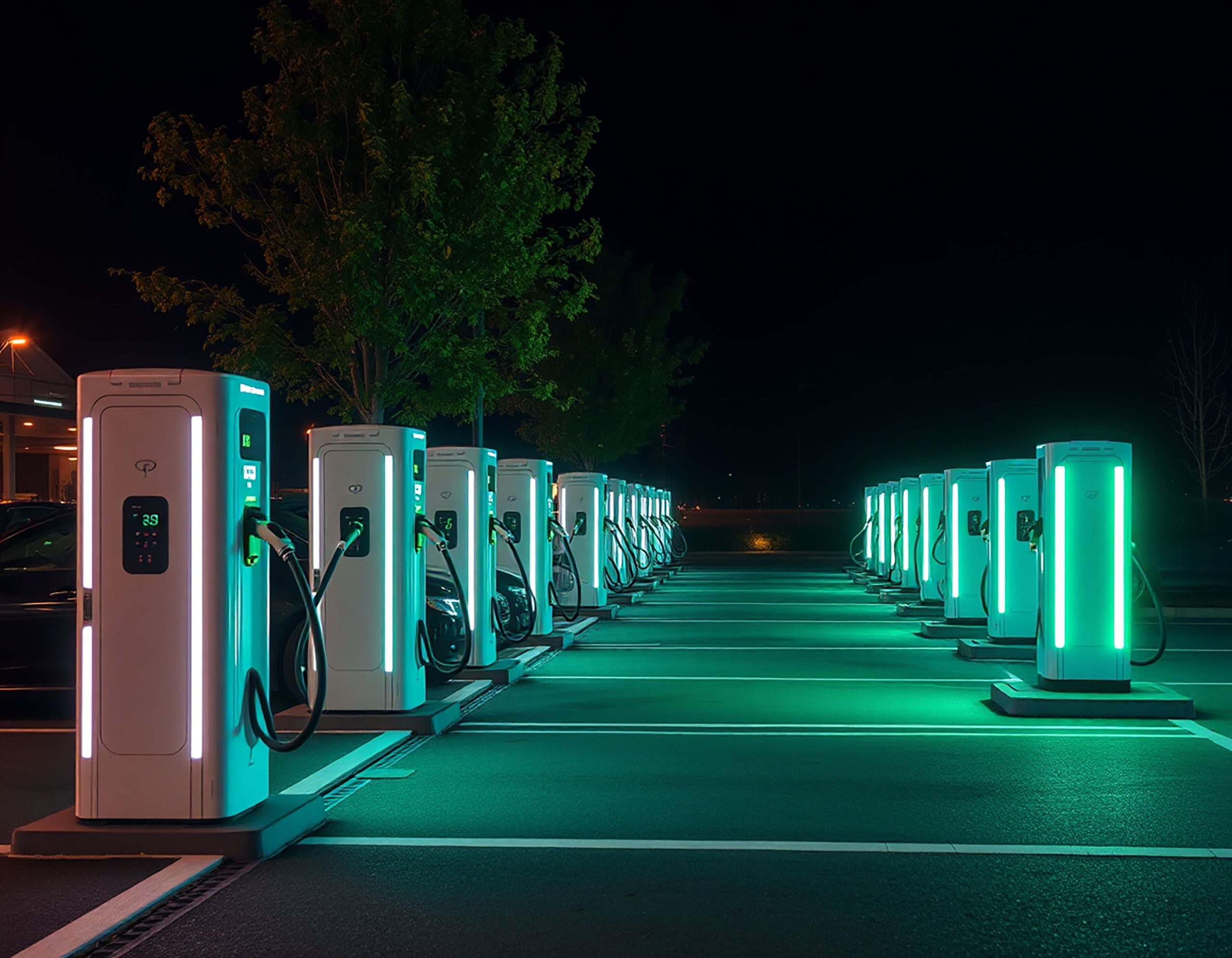
Malaysia’s electric vehicle charging infrastructure market has moved beyond early experimentation and is now entering a more practical buildout phase. The conversation is no longer about whether EV adoption will happen, but how quickly the supporting infrastructure can keep up. As of 2026, the country has made visible progress, particularly in urban centers like Kuala Lumpur and Penang where charging stations are becoming a more familiar sight in malls, office basements, and public parking zones. Still, the network feels uneven once you step outside these pockets. What stands out is the shift in focus toward faster chargers along highways and more accessible options in residential areas. This reflects a simple reality. Owning an EV is only convenient if charging fits into daily routines. Malaysia is trying to solve that balance, though not without friction.
What’s Driving the EV Charging Infrastructure Market in Malaysia?
Rising EV Adoption and Consumer Shift Toward Electrification
Interest in EVs is no longer limited to early adopters or tech enthusiasts. A mix of rising fuel costs and wider model availability has started to pull in more mainstream buyers. In showrooms, consumers are now comparing charging times and range just as closely as they look at price. On the ground, one practical issue keeps coming up. Apartment dwellers often struggle with access to chargers. Landed property owners have it easier since they can install home units, but high rise living dominates urban Malaysia. This gap is quietly pushing demand for shared and public charging options, especially in residential complexes.
Expansion of Highway Fast Charging Corridors
Long distance travel remains one of the biggest psychological barriers for EV buyers. Nobody wants to plan a trip around charger availability. Malaysia has begun addressing this with DC fast chargers along major highways, particularly routes connecting Kuala Lumpur to Johor and the northern regions. In practice, this is where the real test lies. A charger that exists but is out of order does little to build trust. Reliability matters just as much as coverage. Early users often share stories of waiting in line or finding stations offline, which highlights the need for consistent maintenance, not just installation.
Real Estate and Commercial Integration of Charging Stations
Developers and mall operators have started to see EV charging as more than a sustainability checkbox. It has become a way to attract and retain customers. A shopper is more likely to spend time at a mall if their car is charging in the basement. Some premium residential projects now advertise EV readiness as a selling point. Still, this trend leans heavily toward higher income segments. Affordable housing developments have been slower to adopt, which raises questions about how inclusive the transition will be over time.
Government Led Initiatives Supporting Infrastructure Deployment
Government support has played a meaningful role, particularly through tax exemptions and incentives for both EV purchases and charging equipment. The national targets for charging point deployment have created a sense of urgency among private operators. That said, policy on paper and execution on the ground do not always move at the same pace. Permitting delays and grid connection challenges can slow projects. Coordination between local authorities, utilities, and private players often determines how quickly a charging station actually becomes operational.
Market Competition and Ecosystem Development
The competitive landscape is getting crowded. Utility companies, oil and gas firms, startups, and even automotive brands are entering the space. Each group brings a slightly different approach. Some focus on premium fast charging networks, while others aim for wider but slower coverage. There is also a quiet shift toward app based platforms where users can locate chargers, check availability, and make payments. Interoperability remains a sticking point though. Not all networks communicate with each other smoothly, which can frustrate users who expect a seamless experience.
Uneven Charger Distribution and Utilization Concerns
One clear issue is the concentration of chargers in major cities. Smaller towns and semi urban areas remain underserved. This creates a kind of circular problem. Low charger availability discourages EV adoption, and low adoption discourages further investment in those areas. Another concern is utilization. Some stations in less busy locations see limited usage, making it harder for operators to recover costs. Balancing accessibility with financial viability is not straightforward, especially in a market that is still developing.
Charging Rollout vs EV Growth Gap
Malaysia’s EV charging market entered 2026 with stronger momentum, even though infrastructure rollout remains behind headline targets. As of February 2026, the country had installed 5,624 public EV charging units, including 1,923 DC fast chargers and 3,701 AC chargers. Interestingly, fast charger deployment has already exceeded its original target, which suggests operators are prioritizing speed and highway convenience over slower public access points. At the same time, EV registrations reached 44,800 units in 2025, showing that vehicle adoption is moving faster than infrastructure in some areas. That mismatch could become one of the market’s defining pressure points over the next few years.
Future Outlook
Looking ahead, the direction seems clear even if the pace may vary. Malaysia will likely see a denser and more reliable charging network over the next decade, particularly as EV adoption becomes more mainstream. Fast chargers along highways will become standard, while home and destination charging will handle most daily needs. There is also growing interest in linking charging infrastructure with renewable energy sources, though this remains at an early stage. If done well, it could reduce long term costs and improve sustainability outcomes.
Consultants at Nexdigm, in their latest publication “Malaysia EV Charging Infrastructure Market Outlook to 2035”, analyzed the market by Charger Type (AC Chargers, DC Fast Chargers), By Charging Location (Highways, Residential, Commercial, Public Parking, Fleet Depots), and By End User (Passenger Vehicles, Commercial Fleets, Ride-Hailing, Logistics). Nexdigm believes that businesses should prioritize strategic site selection, charger uptime reliability, digital user experience, and partnerships with real estate developers and fleet operators to capture long-term growth opportunities in Malaysia’s evolving EV charging ecosystem.
To take the next step, simply visit our Request a Consultation page and share your requirements with us.
Harsh Mittal
+91-8422857704