
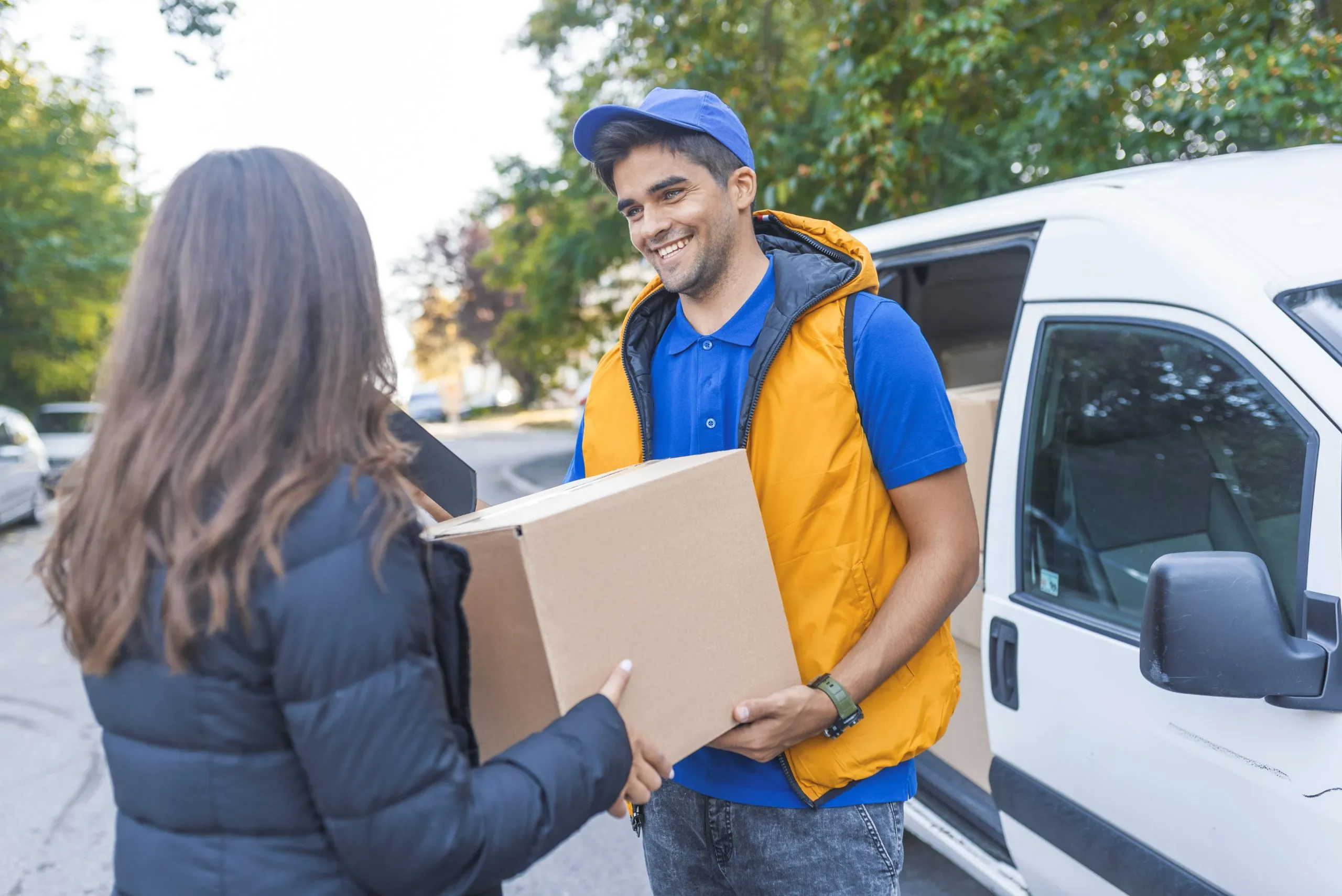
Malaysia’s last-mile delivery space has quietly become one of the most dynamic parts of its digital economy. As of 2026, online shopping is no longer limited to urban millennials; it has spread across age groups and income segments, including suburban and semi-rural consumers. With that shift, delivery has turned into a competitive differentiator rather than a backend function. Companies are no longer judged only on price or product variety but also on how quickly and reliably they can get an order to a customer’s doorstep. The result is a delivery landscape that feels fast-moving, slightly fragmented, and full of experimentation.
What’s Driving the Last-Mile Delivery Market in Malaysia?
E-commerce Expansion Beyond Major Cities
Online retail in Malaysia has moved well past Kuala Lumpur’s core. Smaller cities such as Johor Bahru and Ipoh are contributing meaningfully to parcel volumes. This geographic spread creates both opportunity and complexity. While order volumes are rising, delivery routes are becoming less predictable. Logistics firms now need hybrid networks that balance high-density urban drops with longer suburban routes. In practice, companies that can manage this mix efficiently tend to outperform pure-play urban operators.
Consumer Expectations Around Speed and Flexibility
Delivery timelines have shrunk noticeably. What used to be a three to five day window now feels outdated in major cities. Customers increasingly track parcels in real time and expect flexible options such as evening delivery slots or parcel lockers. A missed delivery attempt often leads to dissatisfaction, not patience. This shift has forced logistics providers to rethink routing, staffing, and even communication with end users. It is no longer just about moving parcels quickly, but also about delivering convenience.
Rise of On-Demand and Food Delivery Platforms
Food delivery and quick commerce have reshaped how last-mile networks operate. Riders who once focused on meals are now handling groceries, pharmacy items, and small parcels. This blending of delivery categories has made networks more agile but also harder to manage. Peak demand periods, especially evenings and weekends, create bottlenecks. On the ground, companies often rely on gig workers to absorb these spikes, which introduces variability in service quality.
Government-Led Initiatives
Public sector support has played a subtle but important role. Programs under Malaysia’s digital economy plans have encouraged small businesses to move online, which indirectly fuels delivery demand. Investments in road infrastructure and urban planning have also helped reduce transit times in certain corridors. At the same time, there is growing attention on digital payments and SME enablement, both of which contribute to higher transaction volumes. While these initiatives do not directly target last-mile delivery, their impact is clearly visible across the logistics chain.
Market Competition
Competition in this space is intense and, at times, uneven. Established players such as Pos Malaysia and GD Express bring scale and infrastructure, while newer entrants like J&T Express and Ninja Van focus on speed and technology. Global firms such as DHL eCommerce add another layer of competition with cross-border capabilities. Interestingly, e-commerce platforms are building their own delivery arms, which changes the competitive dynamics. This vertical integration gives them tighter control over customer experience but also puts pressure on independent logistics providers. Smaller players, meanwhile, survive by focusing on niche routes or specialized services.
Uneven Delivery Efficiency Across Regions
One persistent issue is the gap between urban and rural delivery performance. In Kuala Lumpur, same-day delivery is becoming common. Travel a few hours out, and timelines stretch considerably. Lower drop density means higher cost per delivery, which many companies struggle to absorb. A common challenge is balancing service quality with profitability in these areas. Some firms pass on the cost through higher delivery fees, but that can discourage online purchases. Others absorb the cost, which eats into margins. There is no easy fix, and this imbalance is likely to remain a structural constraint.
Future Outlook
Looking ahead, the market will likely become more disciplined and technology-led. Automation in sorting hubs, better route optimization, and wider use of parcel lockers should improve efficiency. Electric delivery vehicles may also become more visible, particularly in urban centers where sustainability goals are gaining attention. At the same time, consolidation seems inevitable. Not every player can sustain the current level of competition, especially with rising operational costs. Larger firms with strong capital backing are better placed to expand networks and invest in technology. By 2035, delivery in Malaysia may feel less chaotic than it does today. Faster service will become standard in cities, while rural logistics will gradually improve through smarter network design. The real winners will likely be companies that treat last-mile delivery not just as logistics, but as a core part of the customer experience.
Consultants at Nexdigm, in their latest publication “Malaysia Last-Mile Delivery Market Outlook to 2035,” analyzed the market by Delivery Type (Parcel Delivery, Food Delivery, Grocery Delivery), By Service Speed (Same-Day, Next-Day, Standard Delivery), By End User (E-commerce, Retail, Food and Beverage, Healthcare), and By Delivery Mode (Two-Wheelers, Vans, Trucks, Drones). Nexdigm suggests that companies focus on route efficiency, flexible delivery options, and partnerships with online sellers to stay relevant in a market that continues to evolve quickly.
To take the next step, simply visit our Request a Consultation page and share your requirements with us.
Harsh Mittal
+91-8422857704