
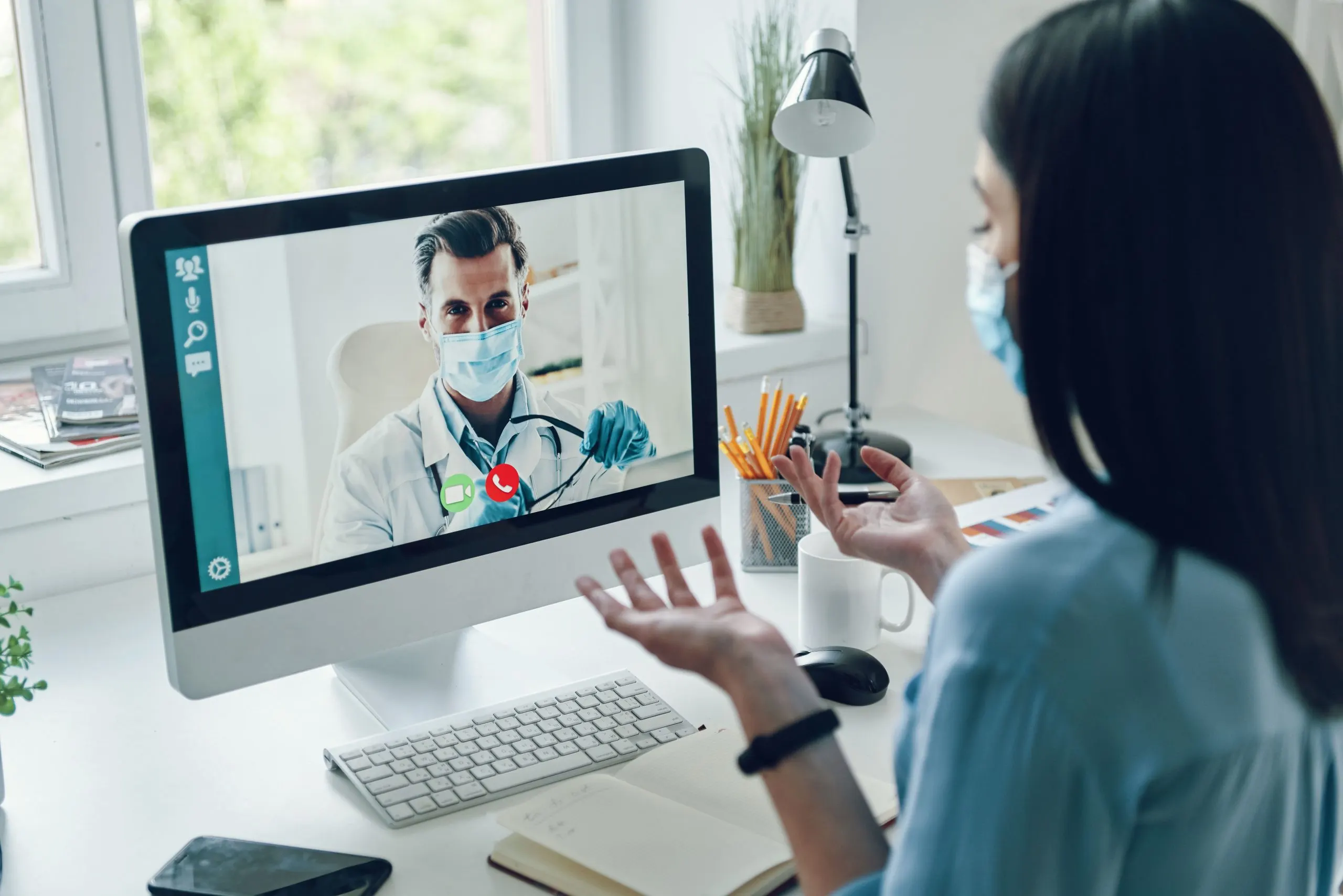
Malaysia’s healthcare landscape has changed noticeably over the last few years. Patients who once viewed online consultations as a backup option now treat them as part of normal care. Busy professionals in Kuala Lumpur, parents managing children’s minor illnesses, and patients seeking prescription refills are increasingly comfortable opening an app before booking a clinic visit. That shift matters. It saves time, reduces pressure on crowded facilities, and makes healthcare easier to access. As of 2026, telemedicine in Malaysia covers far more than video calls. Leading platforms now combine doctor consultations, medicine delivery, lab bookings, mental wellness support, and remote monitoring for chronic conditions. Private hospital groups are also entering the space with hybrid models that blend online triage with physical follow-up care. The market still has hurdles to clear, but the direction is clear enough: virtual care is becoming part of mainstream healthcare rather than a temporary trend.
What’s Driving the Telemedicine Market in Malaysia?
Convenience Has Become a Serious Buying Factor
For many Malaysians, the appeal is practical rather than technological. A 15-minute online consultation can replace hours spent commuting, parking, waiting, and sitting in traffic. In cities such as Kuala Lumpur and Johor Bahru, that convenience has real value. Working adults often use telehealth during lunch breaks, while parents appreciate quick access for mild fevers, skin issues, or repeat prescriptions. There is also a cost angle. Patients may avoid transport expenses, lost work hours, and unnecessary hospital visits. In practice, convenience often converts first-time users into repeat users.
Chronic Disease Care Fits the Digital Model
Malaysia faces a high burden of diabetes, hypertension, and obesity-related illness. These conditions rarely need a hospital bed every month, but they do require regular follow-up. That is where remote care makes sense. A patient can review blood sugar readings, discuss medication side effects, or adjust lifestyle plans without physically visiting a clinic. Doctors benefit too. Routine cases can be handled more efficiently, freeing in-person appointments for complex patients. Telemedicine will not replace physical examinations, but for long-term disease management it can be genuinely useful.
Digital Habits Are Already Well Established
Telemedicine adoption did not happen in isolation. Malaysians are already used to mobile banking, food delivery apps, e-commerce, and digital wallets. Once people trust digital payments and app-based services, healthcare becomes a more natural next step. Stronger mobile coverage has helped, especially in semi-urban areas. While not every region enjoys perfect connectivity, better broadband and smartphone penetration have widened the addressable user base considerably.
Government-Led Initiatives Supporting Digital Health
The Malaysian government has pushed digitalisation across several sectors, and healthcare has benefited from that broader agenda. Public hospitals have gradually expanded electronic records and online appointment systems. Telehealth is also seen as one practical way to improve access in East Malaysia, where distance remains a genuine obstacle. Regulation still matters. Clear rules around licensing, patient data, prescriptions, and platform accountability can build confidence faster than flashy marketing campaigns. In many markets, unclear regulation slows adoption more than lack of demand. Malaysia seems aware of that trade-off.
Market Competition and Platform Landscape
Competition is active and fairly mixed. DoctorOnCall, BookDoc, and Naluri have each carved out different niches, from general consultations to preventive wellness and mental health support. Insurers and hospital groups are also building their own channels rather than leaving patient relationships to third-party apps. That creates a more interesting market than many assume. Winning may depend less on who has the cheapest consultation fee and more on trust, doctor quality, refill speed, and after-care support.
Trust, Regulation, and Rural Gaps
A common challenge is that not every medical issue suits a screen. Patients often prefer physical visits for pain, serious symptoms, or anything requiring tests. Some doctors remain cautious too, particularly where diagnosis depends on examination. Then there is access inequality. Urban users benefit first, while remote communities may still struggle with internet reliability or digital literacy. If telemedicine only works smoothly for affluent city users, its broader promise becomes weaker.
Future Outlook
By 2035, virtual care in Malaysia could become the first stop for many routine health needs. Primary consultations, mental health sessions, medication renewals, and chronic disease check-ins are likely to move online in larger numbers. AI-assisted triage, multilingual chat support, and home diagnostic tools may further improve response times. Physical clinics will still matter. Most likely, the winning model will be hybrid care: digital when convenient, in-person when necessary. That balance tends to reflect how patients actually behave.
Consultants at Nexdigm, in their latest publication “Malaysia Telemedicine Market Outlook to 2035”, analysed the market by Service Type (Teleconsultation, Remote Monitoring, E-Pharmacy, Mental Health Services), By End User (Individuals, Corporates, Hospitals, Insurers), and By Platform Type (Standalone Apps, Hospital Platforms, Integrated Super Apps). Nexdigm believes businesses should focus on trust, strong provider networks, insurer partnerships, and practical user experience rather than chasing downloads alone.
To take the next step, simply visit our Request a Consultation page and share your requirements with us.
Harsh Mittal
+91-8422857704