
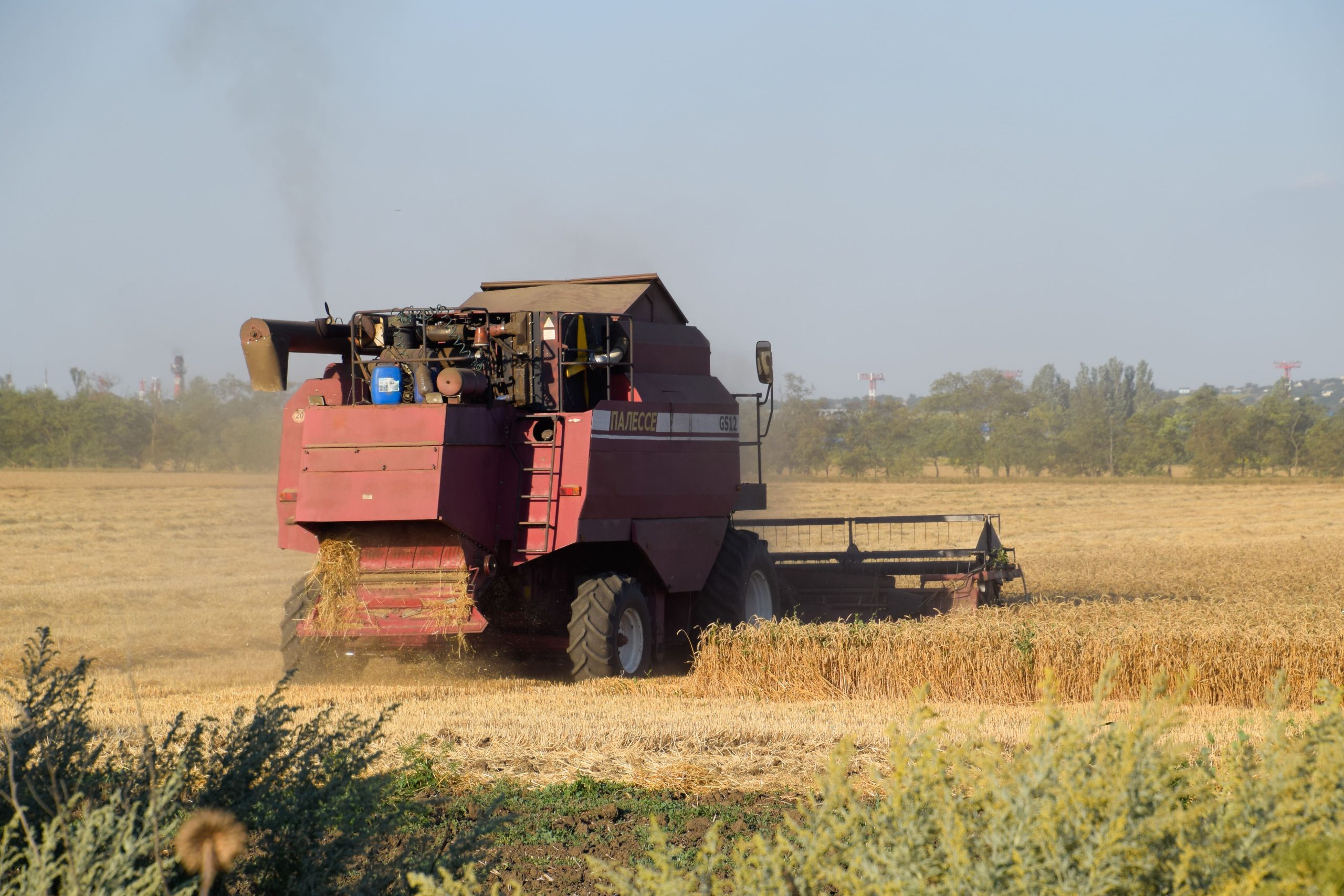
The Malaysia agricultural machinery market is experiencing a steady transformation as mechanization becomes increasingly critical to sustaining productivity amid labor shortages and cost pressures. As of 2026, Malaysia remains heavily reliant on imported agricultural equipment from global OEMs such as Kubota, Yanmar, CLAAS, and John Deere, with a significant share of harvesters entering the country as new units before transitioning into the secondary market after 5–8 years of usage. The used harvester segment is gaining traction among small and mid-sized plantations due to high upfront costs of new machines, currency-driven price volatility, and the expansion of mechanized harvesting in oil palm, rice, and plantation crops. With tightening labor availability and rising operational costs, pre-owned harvesters are increasingly viewed as a cost-effective route to sustain mechanization across Malaysia’s agricultural landscape.
What’s Driving the Used Harvester Market in Malaysia?
Labor Shortages and Rising Mechanization Needs
Malaysia’s plantation sector, particularly oil palm, continues to face persistent labor shortages due to reduced inflow of foreign workers and rising wage levels. This has accelerated the adoption of mechanized harvesting solutions to maintain output levels. While large estates invest in new equipment, smallholders and independent growers are turning to used harvesters as a practical alternative to manage harvesting cycles and reduce reliance on manual labor. The growing acceptance of mechanized solutions for paddy harvesting in states such as Kedah and Perlis is also expanding demand for refurbished combine harvesters.
Cost Sensitivity and Access to Affordable Equipment
New harvesters remain capital-intensive, often beyond the purchasing capacity of small and medium-scale farmers. Used harvesters provide an affordable entry point into mechanization, allowing growers to improve productivity without heavy capital outlay. Financing constraints and limited access to long-tenure agricultural loans further strengthen demand for pre-owned machinery. As dealer-certified refurbishment programs improve machine reliability, buyer confidence in the secondary market is rising.
Import Dependence and Equipment Turnover
Malaysia relies heavily on imported harvesters from Japan, Europe, and China. Large plantations and contract service providers periodically upgrade fleets to improve fuel efficiency and operational performance. This replacement cycle feeds the secondary market with mid-life harvesters, improving availability of used equipment across key agricultural belts. Currency fluctuations and import duties also make new equipment more expensive, indirectly boosting demand for used units.
Government-Led Initiatives Supporting Mechanization
The Malaysian government continues to promote agricultural modernization under national food security and productivity programs. Incentives for farm mechanization, subsidies for paddy farmers, and support for contract mechanization services are encouraging wider adoption of machinery in harvesting operations. While most subsidies are directed toward new equipment, improved access to training, maintenance facilities, and mechanization grants indirectly benefits the used harvester market by reducing operational risk for smallholders adopting pre-owned machines. The push for mechanization in rice self-sufficiency programs is expected to further support demand for used combine harvesters through 2035.
Market Competition and Distribution Landscape
The Malaysia used harvester market remains moderately fragmented. Authorized dealers linked to global OEMs dominate the organized segment through trade-ins and certified refurbishment programs, while independent traders and informal brokers cater to price-sensitive rural buyers. Digital agricultural equipment platforms and social commerce channels are gradually improving price discovery and market reach. Over time, the market is expected to formalize further as warranty-backed refurbished harvesters and structured financing options gain wider acceptance among growers and contractors.
Maintenance Gaps and Reliability Concerns
One of the key challenges in the secondary market is inconsistent refurbishment quality and limited availability of genuine spare parts in remote farming regions. Poor maintenance histories can lead to higher downtime, deterring some farmers from adopting used harvesters. Limited technical expertise at the village level also constrains optimal utilization of complex harvesting equipment.
Future Outlook
The Malaysia used harvester market is expected to witness steady growth through 2035, supported by ongoing mechanization of oil palm and paddy harvesting, labor scarcity, and fleet replacement cycles among large estates and contractors. By 2035, the market is likely to become more structured, with higher adoption of certified refurbishment, improved access to spare parts, and growing penetration of equipment financing and leasing models. While new machinery will remain the preferred choice for large plantations, the used harvester segment will play a critical role in enabling smallholders to mechanize operations sustainably.
Consultants at Nexdigm, in their latest publication “Malaysia Used Harvester Market Outlook to 2035”, analyzed the market by Harvester Type (Combine Harvesters, Oil Palm Harvesting Machinery, Sugarcane Harvesters), By Application (Paddy Fields, Plantations, Contract Farming Services), and By Sales Channel (Authorized Dealers, Independent Traders, Online Platforms, Auctions). Nexdigm believes that businesses should prioritize certified refurbishment, strong after-sales service coverage in rural regions, and flexible financing solutions, while leveraging digital marketplaces to improve equipment reach and transparency in Malaysia’s secondary harvester market.
To take the next step, simply visit our Request a Consultation page and share your requirements with us.
Harsh Mittal
+91-8422857704