
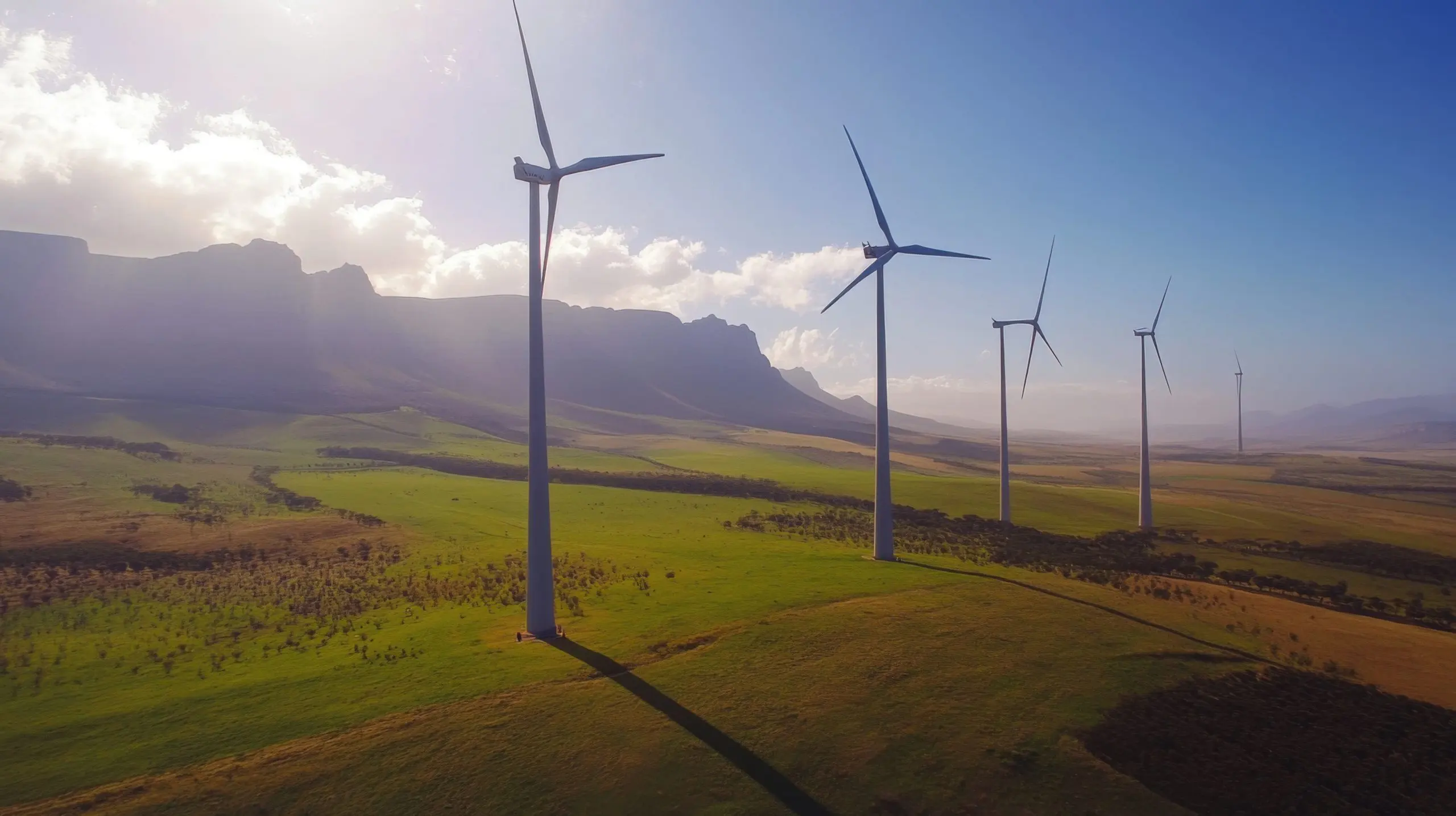
Malaysia’s energy landscape is undergoing a significant shift towards renewable sources as the nation works to diversify its energy mix. While solar and hydropower currently dominate the renewable energy scene, wind energy is gradually being recognized for its potential. With Malaysia’s growing renewable energy goals and the push for sustainability, wind energy has a promising future in the country, especially in coastal and elevated areas. The government’s efforts, coupled with technological advancements, are expected to drive the wind energy market forward in the coming years.
Factors Driving Growth in Malaysia Wind Energy Market
Ambitious Renewable Energy Targets
Malaysia is committed to reducing its carbon footprint and has set ambitious renewable energy targets. The country aims for 31% of its energy to come from renewable sources by 2025, with this share increasing to 40% by 2035. These targets form the backbone of Malaysia’s renewable energy strategy, creating a fertile environment for wind energy to grow. As the country focuses on decarbonization, wind power is expected to be an important contributor to these goals.
Rising Investment and Market Opportunities
Investment in wind energy is steadily increasing, with Malaysia poised to see significant growth in this sector. In fact, reports suggest that Malaysia’s wind energy market could see a robust compound annual growth rate (CAGR) throughout the 2020s. This growth is driven by factors such as technological innovations, declining turbine costs, and an increasing interest in hybrid renewable systems that combine solar, wind, and storage. As demand for clean energy rises, the wind energy market stands to benefit from this trend.
Technological Advancements and Hybrid Systems
Although Malaysia experiences relatively low wind speeds, technological advancements in turbine design are helping overcome these limitations. Innovations in low-wind turbines and hybrid renewable systems, which integrate wind with solar and storage, offer opportunities for more flexible and efficient energy production. These technologies could make wind energy a viable option even in regions where traditional turbines might not perform well.
Government Policies and Initiatives Supporting Wind Energy Growth
Malaysia has shown commitment to supporting renewable energy, including wind, through initiatives such as tax incentives and green energy allowances. The government’s Renewable Energy Roadmap and involvement of agencies like the Sustainable Energy Development Authority (SEDA) help steer the country towards meeting its 2035 renewable energy targets. These measures aim to foster greater investments in wind energy and support its integration into the energy grid.
Key Players and Emerging Trends in Malaysia Wind Energy Market
Although wind energy is still a small player compared to solar power in Malaysia, the competition is beginning to take shape. Global turbine manufacturers and developers are eyeing the ASEAN region, including Malaysia, as a key growth market. Meanwhile, local utilities are gradually incorporating wind into their long-term plans. This growing interest will likely lead to more partnerships, investments, and developments in the wind energy sector.
Key Challenges Hindering Wind Energy Development in Malaysia
Low Wind Speed Limitations
One of the key challenges facing Malaysia’s wind energy market is its low average wind speeds, which make it difficult for traditional turbines to operate efficiently. This means that more advanced turbine technology and specific site selection are crucial for successful projects. The geographical limitations of wind resources require careful planning and investment in more adaptable solutions.
Policy and Incentive Gaps
While Malaysia has set ambitious renewable energy goals, there is still a gap in policies and incentives specifically targeting wind energy. Unlike solar, which benefits from well-established feed-in tariffs, wind energy needs more tailored support. The absence of a clear, comprehensive policy framework for wind energy is slowing down the sector’s development and making it harder to secure financing for projects.
Future Outlook
Looking ahead to 2035, the future of wind energy in Malaysia looks promising but remains niche compared to other renewable sources like solar and hydropower. Advances in technology, particularly low-wind turbines and hybrid systems, are expected to unlock new opportunities for wind energy, especially in coastal regions and elevated areas. With continued government support and strategic planning, wind power is set to play a growing role in Malaysia’s renewable energy landscape, contributing to the country’s sustainability goals.
Consultants at Nexdigm, in their latest publication “Malaysia Wind Energy Market Outlook to 2035,” analyze the sector by System Type (Onshore Wind Energy Systems, Offshore Wind Energy Systems, Hybrid Wind Systems, Small Scale Wind Turbines), By Platform Type (Land-based Wind Platforms, Floating Wind Platforms, Fixed-bottom Offshore Platforms), and By Fitment Type (Standalone Wind Systems, Integrated Wind and Storage Systems, Wind-Solar Hybrid Systems). Nexdigm suggests that businesses should focus on understanding market dynamics, identifying growth drivers, and addressing challenges to develop sustainable strategies in the evolving landscape. This approach helps companies align their operations with current market trends and emerging opportunities.
To take the next step, simply visit our Request a Consultation page and share your requirements with us.
Harsh Mittal
+91-8422857704